Update: Episode 50 of the ongoing Halemaʻumaʻu eruption ends after 7 hours
Update at 6:40 p.m. Saturday, June 27: Episode 50 of the ongoing Halemaʻumaʻu eruption ended abruptly at 5:10 p.m. after 7 hours of continuous lava fountaining.
Tephra that was carried high into the air during fountaining may continue to fall on communities and roads in Ka’u today after the lava fountaining has ended.
Additional details on this eruptive episode will be provided in the next official report.
Original story at 11:40 a.m. Saturday, June 27: Episode 50 of the ongoing episodic summit eruption within Halemaʻumaʻu Crater of Kīlauea volcano on the Big Island is underway.
Lava fountaining began shortly after 10 a.m. June 27. Fountains were about 100 feet high and growing. They are expected to grow to a height above 600 feet within the next 1 to 2 hours.
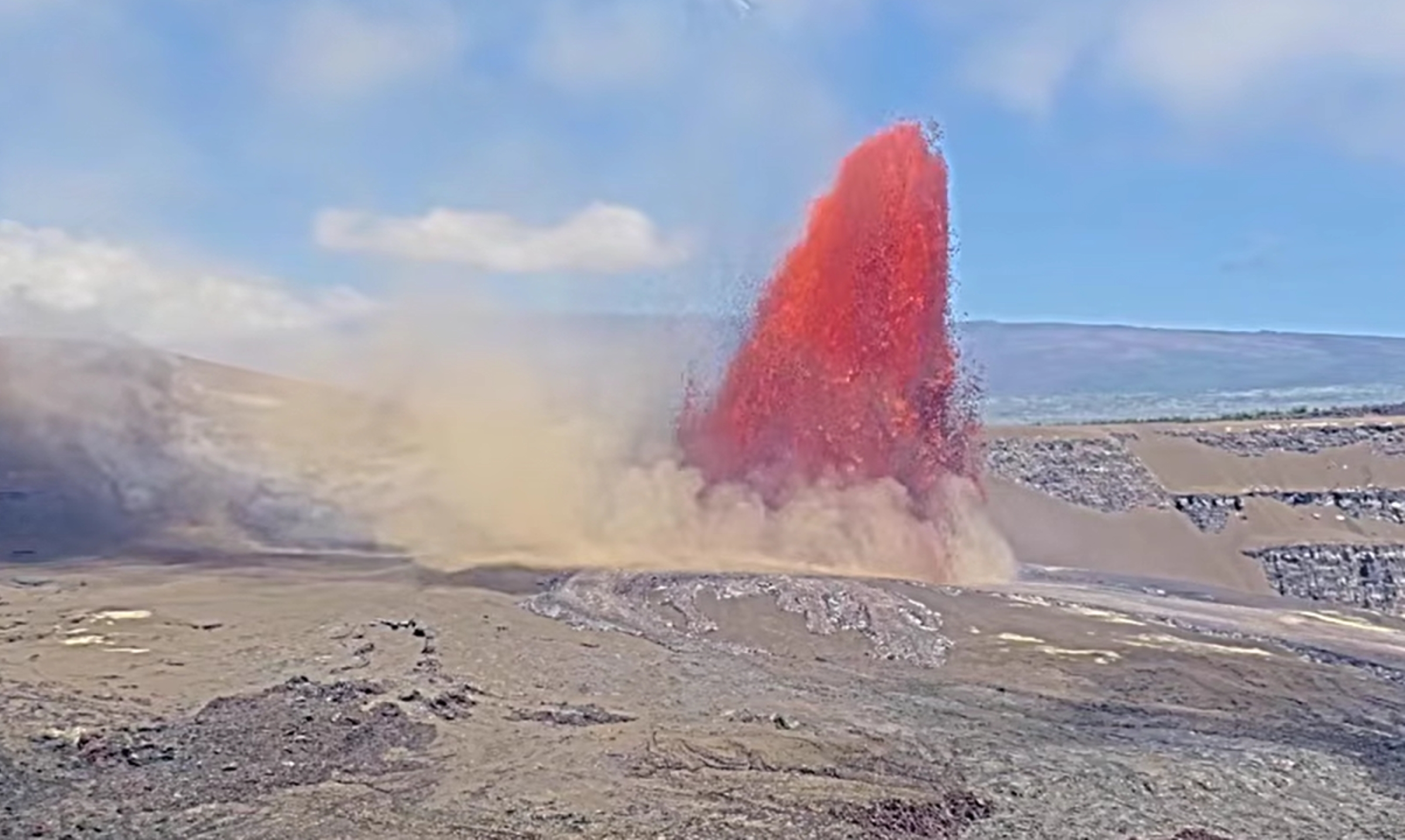
A precursory lava overflow began erupting from the north vent at 9:46 a.m. after 5 minutes of vigorous drain back. Dome fountains gradually increased in vigor and height from about 10 feet to greater than 50 feet before fountaining began as summit tremor increased and tilt decreased.
Ground-level sensors near the eruptive vents indicate surface winds are blowing from the northeast, suggesting volcanic gas emissions and volcanic material could be distributed to the southwest of Halemaʻumaʻu.
However, above the inversion layer — about 8,000 feet above sea level — very light winds from the west are forecast up to 18,000 feet, which might allow the plume to spread.
Winds at higher levels will strengthen out of the west. Higher level winds could push parts of the plume to the east over surrounding communities.
Tephra fall from volcanic ash clouds is greatest within 3 miles of the vents, lighter ash and Pele’s hair could remain suspended for large distances from the vents.
National Weather Service issued a special weather statement regarding potential tephra impacts from Episode 50.
The latest National Weather Service radar imagery showed the highest detectable ashfall/tephra from the lava fountaining at shortly after 11:30 a.m. Saturday rising to about 13,000 feet above ground level.
“Low level trade winds will push ash toward the southwest, and any ash fallout will likely occur over the Kaʻū District and Highway 11, southwest of the town of Volcano,” said an updated special weather statement from Honolulu forecast office. “This includes the communities of Pāhala and Nāʻālehu.”
The public is advised to avoid excessive exposure to ash, which is an eye and respiratory irritant. Those with respiratory sensitivities should take extra precaution to minimize exposure.
“If you live downwind of the Kīlauea summit or plan to visit the summit area be prepared to take precautions if needed, such as disconnecting water catchment systems,” said Hawai’i County Civil Defense in a Saturday morning message. “Follow all guidance from the National Park Service and be aware that road or park closures [may] occur without notice.”
Support science and community awareness by reporting tephra fall online.
Three Kīlauea summit livestream cameras available on YouTube show lava fountains. KPcam and MKcam also provide views of the volcanic plume height.
Additional short updates as the episode progresses will be posted on the Hawaiian Volcano Observatory website.
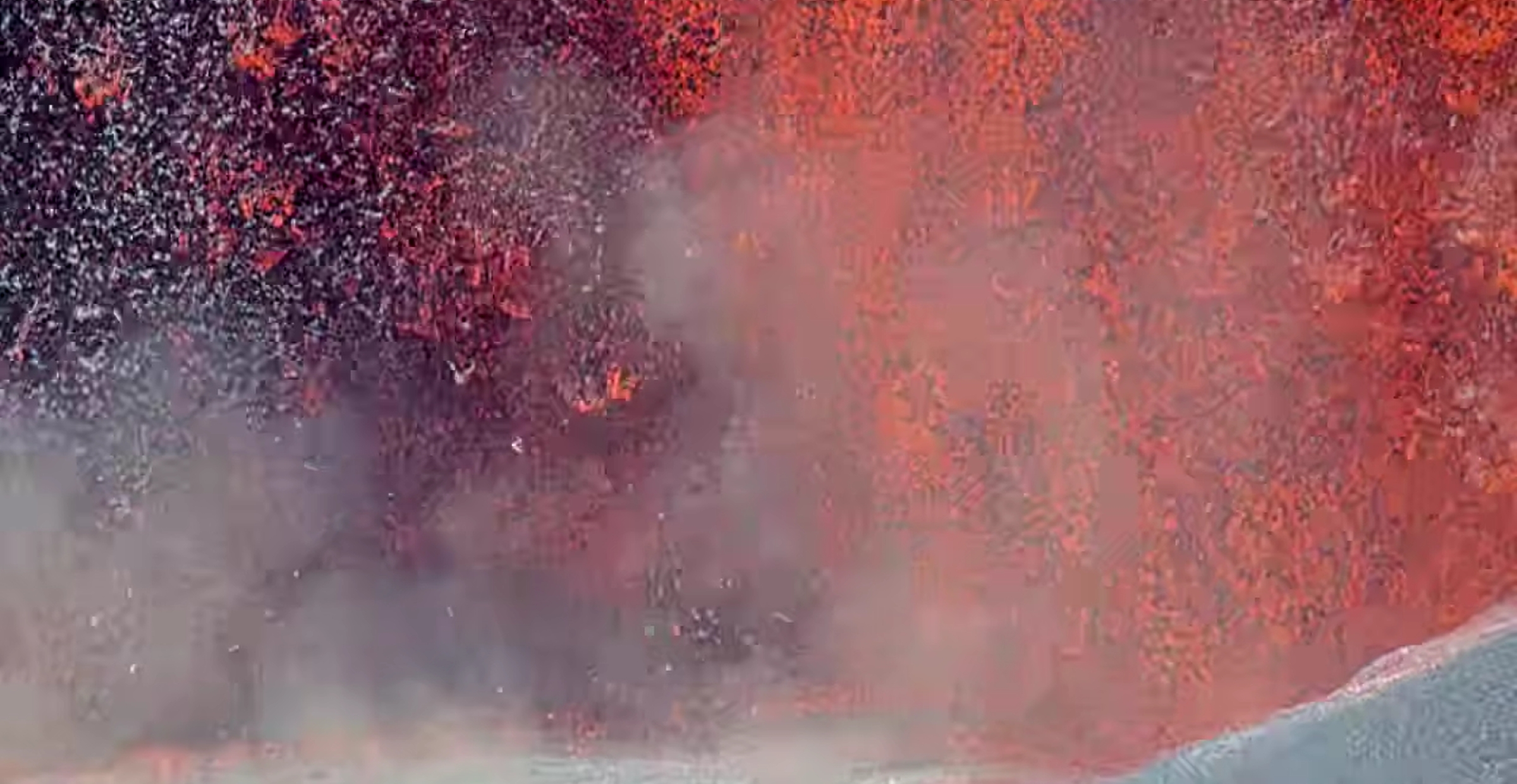
All eruptive vents and lava flows are confined to Halemaʻumaʻu Crater within Hawaiʻi Volcanoes National Park.
The ongoing episodic eruption began Dec. 23, 2024. Most lava fountaining episodes continued for a day or less.
This story was updated at 11:42 a.m. June 27, 2026, with additional special weather statement information from National Weather Service.
Sponsored Content