UH Mānoa Study: Human contaminants reducing Maui coral resilience
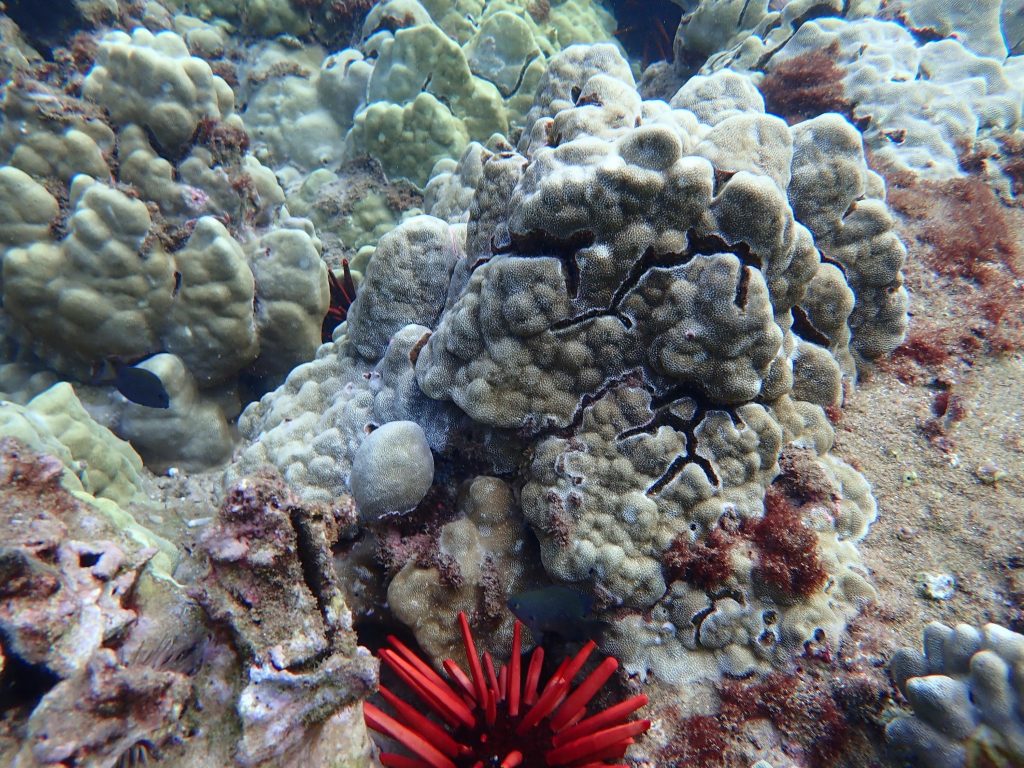
Human activities are fundamentally altering the chemical makeup of local coral reefs, according to a study led by the University of Hawai‘i at Mānoa and published in Nature Communications.
The research team discovered that 25 contaminants from agricultural, industrial and pharmaceutical sources accumulated in the soft tissues of coral around Maui. Additionally, in areas impacted by human activities, the energy and nutrient availability within the coral’s tissue decreases, making them significantly less resilient to environmental stressors such as warmer or acidic waters.
“Our findings suggest that monitoring the pool of chemicals within the coral tissues, called metabolomes, can serve as a powerful tool for tracking the hidden impacts of anthropogenic [human induced] disturbance on marine life,” said Zach Quinlan, lead author and research biologist at the Hawai‘i Institute of Marine Biology (HIMB) in the UH Mānoa School of Ocean and Earth Science and Technology.
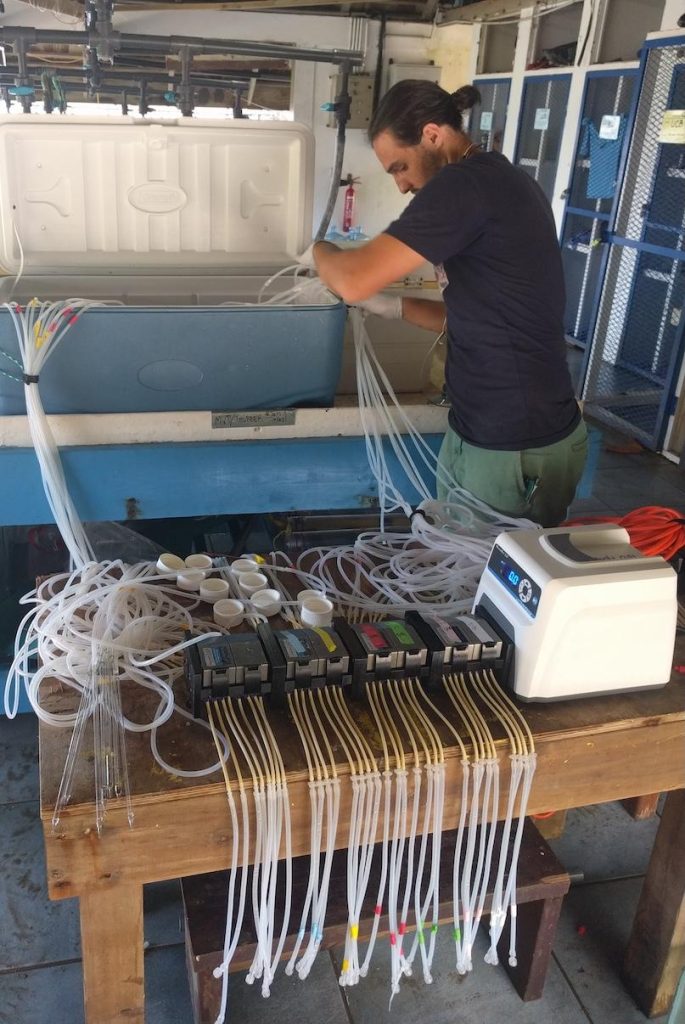
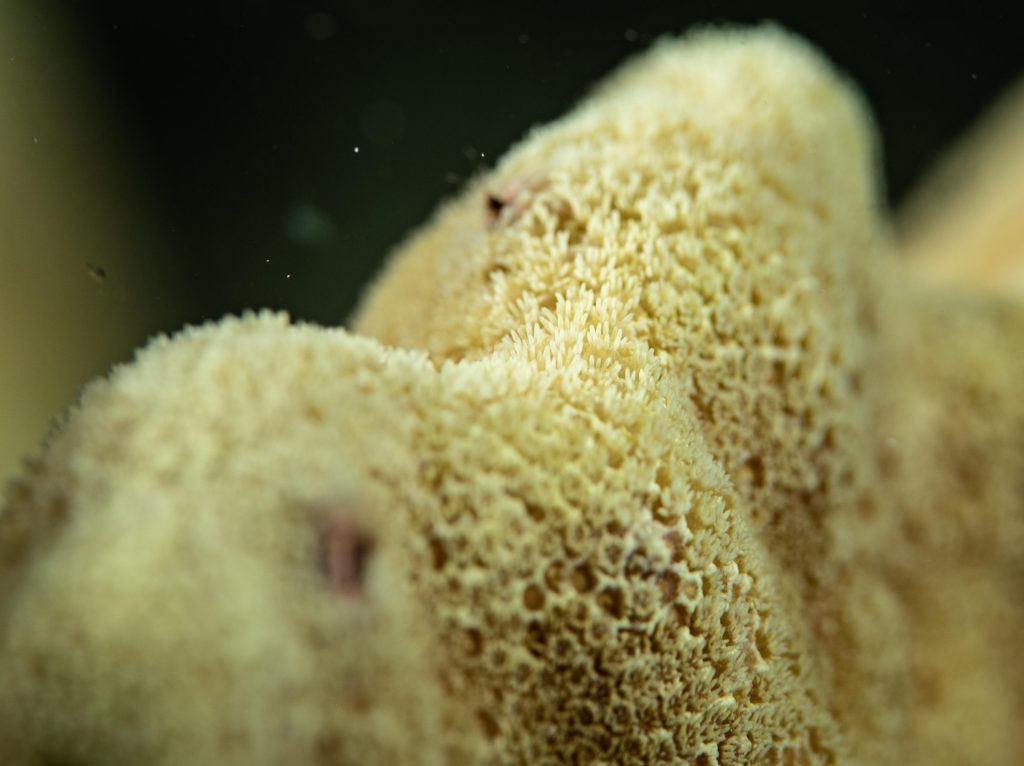
Quinlan and an international team of researchers tested the metabolomes of 380 lobe corals (Porites lobata) and rice corals (Montipora capitata) from 16 sites off west and south Maui. They found that human activities both within the adjacent watershed and in the marine ecosystem altered the composition of the corals’ metabolomes. In areas with more ecosystem disturbance, there was increased accumulation of contaminants and a decrease of nutrient and energy reserves in the coral tissues.
“It was extremely surprising that the metabolomes of both coral species had almost identical trends,” said Quinlan. “These corals have very different life strategies, and we wouldnʻt normally expect them to accumulate contaminants the same or even necessarily respond the same to disturbances.”
Clues from 2016 bleaching event
Using historical trends in coral from five of the sites they sampled, the team found that sites that had the most severe declines in coral cover after the 2016 bleaching event are the sites with the most impacted metabolomes. At more impacted sites, nitrogen and energy reserves were reduced, while stress chemicals were enriched.
The research team proposed two potential mechanisms by which human activities and contamination of marine environments lead to decreased coral resilience: 1) accumulation of anthropogenic molecules such as pharmaceuticals and industrial byproducts, and 2) increased pressure from anthropogenic activities requires coral to utilize portions of their nitrogen and energetic reserves.
Tracing contaminants through the ecosystem
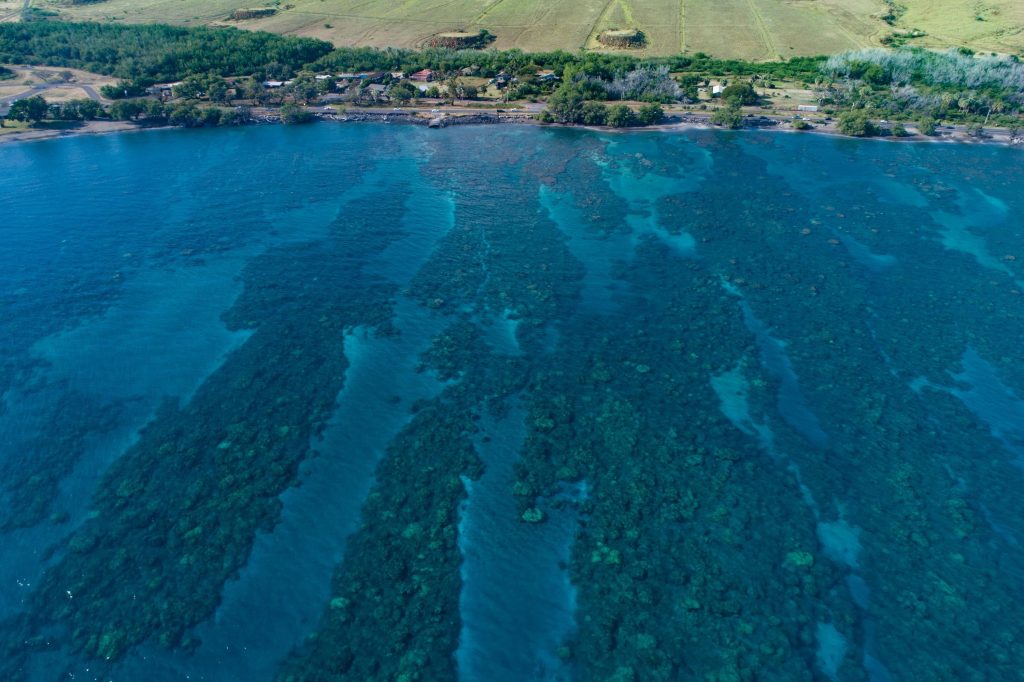
The researchers propose that monitoring the metabolomes of coral or other coastal seafloor species can be used as a powerful tool to track human impacts on natural ecosystems.
“Beyond the implications for coral health and resilience, this study demonstrates how many anthropogenic contaminants are escaping into marine ecosystems,” Megan Donahue, senior author on the paper and HIMB director. “We see increasing evidence that anthropogenic contaminants have broad cumulative impacts that can undermine the resilience of coastal ecosystems.”
Looking ahead, Quinlan and team are searching for ways to enrich coral tissue nitrogen and energy reserves in controlled experiments to determine whether those increases lead to more resilient corals.
Additional co-authors include researchers from Woods Hole Oceanographic Institution, University of Newcastle (Australia), University of New South Wales (Australia), Bio21 Molecular Science and Biotechnology Institute (Australia), The Nature Conservancy, University of California Merced, Princeton University and James Cook University (Australia).
Sponsored Content