Schatz introduces bill to expand US diplomatic footprint in Pacific Island nations
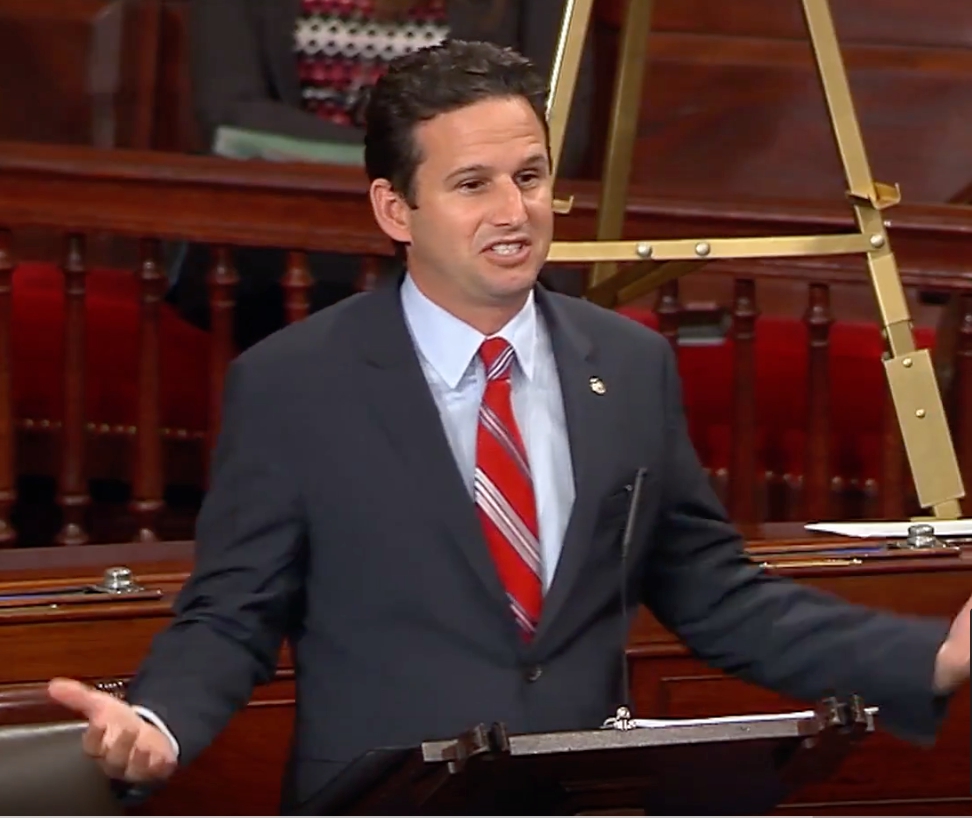
Hawaiʻi US Sen. Brian Schatz, a Democrat, joined Republican Sen. Roger Wicker of Mississippi this week to introduce bipartisan legislation aimed at expanding the United States’ diplomatic footprint across the Pacific Islands, a region Schatz has made a recurring focus of his work in Congress.
The bill, called the Consular Operations and Regional Engagement in the Pacific Act, or CORE Pacific Act, would direct a feasibility study on attaching State Department consular officers to US Coast Guard and Navy missions already operating in the Pacific, according to a news release from Schatz’s office. Hawaiʻi Sen. Mazie Hirono and Illinois Sen. Tammy Duckworth are cosponsoring the measure.
Schatz, who serves as ranking member of the State and Foreign Operations Appropriations Subcommittee, said strengthening ties with Pacific Island nations requires a stronger diplomatic presence to back it up. The bill would help lawmakers determine whether existing US military deployments in the region could be used to expand consular services without building new infrastructure from scratch, he said.
Wicker said the legislation reflects the strategic stakes of maintaining a US presence in the Pacific as the region’s threat environment shifts, and argued it could help State Department officers build relationships with allies while giving deployed service members access to resources far from home.
Under the bill, the feasibility assessment would evaluate current demand for consular services among US and Pacific Island citizens, along with obstacles to accessing them and the potential cost savings for Pacific Island nationals. It would also estimate implementation costs for the State Department, Coast Guard, Indo-Pacific Command and Navy and flag any logistical hurdles to carrying out the plan.
The bill builds on other Pacific-focused initiatives Schatz has pursued, including efforts to raise the US profile at the Pacific Islands Forum, help partner nations guard against threats to critical infrastructure, and address unexploded ordnance left over from past conflicts.
Sponsored Content