

West Maui nonprofit, resort group unveil plan to restore eroding Kāʻanapali Beach
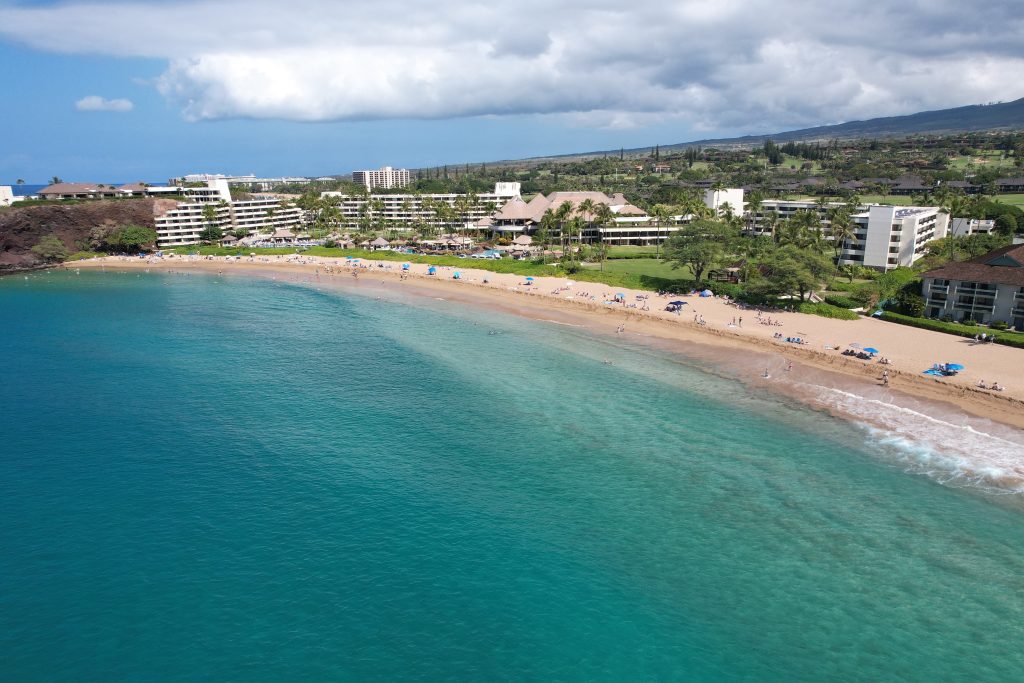
A West Maui nonprofit and the management association for Kāʻanapali Beach Resort have filed a permit application for a project aimed at reversing decades of erosion at Kāʻanapali Beach, one of the island’s most heavily used shorelines.
Pilikahakai Foundation and Kāʻanapali Operations Association Inc. submitted an application for a conservation district use permit from the state Department of Land and Natural Resources, marking the first step in what officials described as a multi-year county, state and federal permitting process. If approved, construction would begin in fall 2027 and take two to three months to complete.
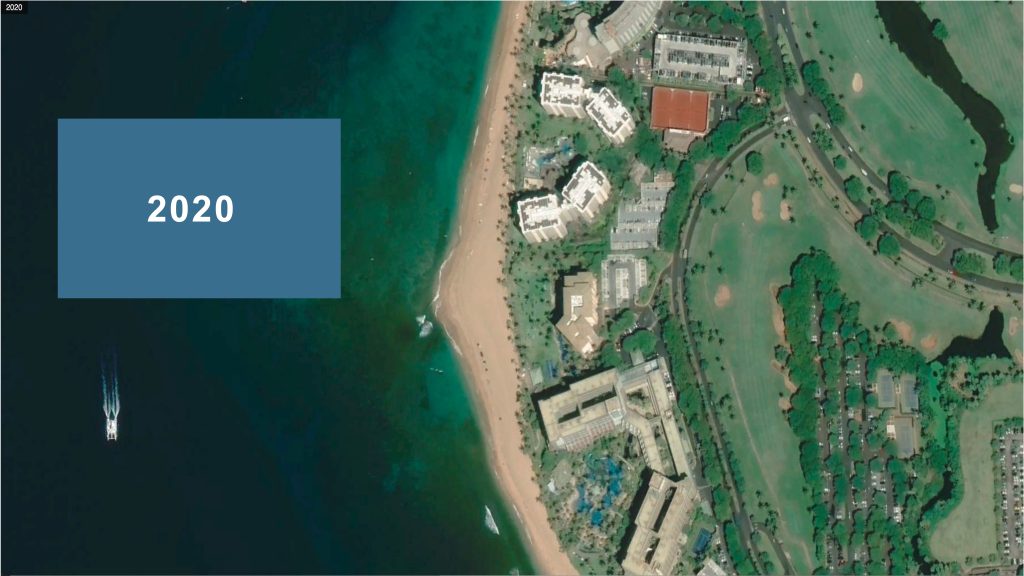
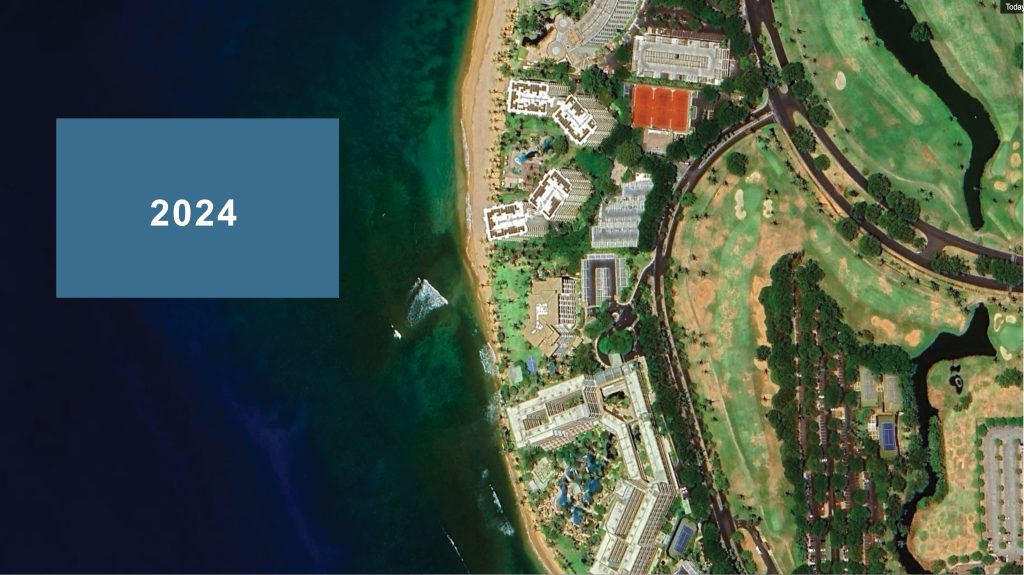
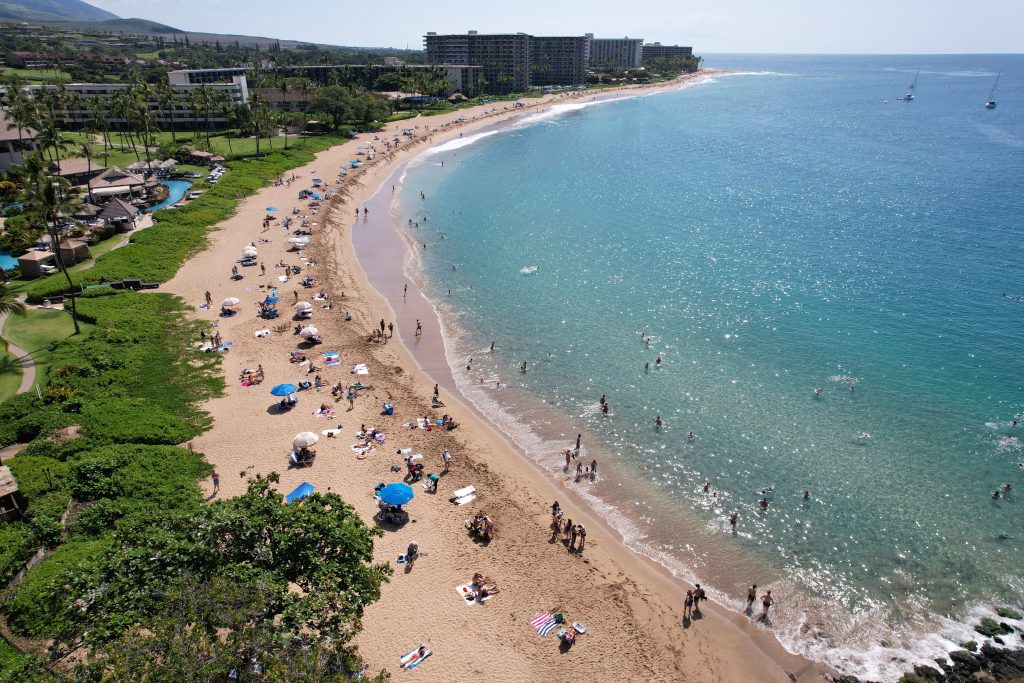
The plan calls for collecting sand that has migrated offshore beyond the reach of natural beach-building processes and returning it to the shoreline to restore the beach to its 1988 width and height, according to the foundation and the resort association.
Erosion at Kāʻanapali has accelerated as sea levels rise, said Chris Conger, vice president of Sea Engineering Inc., the project’s lead scientific consultant. More than 30 years of studies show that as water levels climb, additional wave energy is reaching the shoreline, worsening erosion and disrupting the natural processes that sustain healthy beaches, he said.
“Kāʻanapali Beach is vanishing, and without action, we risk losing something irreplaceable. Not just a beach, but a gathering place that generations of families, paddlers, and cultural practitioners have relied on. This project is a science-backed, nature-based solution to help the shoreline heal and adapt so it can be enjoyed by future generations.”
Keolahou Hinau, executive director of Pilikahakai Foundation
Two sections, different approaches
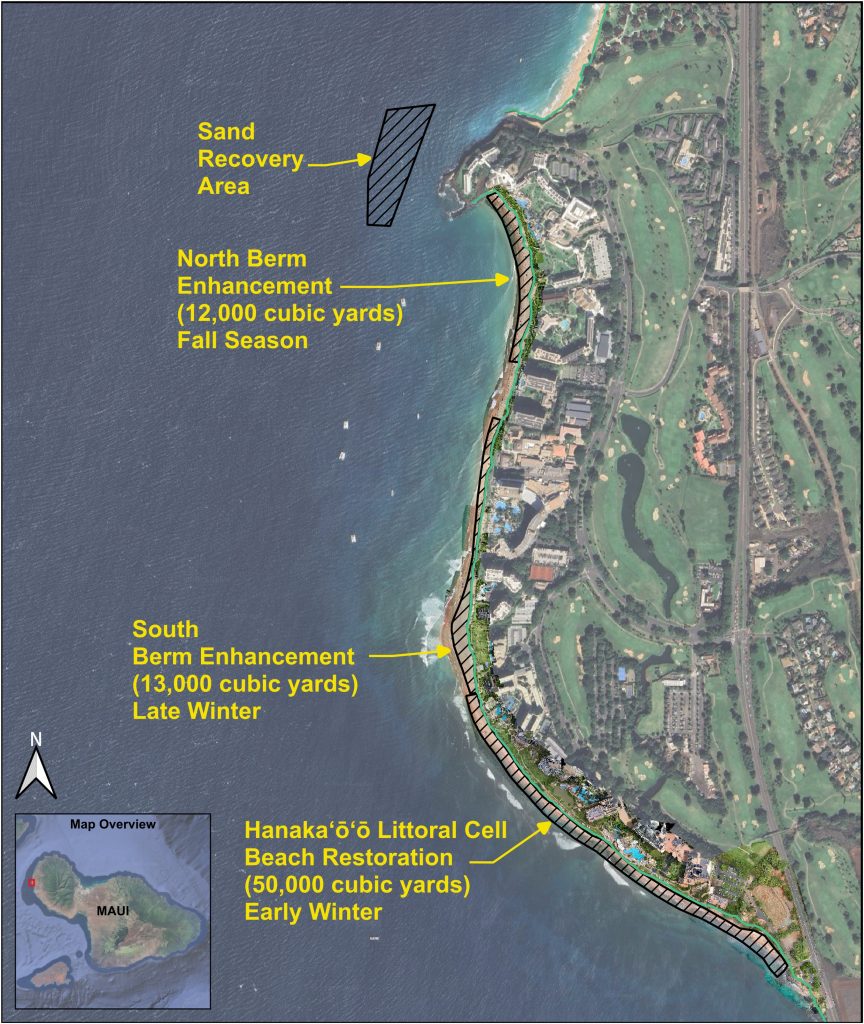
The restoration plan treats Kāʻanapali’s two littoral cells differently. Between Hanakaʻōʻō Beach Park and Hanakaʻōʻō Point, crews would place about 50,000 cubic yards of sand on the beach and in shallow nearshore waters, widening the dry beach by 41 to 78 feet in places.
Between Hanakaʻōʻō Point and Puʻu Kekaʻa, where sand shifts more dynamically between seasons, the project would add about 25,000 cubic yards of sand to raise the berm elevation by 3.5 feet. Crews also plan to create protodunes and dune pathways there, paired with a native vegetation plan intended to stabilize the dunes and anchor sand on the beach.
Changes made after community input
Organizers said the plan has changed significantly since it was first proposed in 2023 in response to community feedback. Raphael Wellerstein, president and general manager of Kāʻanapali Operations Association, said the input reshaped the project with stronger environmental safeguards and greater protections for cultural resources.
Among the changes: the protective buffer around Puʻu Kekaʻa was expanded from 150 feet to 280 feet, and a full-time cultural monitor will be present with authority to observe work and help halt activity when appropriate.
Organizers also eliminated construction staging at Hanakaʻōʻō Beach Park, scheduled in-water work outside the canoe paddling season, and committed to a long-term Adaptation Pathway Plan that includes a dune restoration feasibility study and a beach walk management plan.
Public access during construction
Construction will be phased and sequenced to minimize disruption, with only the active work areas temporarily cordoned off for public safety during operation of heavy equipment. The project team will be onsite during construction to direct foot traffic, and daily updates will be provided to community stakeholders, public safety officials and the public.
Environmental monitoring
After construction, water quality, coral reef health and beach topography will be monitored on a set schedule for three years, and potentially up to 10 years, with an independent third party overseeing water quality testing, the project team said. Offshore sand would be collected using a moored crane barge fitted with an environmental clamshell bucket, a method designed to limit turbidity and impacts to marine life. Turbidity containment barriers would surround active work areas, with daily inspections and a mandatory work stoppage if turbidity outside the project site exceeds established limits.
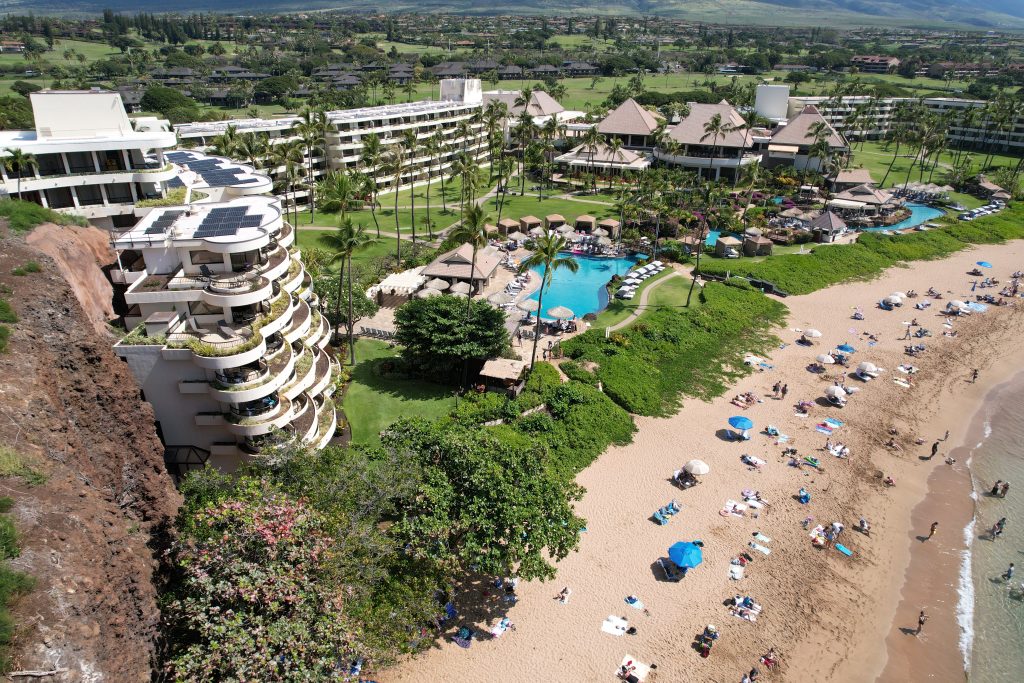
 Sheraton Maui Resort & Spa at Kāʻanapali Beach. PC: Pilikahakai Foundation
- Kāʻanapali Beach aerial view. PC: Pilikahakai Foundation
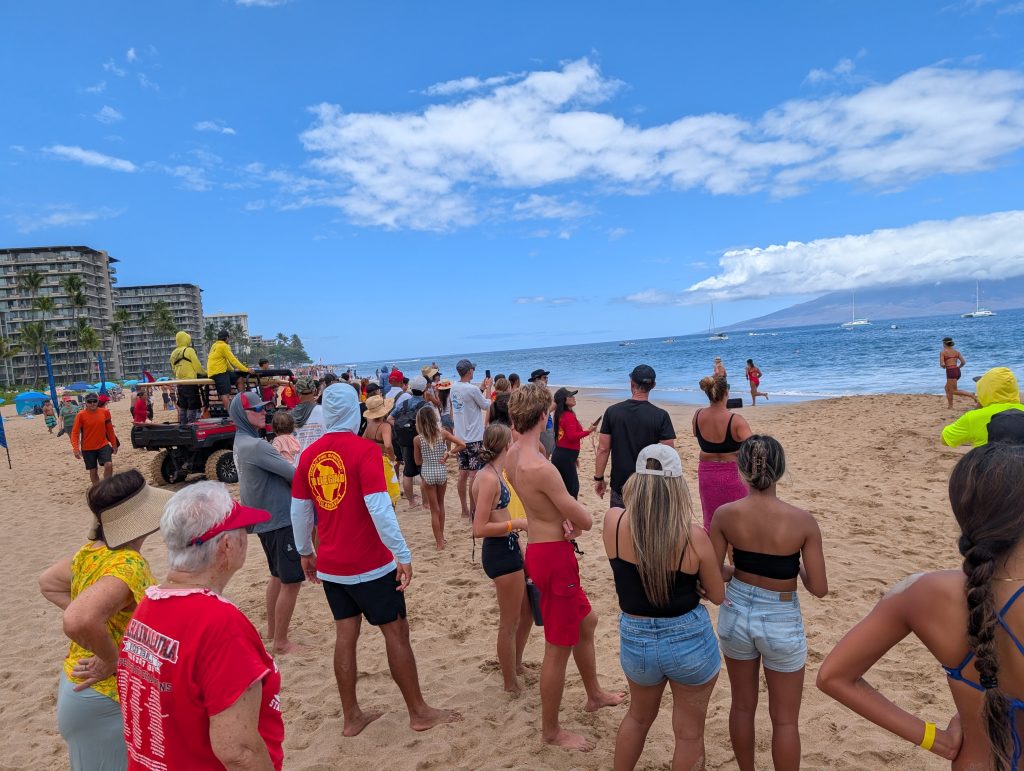
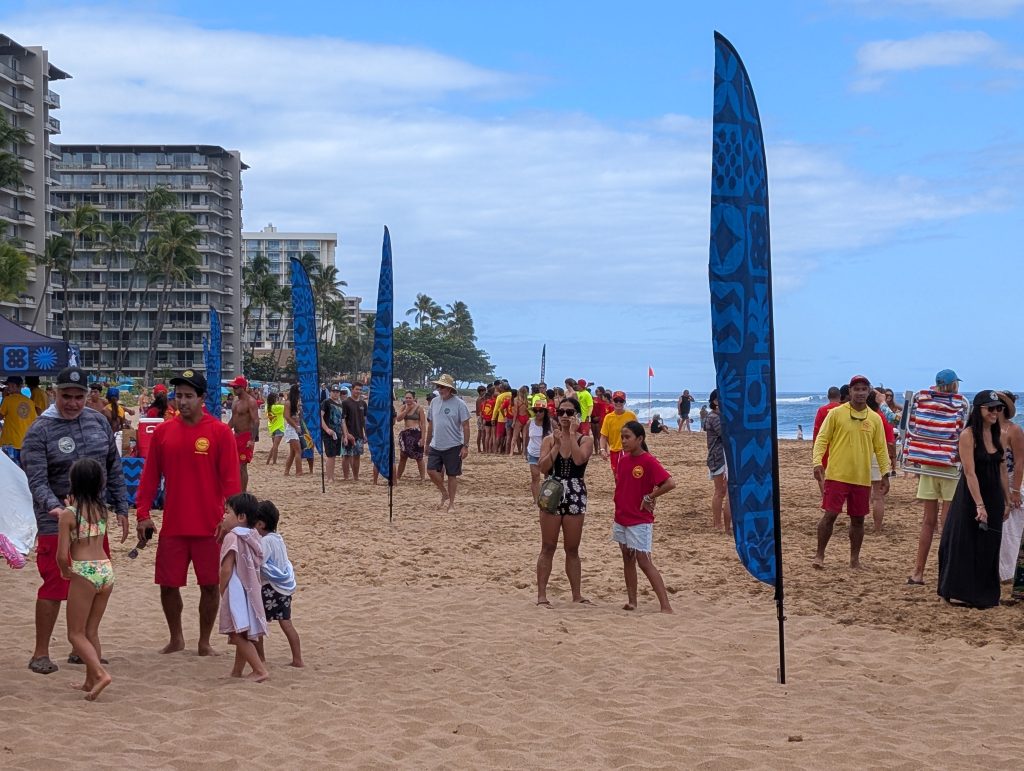
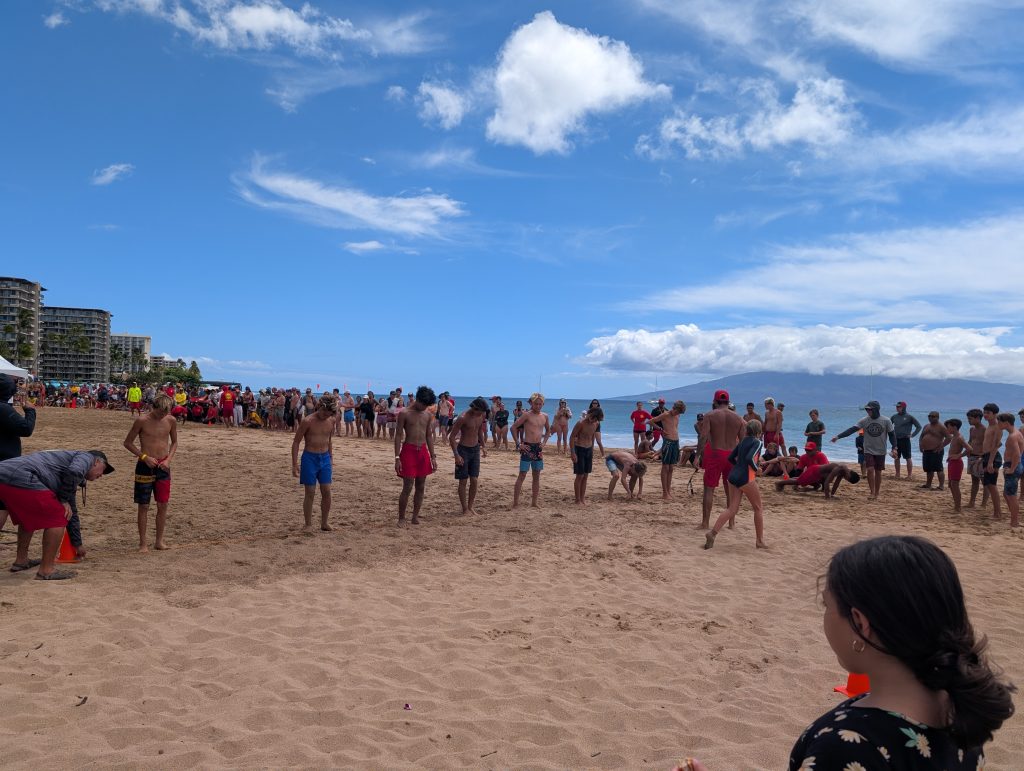
- Annual junior lifeguard competition at Kāʻanapali Beach. PC: Pilikahakai Foundation
- Annual junior lifeguard competition at Kāʻanapali Beach. PC: Pilikahakai Foundation
- Annual junior lifeguard competition at Kāʻanapali Beach. PC: Pilikahakai Foundation
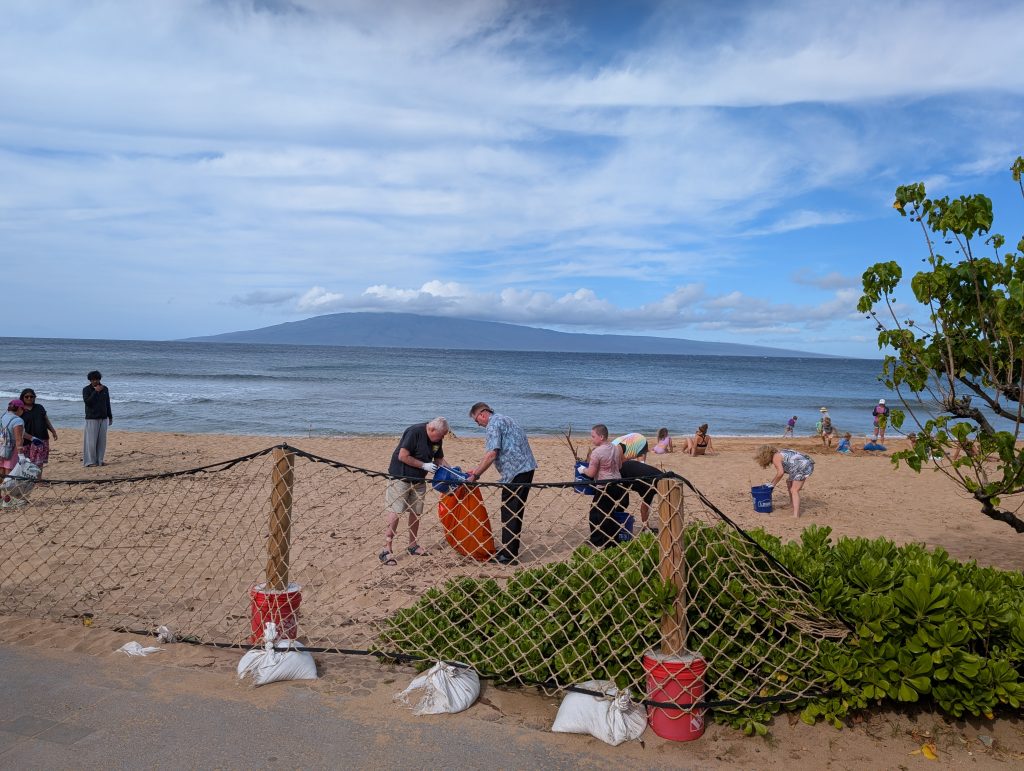
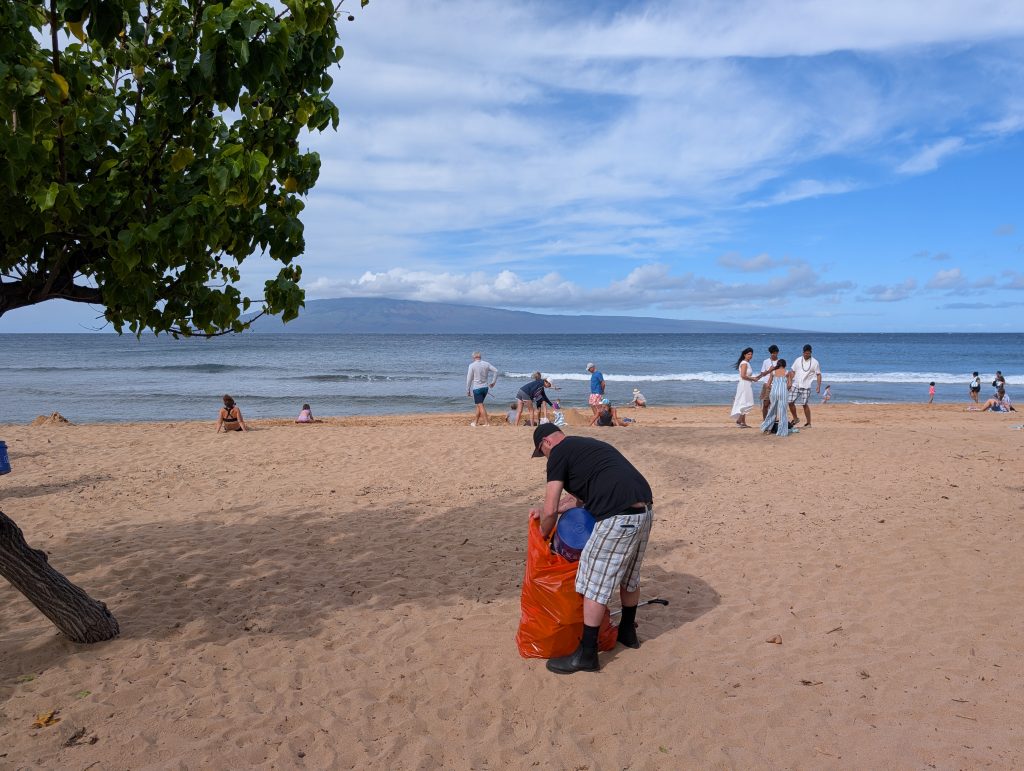
- Kāʻanapali Beach cleanup work. PC: Pilikahakai Foundation
- Kāʻanapali Beach cleanup work. PC: Pilikahakai Foundation





Economic and community impact
Kāʻanapali Beach Resort spans about 1,200 acres along Maui’s western shoreline and contributes an estimated $3 billion annually to the state economy, supporting thousands of jobs, according to the resort association. The restoration project is expected to create up to 100 temporary construction jobs and is being privately funded by the resort’s property owners.
“Kāʻanapali is the economic engine of West Maui. Visitors come here for the beach — if we lose it, we lose everything that depends on it. It’s not just livelihoods at risk; we also stand to lose a place with deep cultural significance where Maui families have gathered for generations.”
John Pele, executive director of Maui Hotel & Lodging Association
As part of the project, Pilikahakai Foundation has pledged up to $150,000 to help build and equip a new Maui County lifeguard tower on the north end of Kāʻanapali Beach, where the nearest lifeguard stand is currently about 1.5 miles away at Hanakaʻōʻō Beach Park. The tower is being developed in coordination with Maui County Ocean Safety. Pending permit approval, the project team also plans to add public beach parking stalls within the resort.
Pilikahakai Foundation, established in 2024 by Kāʻanapali Beach Resort property owners, says it works to perpetuate Native Hawaiian culture, advance environmental stewardship and preserve public access to Kāʻanapali Beach.
More information is available at pilikahakai.org.
Sponsored Content