Hawaiian Moment — some frequently mispronounced words in ʻŌlelo Hawaiʻi

Kiawe – Lilikoʻi – Haʻikū
Kiawe – (often times pronounced as Keawe) – Is a species of mesquite tree. It is a thorny tree, native to Colombia, Ecuador and Peru. While threatened in its native habitat, it is considered an invasive species in many other places.
The kiawe is a spreading bush or moderately sized tree, bearing spines, spikes of greenish-yellow flowers, and long pods filled with small brown seeds. It is a successful invasive species due to its ability to reproduce in two ways: production of large numbers of easily dispersed seeds, and suckering to create thick monotypic stands that shade out nearby competing plants. It survives well in dry environments due to a long taproot which can reach deep water-tables. It is so efficient at extracting moisture from soil that it can kill nearby plants by depriving them of water, as well as by shading them out. It can be found in areas where other plants do not grow, such as sandy, dry, degraded slopes, salty soils, disturbed areas, and rocky cliffs.
Its hard wood is a source of long-burning firewood and charcoal. Kiawe pods can be used as livestock fodder, ground into flour, turned into molasses or used to make beer. The light-yellow flowers attract bees, which produces from them a sought-after white honey.
The first kiawe was planted in Hawaii in 1828. At times the tree was used to replace forest and prevent erosion, and once it was established it generally dominates the habitat as well.
Lilikoʻi – (often pronounced without the ʻokina between the “o” and “i” – Lilikoe) – Is a vine species of passion flower that is native to southern Brazil. Its common names include passion fruit or passionfruit. Lilikoʻi was introduced into Hawaiʻi in 1880, and it quickly became popular in-home gardens. It naturalized in Hawaiʻi’s almost perfect climate and, by 1930, could be found wild on all the islands of the Hawaiian chain.
It is cultivated commercially in tropical and subtropical areas for its sweet, seedy fruit. The passion fruit is a type of berry, round to oval, either yellow or dark purple at maturity, with a soft to firm, juicy interior filled with numerous seeds. The fruit is both eaten and juiced; passion fruit juice is often added to other fruit juices to enhance aroma.
Passion fruit is so called because it is one of the many species of passion flower. Around 1700, the name was given by missionaries in Brazil as an educational aid while trying to convert the indigenous inhabitants to Christianity; its name was flor das cinco chagas or “flower of the five wounds” to illustrate the crucifixion of Christ, with other plant components also named after an emblem in the Passion of Jesus.
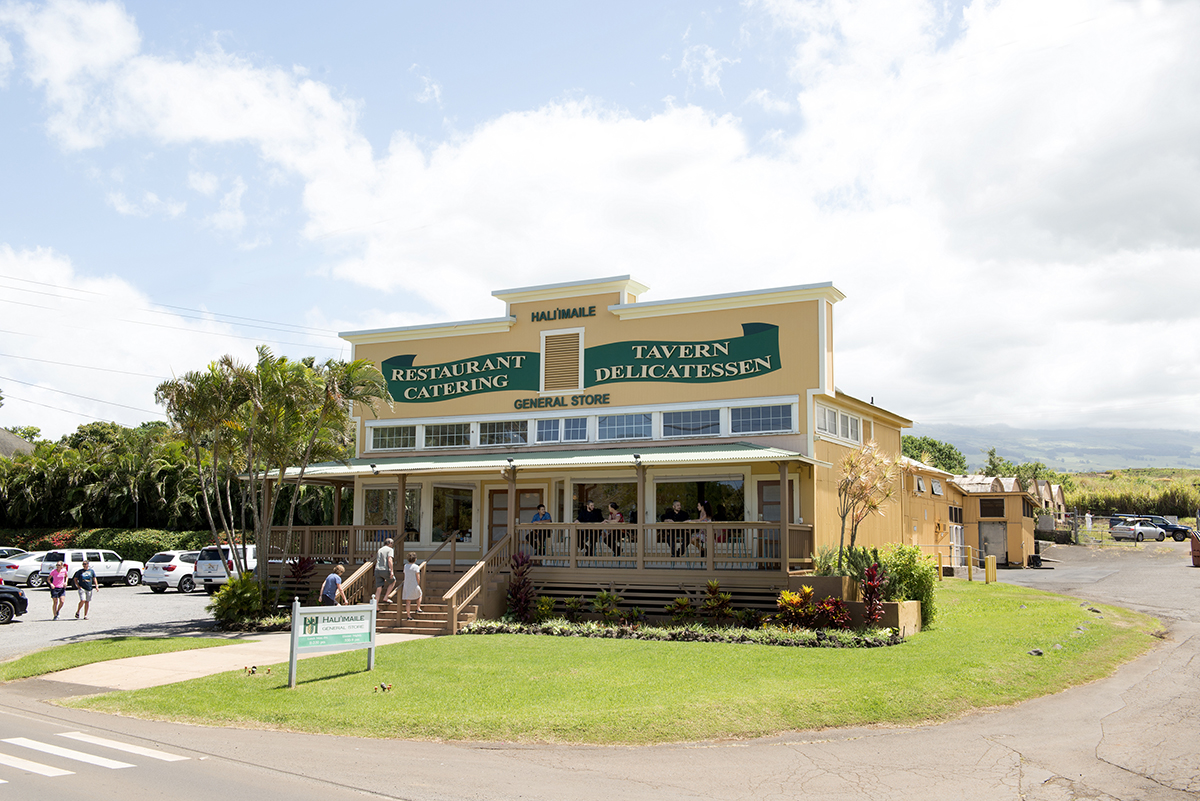
Haʻikū – (often pronounced without the ʻokina between the “a” and “i” such as Haiku – which is sometimes likened to the Japanese pronunciation of this word which is a style of writing) – means “talk abruptly” or “sharp break”. Haʻikū in Paʻuwela Maui. Haʻikū in Honomū just outside of Hilo town on the island of Hawaiʻi. Haʻikū in Līhuʻe on the island of Kauaʻi. Haʻikū in Kāneʻohe on the island of Oʻahu.
Sponsored Content