Hawaiian Moment — Exploring canoe crop fruit

First Hawaiian settlers brought with them very important crops to make sure that upon landing they would have plants that could provide basic necessities. These items or plants that were brought are often referred to as “canoe crops.”
There are about 20 based on various research. Interestingly there were just a handful of fruit plants that were brought. Besides maiʻa, or banana, what do you think the others were?
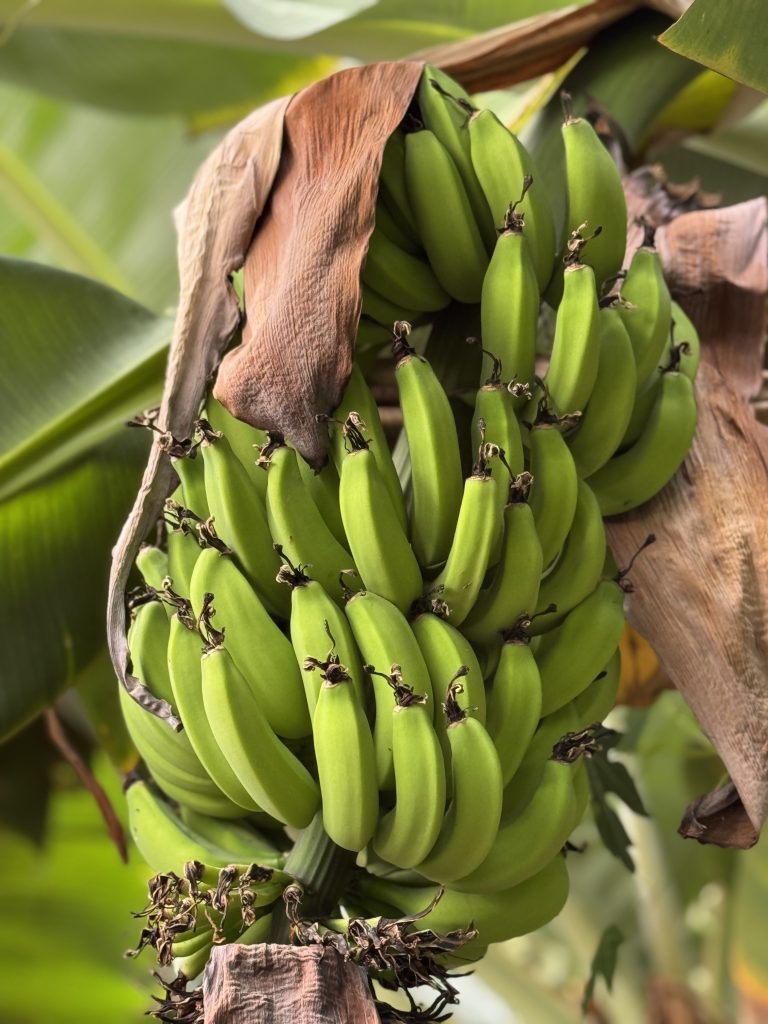
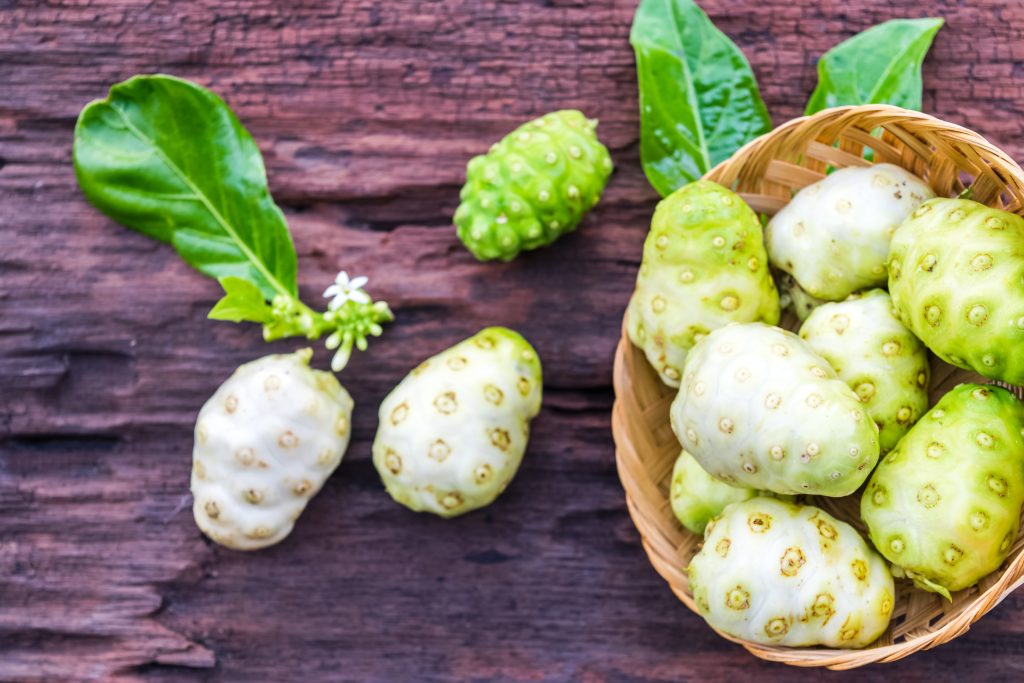
“Noni” would have been a hard one to remember or classify as a fruit. Another was called ʻōhiʻa ʻai, better known as mountain apple.
Mountain apple is not a native species of Hawaiʻi. It originated from Malaysia and has been widely cultivated throughout Southeast Asia, India, Central America, the Caribbean, and many tropical island countries in the South Pacific.
Mountain apples are a fast-growing tree and can reach 50-60 feet when mature. It can be grown easily from cuttings or air layering. The ʻōhiʻa ʻai tree is also called mountain apple because the reddish fruit of the ʻōhiʻa ʻai tastes (and looks to a degree) like apples.
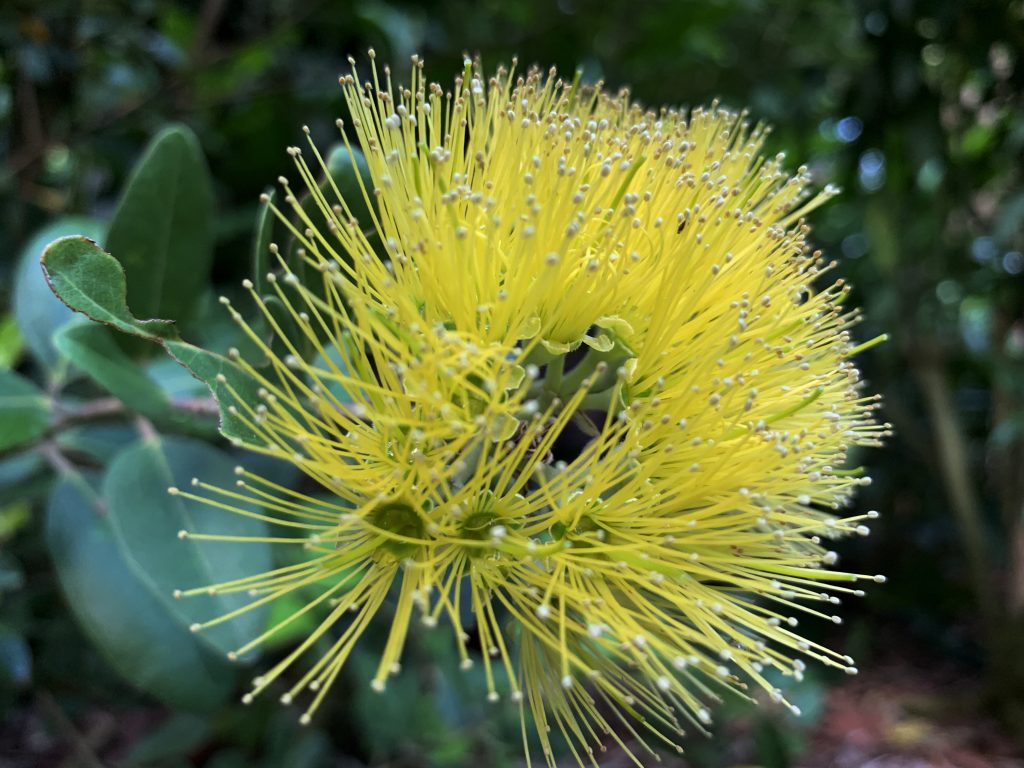
While it shares its name with the ʻōhiʻa lehua it is actually not related at all and instead is a member of the Myrtle family. The common ʻōhiʻa name almost certainly resulted from the similarity in the flowers between the two trees.
On Hawaiʻi Island, it thrives in areas that have abundant rainfall and humidity, such as Hilo and Pāhoa towns or the lush Waipiʻo Valley. It can be seen growing in the wild wherever birds and animals have scattered their seeds: in the middle of a rainforest, at the bottom of a ravine, or alongside the many waterfall streams around the island—like along the road to Hāna.
In Hilo, it is common to see a large mountain apple tree covered with hundreds of fruits in someone’s backyard and very often an entire branch will snap off because of the fruits’ weight.
The ʻōhiʻa ʻai In ancient Hawaiʻi was used in various medicinal preparations including birthing as well as for cuts. It was also used for building and as dye.
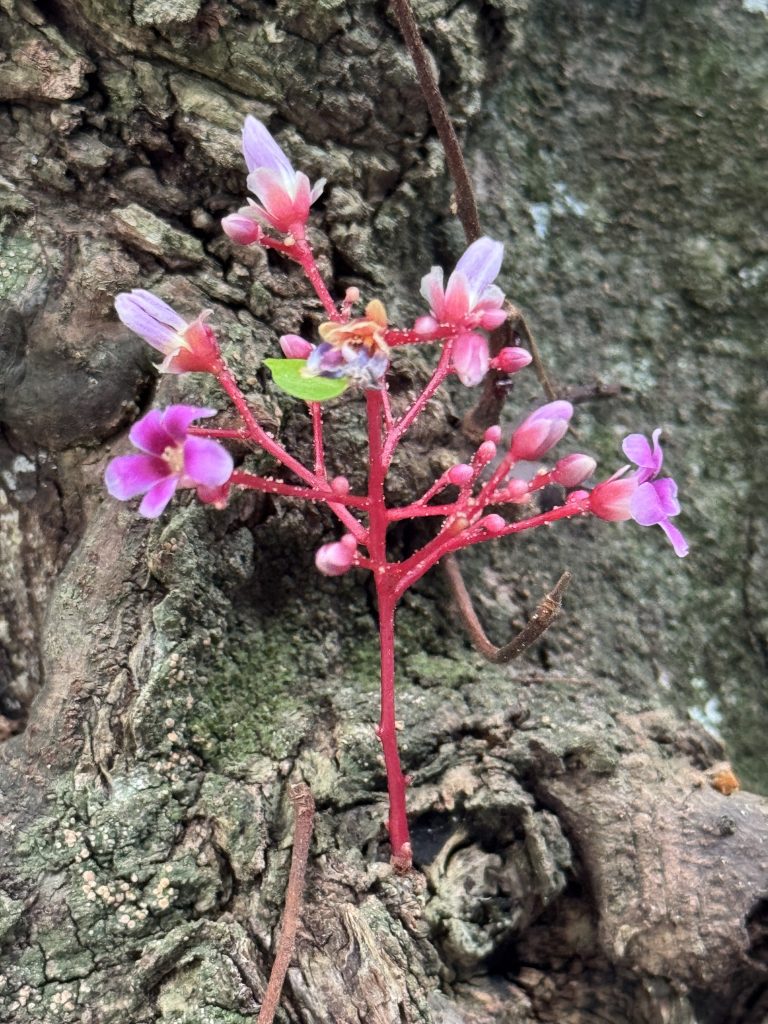
Find out more about canoe plants here.
Sponsored Content