Op-Ed: From GMO to STR — Maui’s fight to end the rule of profit over people
Op-Ed: From GMO to STR — Maui’s fight to end the rule of profit over people
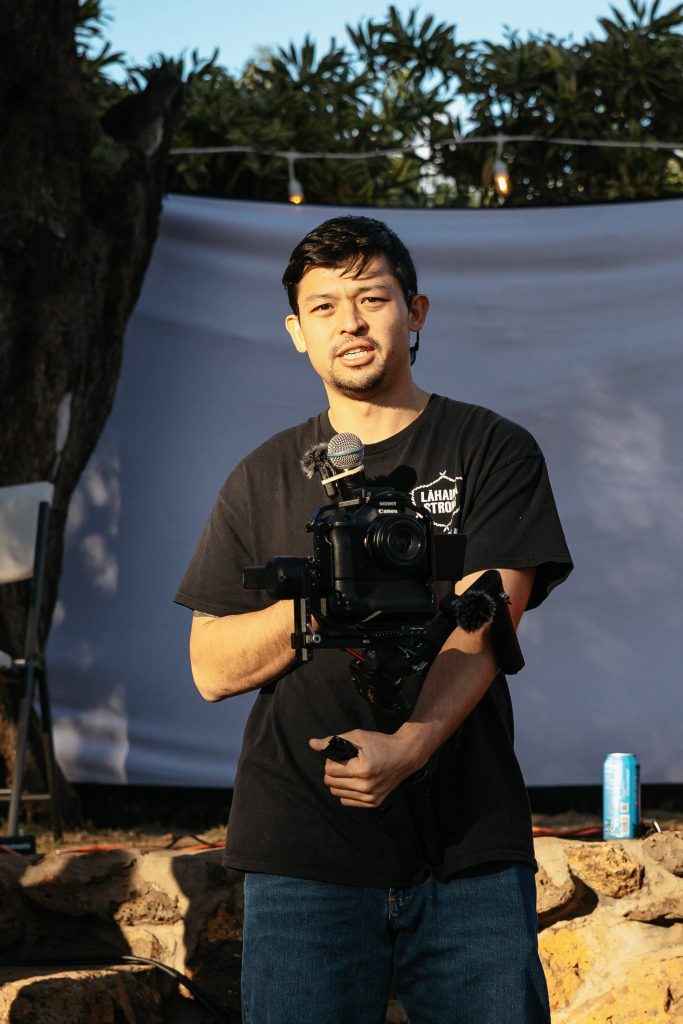
By: De Andre Makakoa Takahashi | Lahaina Strong
Takahashi is a community organizer and wildfire survivor from Lahaina, Maui.
“It’s hard to believe the Genetically Modified Organism (GMO) Moratorium fight from over a decade ago is so deeply connected to today’s STR housing crisis. That battle ended in court, but the resistance didn’t die. It evolved. It planted seeds. And the movement rising up after the 2023 Lahaina wildfire is growing from those very seeds.
Before the political shift in 2018, Maui’s County Council was dominated by a pro-development establishment that operated with minimal public oversight. Backed by agribusiness giants like Monsanto and Alexander & Baldwin (A&B), the tourism industry, and development interests, the Council consistently approved land-use and zoning changes that prioritized profit over people.
Meetings lacked transparency, community voices were sidelined, and decisions often mirrored the mayor’s agenda. With no meaningful check on power, grassroots resistance remained fragmented, until the cracks in that system set the stage for a political shift.
It all began with dust and drift. Open-air GMO testing and pesticide spraying near schools, homes, and farmland with no health studies, and no accountability. In 2014, a diverse coalition of Native Hawaiian advocates and environmentally driven residents joined forces to protect their communities, gathering nearly 9,000 signatures for a moratorium. Despite massive spending by Monsanto and Dow, the people won at the ballot box. But county officials refused to certify the vote, and even sided with the corporations in court. The measure was ultimately struck down, but the damage was done. Trust was broken, and a generation of political organizers was born in the fallout.
The GMO fight didn’t just challenge corporate power, it trained a movement. Community leaders became legal strategists, educators, policy wonks and political watchdogs. They built toolkits, taught testimony, exposed government collusion, and knew they had to be willing to play the long game.
In 2018, that long game paid off. A 5–4 progressive majority was elected to the Maui County Council, the first in history to be majority Native Hawaiian, majority female, and openly aligned with grassroots priorities. This didn’t happen by chance of course. It was the result of coordinated grassroots campaigning led by the community and former movement leaders determined to shift power.
Voter education, island-wide canvassing, and coalition-building were deployed at a scale rarely seen in local politics, with a clear goal: replace the pro-development stronghold with council members rooted in ʻāina and community. It was a people -powered electoral strategy designed to take the movement from protest to policy. Many of the newly elected came from the front lines of the GMO fight and other ʻāina-based struggles. With lived experience and community backing, they entered office ready to challenge the status quo and for the first time, the people had a true seat at the table.
From 2019 to 2022, the progressive council delivered on its promises. They passed groundbreaking laws protecting water, ʻāina, and shorelines, while promoting community-based agriculture and ethical development. Budget processes became more transparent, and local voices gained real influence in decision-making. Hawaiian cultural values were brought into the legislative process, not as token symbols, but as guiding principles. By making government more accessible, they empowered the community to participate like never before, ensuring more stakeholders could help protect land and resources for future generations.
By 2023, the Council had flipped again, but this time back into the hands of pro-development interests. The new 5–4 majority was backed by the Carpenters Union, PRP, and tourism-driven entities. The remaining four progressives, holdovers from the 2018 wave, were now in the minority.
Then came the August 2023 fires. The housing crisis could no longer be ignored. Entire families were displaced overnight, sleeping in cars and tents. What began as a push to secure dignified shelter for fire survivors soon peeled back the layers of a deeper truth, revealing short-term rentals as a long-ignored force fueling Maui’s housing crisis. In response, Bill 9 was introduced in 2024 to phase out around 7,000 units on the controversial “Minatoya List”, a loophole that had long protected apartment-zoned STRs from regulation. The community has shown overwhelming support, but whether their voices will outweigh the grip of the “profit over people” governing style is still unknown.
The crisis reignited Maui’s grassroots engine. But this time, the movement was more seasoned. Fueled by past lessons, equipped with digital organizing tools, and backed by a politically aware community. Testimony flooded in by the thousands. Legal teams were ready. And movement leaders who once fought in the GMO era now stood beside and mentored a new generation, strategically pushing from both inside and outside the system to reclaim housing for local families.
The movement may have started with GMOs, but it revealed something far deeper: a governing system built to serve corporations, not communities. That realization lit a fire that never died.
Though the progressive majority was lost, its roots remain strong. On July 23, the Maui County Council will vote on Bill 9, and will be an unmistakable referendum on who they truly serve. The people are watching. If the council chooses profits over people, the public’s resolve will, without a doubt, solidify into political action at the ballot box.
We are standing at a threshold: either we make the hard corrections now, or we watch the door close behind us forever, and with it goes the Maui we know: one where keiki can grow up near their kūpuna, where ʻohana can afford to stay, and where the land thrives and is protected for future generations. That door is still open, but just barely. On July 23, our council members must decide which side of it they will stand on.”
*****Views expressed in Op-Ed pieces are those of the author’s alone and do not reflect or represent the opinions, policies or positions of Maui Now.*****
Sponsored Content