Where it’s at? The Hawaiian hoary bat, ʻōpeʻapeʻa
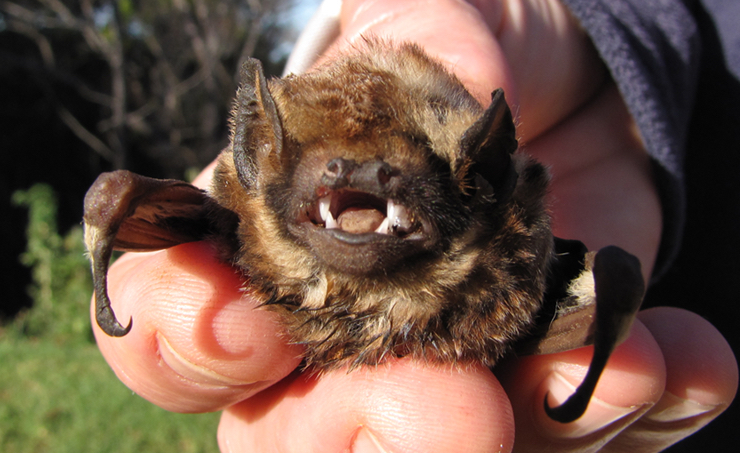
Wildlife biologists are asking residents to keep a lookout for ʻōpeʻapeʻa, the Hawaiian hoary bat, an endangered species and Hawaiʻi’s official state land mammal, the only land mammal native to the islands. Scientists want to know where it hangs out.
Residents can help provide information about ʻōpeʻapeʻa habitat by reporting bat sightings online through iNaturalist, an online platform for citizen science that allows users to record observations and share them with biologists and fellow nature enthusiasts.
Observations can be tagged as “Hawaiian hoary bat” and then uploaded with data about the location of your sighting on the website or the iNaturalist mobile app. Observations can be recorded any time of year, but are especially helpful during August through October, when ʻōpeʻapeʻa are most active and their pups are learning to fly.
ʻŌpe‘ape‘a don’t live in caves or your attic, and have no interest in bat boxes made by people. They usually roost alone in trees, roaming up to 12 miles a night over their territories. A female often has twins, tucked into a crook of a tree. They silently hunt for flying insects around dusk and dawn in forests, urban neighborhoods, around water sources – anywhere the bug hunting is good.
Other ways to help the ʻōpeʻapeʻa:
- Keep your cats indoors. A sleeping bat, or pups left by a mother bat while she hunts, have no defense against cats.
- Avoid trimming trees between June 1 and Sept. 15, when pups are most likely to be present in nests.
- Keep lights at home pointed down, using low wattage so ōpe‘ape‘a won’t fly into large windows. Moths, easily attracted to lights, are their favorite foods.
You can learn more about ʻōpeʻapeʻa from the DLNR Division of Forestry and Wildlife’s ʻOpeʻapeʻa page, which includes a link to iNaturalist to record sightings, a printable flier for classrooms, an ʻōpeʻapeʻa headband craft, and an original music video about ʻōpeʻapeʻa made by students at Kalihi Waena Elementary School.
Sponsored Content