Free UH Mānoa series explores Native Hawaiian healing
The University of Hawaiʻi at Mānoa Thompson School of Social Work & Public Health is hosting a free, semester-long online series centered on Native Hawaiian cultural perspectives in health and wellbeing, particularly ways of understanding and preventing intergenerational trauma.
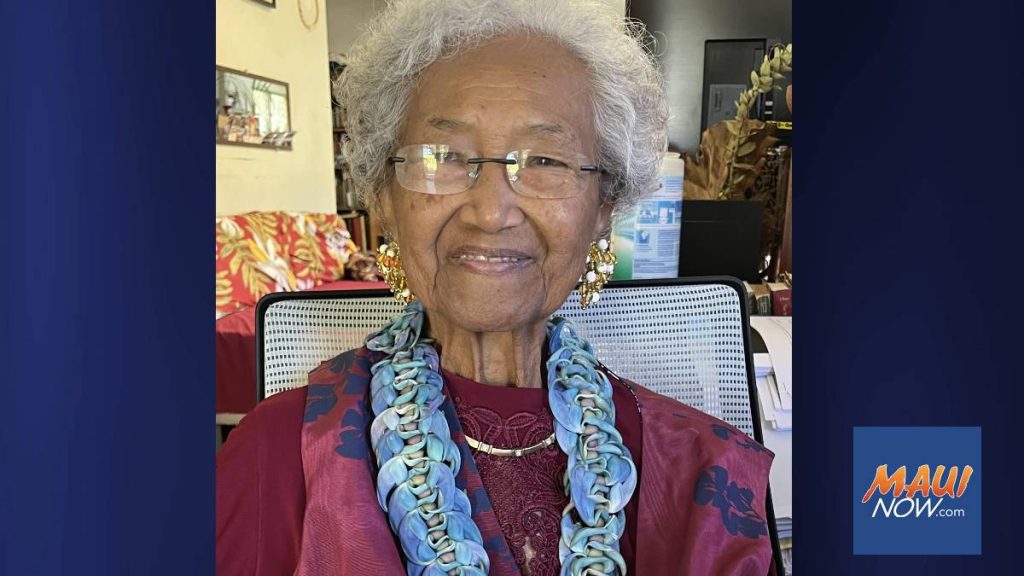
The 15 Zoom sessions of “Native Hawaiian Perspectives–A Cultural Context for Wellbeing: Hoʻomau & Preventing Generational Trauma” will run from Aug. 26 through Dec. 9, 2025, and is open to students and community members. It will be led by Aunty Lynette Kahekili Kaopuiki Palignawan, a revered cultural practitioner, social work pioneer, Living Treasure of Hawaiʻi and Thompson School alumna. She will be joined by haku kākoʻo, Kate Kahoano.
“Aunty Lynette’s teachings are rooted in deep cultural wisdom, and her approach empowers us to connect across generations through shared values and practices of healing,” said Theresa Kreif, a faculty member in the Thompson School’s Department of Social Work. “We are humbled to host this journey of learning and reconnection.”
The program builds on a successful community-engaged learning model previously used by Palignawan at UH West Oʻahu, where students and community members participate as equal learners.
Sessions for the two-part series will take place Tuesdays from 5:30 to 8 p.m. HST. No background in Hawaiian studies or social work is required.
While free and open to the public, participants are encouraged to commit to attending all 15 sessions. The program is especially inviting former haumāna (students) of Palignawan from the UH Mānoa, UH West Oʻahu campuses and the Hawaiian Learning Program as well as students from the Ke Aʻo Mau Program, Native Hawaiian Interdisciplinary Health Program and the school’s Native Hawaiian and Indigenous Health Specialization.
The series is made possible through the support of the Thompson School’s Department of Social Work, its Pacific Partnerships & Workforce Development Initiatives and Workforce Hub, the UH Center for Indigenous Innovation and Health Equity and the Hawaiʻi Pacific Foundation.
For more information, contact Theresa Kreif at kreif@hawaii.edu.
Sponsored Content