Letter: Caught in a Tsunami Watch on Maui — A teen traveler’s story
Caught in a Tsunami Watch on Maui: A teen traveler’s story
By Lucas Hurwitz

We had just landed in Maui on July 29 after five nights in Oʻahu when every phone in baggage claim buzzed at once.
Tsunami watch for Hawaiʻi.
A watch means a tsunami is possible, but not yet confirmed. For most people around us, it was an alert to keep tabs on. For me, being from Los Angeles where earthquake drills start in preschool, it was surreal that an earthquake in Russia could trigger a possible tsunami here in the Pacific. That night would show me how connected our world really is — how events in one corner of the globe can ripple into lives thousands of miles away.
From baggage claim, we called our hotel. The receptionist’s voice was calm: it was just a watch, they had plans in place, and we should keep coming. Standing there with our luggage, we debated whether to find a room inland or head to our beachfront hotel in Wailea. Their confidence tipped us, and we went.
Wailea is about 16 miles from the airport, with one main road in and out. Four miles from the hotel, our phones lit up again — this time with a tsunami warning. The instructions were blunt: evacuate coastal areas, move to higher ground or a vertical evacuation site, and stay there until the all-clear. The first wave for Hawaiʻi was projected to hit at 7:17 p.m.
Almost immediately, we noticed the opposite lane had bumper-to-bumper traffic heading inland. Our driver said he had never seen it that backed up. That’s when the second choice hit: turn around and risk hours in gridlock with no guaranteed room inland, or keep going and follow the hotel’s plan. If we turned back, there was a real possibility of being stuck in the car without shelter when the wave hit. We called again. The receptionist’s tone was sharper now and she explained that guests below the 4th floor would be moved to the ballroom, while those on the 4th floor and above would shelter in place as part of the hotel’s vertical evacuation plan. We pressed on, the pull of our plan carrying us toward the coast as the tide of people flowed the other way.
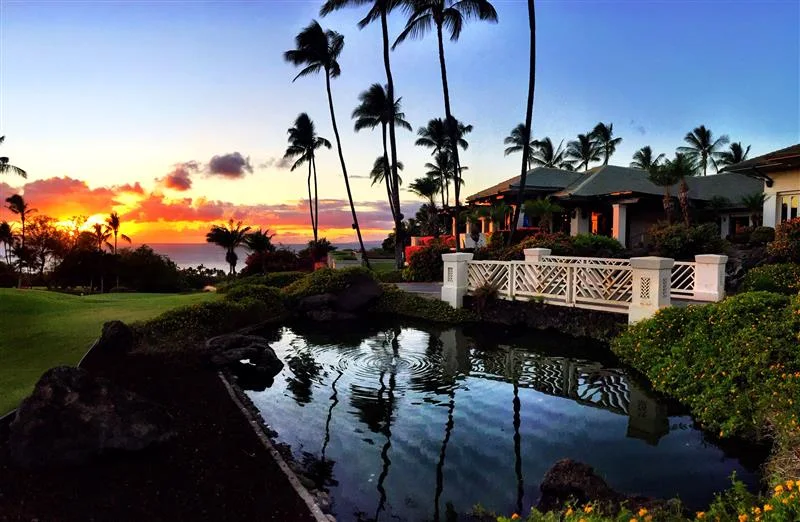
At the Grand Wailea, the usual leis and breezy welcome were replaced by staff helping guests get situated and preparing for the tsunami. Our driver, in true aloha spirit, waited with his phone buzzing from family checking on him until we decided for sure whether to stay or leave with him.
Inside, the open-air lobby moved like the resort’s lazy river, slow on the surface with a current of urgency underneath. Guests hoping to negotiate their way to higher floors waited in line at reception. When it was finally our turn to check in, we were first offered a gorgeous suite on the 2nd floor, close to the pool with an ocean view — the kind of room we’d have loved on any other day, just not today. Apparently all the rooms on higher floors were sold out, but my mom, never one to accept “no” when safety was at stake, kept pushing. After rechecking, they found us a room on the 8th floor for the night.
Before heading up, we walked over to the ballroom on the 2nd floor. I’ve been coming here since I was three years old, but in a moment like this, even familiar places feel different. The ballroom would be our fallback if staying high on the 8th floor ever stopped being safe. In situations like this, it’s not enough to have a plan — you need to know your next plan too.
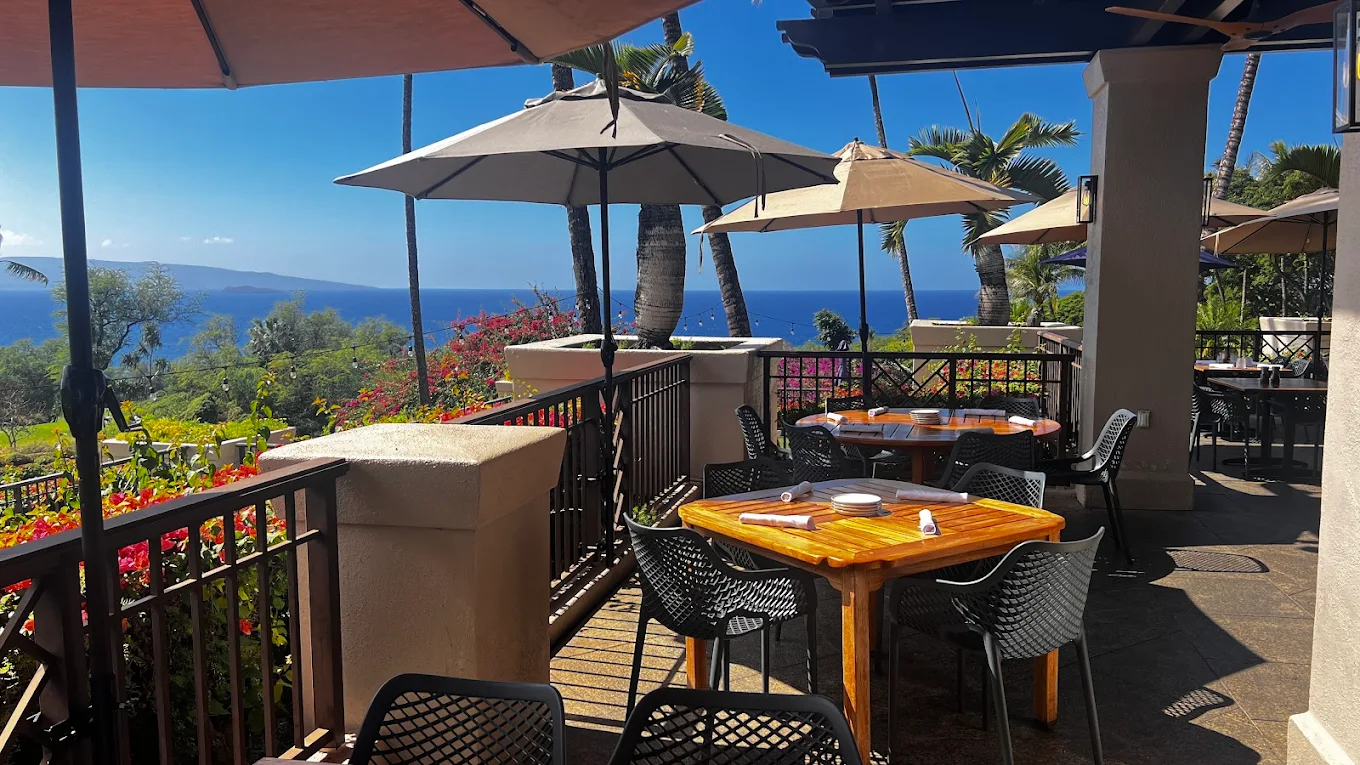
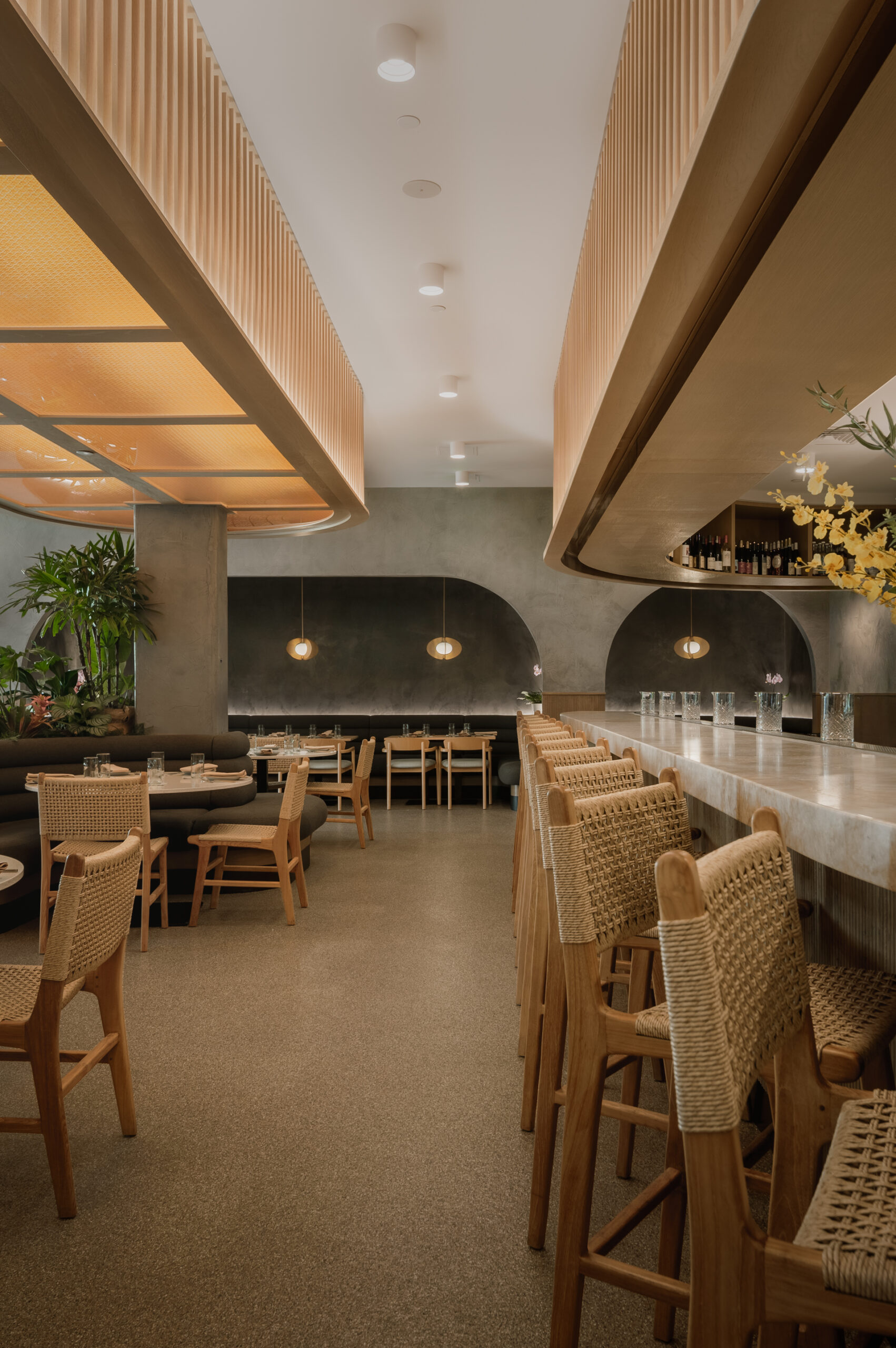
By then, beaches, pools, and oceanfront restaurants were closed. Loulu, on the 4th floor, was the only place still open. The line snaked past the entrance, full of guests ordering “just in case” meals. Staff stayed calm and kind; guests were patient, with that unspoken we’re-in-this-together feeling. My mom and sister went up to the room to wait for the bellman and grab our bags while my dad and I stayed to wait for the food. It took 45 minutes to order and another hour and fifteen minutes to get it.
Alerts came hourly, then every half hour, with sirens faint in the distance. My nine-year-old sister came back down with my mom and asked, “Are we going to be okay?” My mom nodded. At 6:58 p.m., eerily close to the projected wave time, our order was ready. A long line still stretched behind us.

Sitting on our balcony between alerts, we could see other guests gathered on theirs too, a quiet audience staring at the horizon as if we could read the ocean’s intentions in its surface. One family tried to start “the wave,” but it barely rippled. Down at the surf line, one man sat in a chair under an umbrella, as if daring the sea to come for him. The whole scene felt surreal — waiting to see if catastrophe was about to unfold, wondering if in the next moment the world as we knew it would end, or if nothing at all would happen.
We moved between the balcony and the TV news, watching both the ocean and the updates. The mayor, emergency management officials, and local meteorologists were on every channel, steady and clear. We knew other parts of the state were expected to see something before south Maui, so we stayed put, alternating between scanning the horizon and listening to the broadcast. The time came and went. Nothing dramatic. We remained outside until it was too dark to see the ocean, then went in to keep monitoring. The hotel had sent an alert advising guests to fill bathtubs, as water shut-offs were expected; by the time it happened, we already had bottled water and a full tub — part of the quiet rituals of preparedness you hope you’ll never need. With each passing hour, the danger diminished, and by about 10 p.m., without the official all-clear but reassured by the steady updates, we felt confident enough to sleep.
Sitting on that balcony between alerts, I noticed something else: the calm that arrives in the face of crisis, when there’s nothing left to do. We had our plan, our room, our route to the ballroom. After that, you wait for fate to make its next move. And in that stillness, the world felt smaller. An earthquake thousands of miles away can set off decisions for families you’ll never meet. It made me think about everything else that ripples across borders — climate change, environmental damage, the choices we make. What happens in one place can shape life in another. We owe each other care, even when we’re far apart.
What stood out, beyond our hotel, was how prepared the island felt, nearly two years after the Lahaina fires. The communication was clear, the alerts steady, the staff purposeful. You could tell the island had learned hard lessons and was unwilling to take any chances. They were diligent, detailed, and determined to keep people safe — a coordinated effort that left no room for risk.
The very next day, I celebrated my 14th birthday just as planned, swimming in the pool, a special dinner, my first spa treatment.

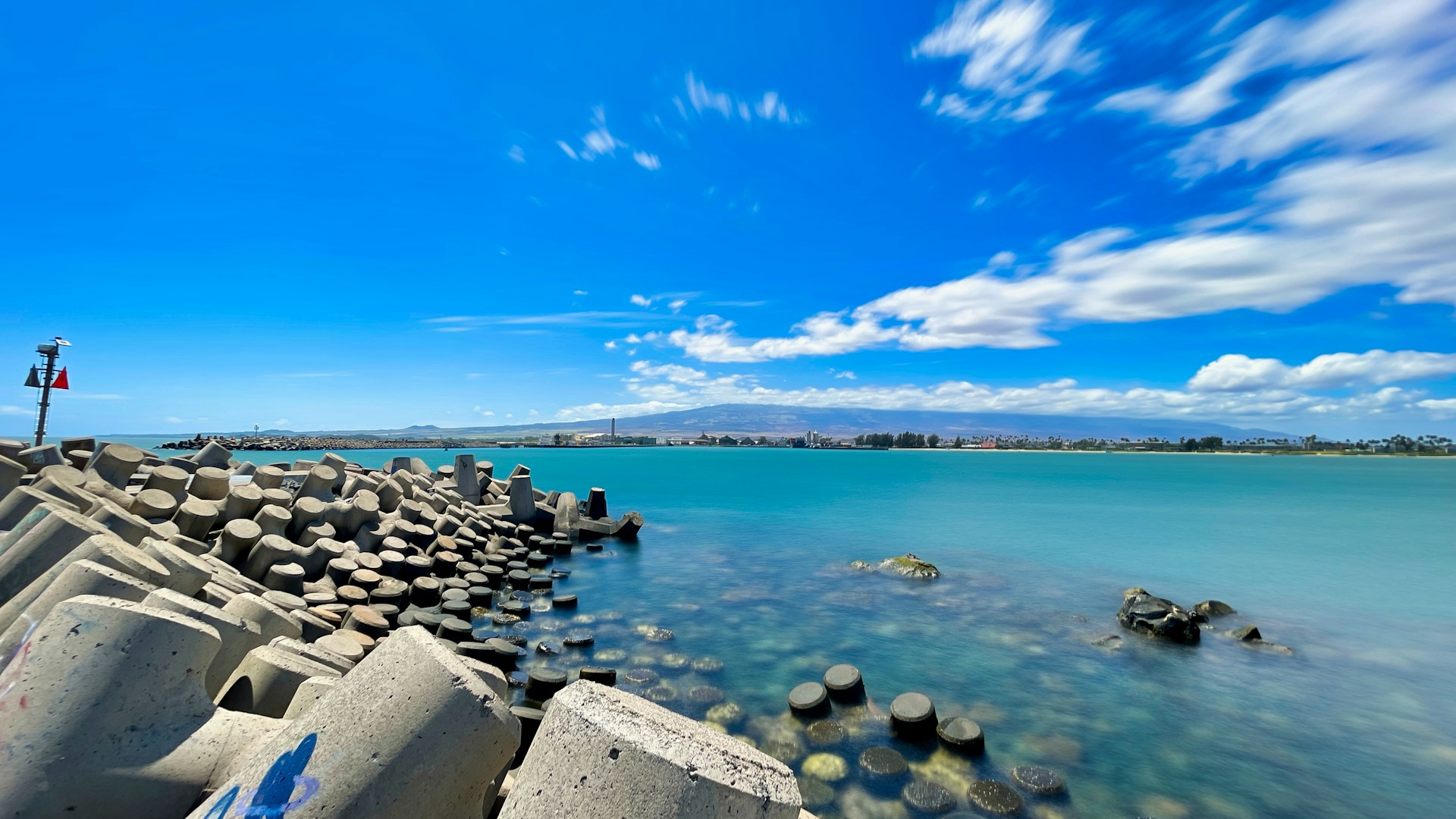
After 11 nights in Hawai‘i, we headed home. The driver who had waited for us that first night, now saved in our phones, came back for our airport run. The road was open, the sky was clear, and the ocean looked like it always does: calm, endless, and for a few hours that week, the only thing any of us could look at.
Mahalo, Hawai‘i.
Sponsored Content