

UH research highlights traditional speakers of ʻŌlelo Niʻihau dialect
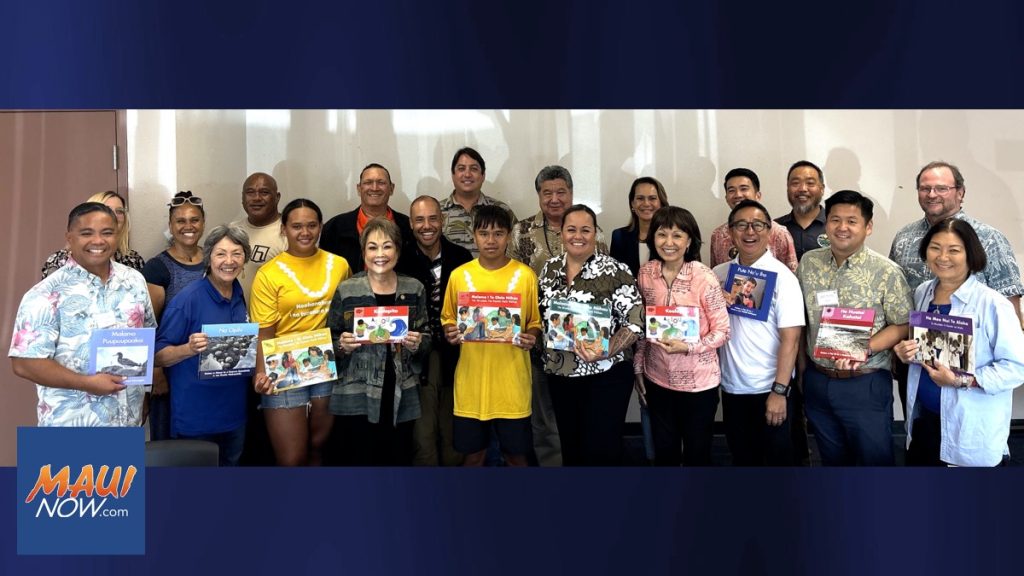
On the leeward side of Kaua’i, Ke Kula Niʻihau O Kekaha — a pre-K-12 charter school — is celebrating its 25th anniversary and a major milestone in preserving ʻŌlelo Niʻihau, the Niʻihau dialect. The school announced it has authored and published more than 400 books in the language, with a selection now on display at the Līhuʻe Public Library.
This cultural preservation work was highlighted during a Senate Committee on Ways and Means update in which the Hawaiʻi State Public Charter School Commission discussed the school’s use of a $30,000 legislative appropriation.
“Our journey started with five visionary women who understood the importance of prioritizing the future of ʻŌlelo Niʻihau through our youth and education,” said Tia Koerte, the school’s Poʻo Tumu. “Publishing over 400 books and creating a priceless archive of recorded interviews with our manaleo (native speakers) has become our life’s work.”
A preliminary report on ʻŌlelo Niʻihau by Bradley McDonnell of the University of Hawaiʻi at Mānoa was also presented, highlighting the differences between the Niʻihau dialect and the more common ʻŌlelo Hawaiʻi.
“This is an important and exciting research that not only uplifts and calls attention to ʻŌlelo Niʻihau, but the Hawaiian language as a whole,” said Ed Noh, executive director of the charter school commission.
Senate Vice President Michelle Kidani and Senate President Ronald Kouchi both emphasized the collective kuleana (responsibility) to provide resources and protect the language for future generations.
“The Hawaiian language is vital for preserving the culture, its identity and history,” Kouchi said. “We must honor and protect this dialect.”
Sponsored Content