UH finds that 3D-printed shelters increase baby coral survival rates
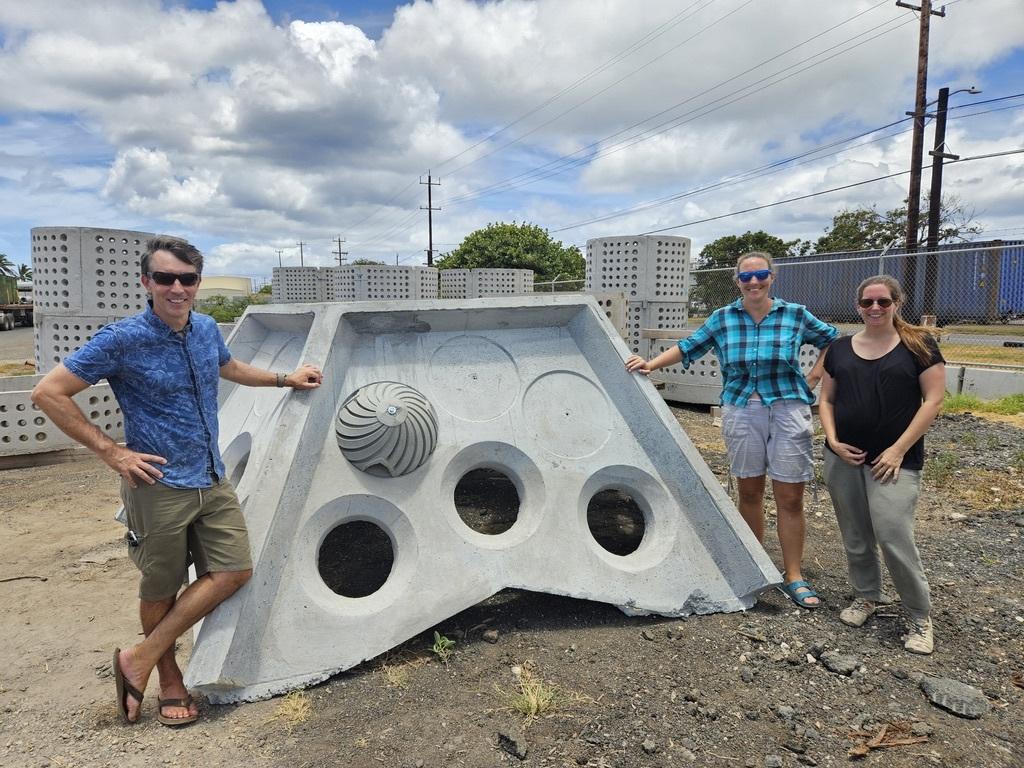
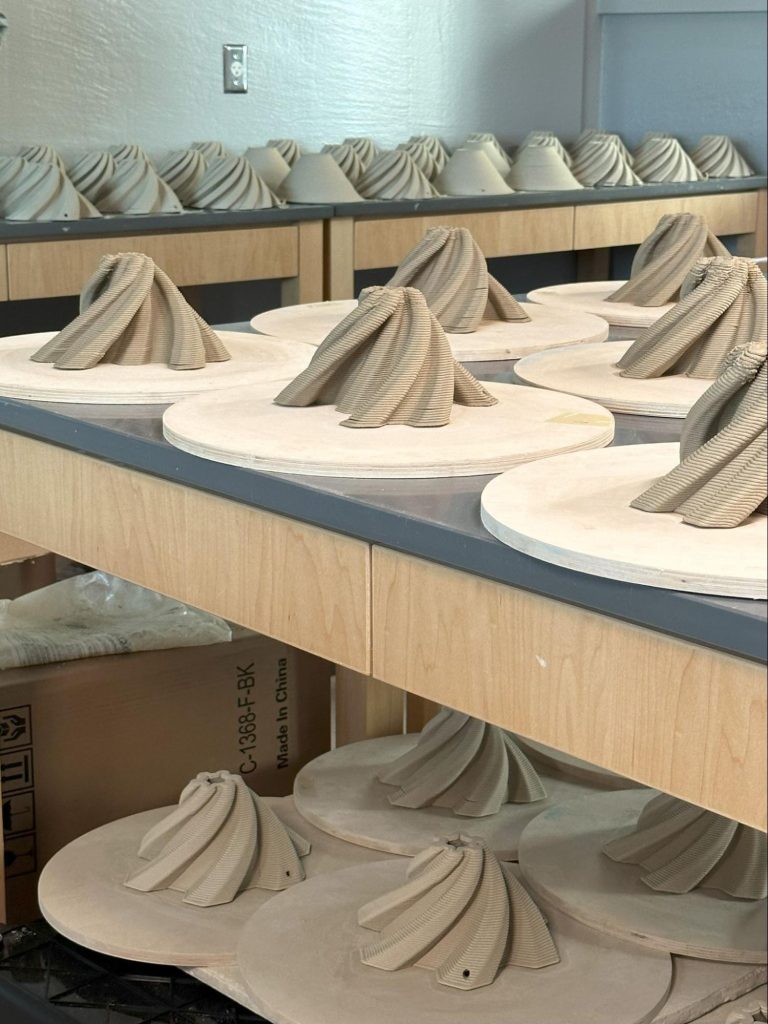
To dramatically increase coral survival rates, scientists at the University of Hawaiʻi at Mānoa Hawaiʻi Institute of Marine Biology (HIMB) have developed innovative 3D-printed ceramic structures that provide crucial protection for baby corals. The new designs offer a low-cost and scalable solution to enhance reef recovery.
The discovery, published in Biological Conservation, addresses a critical challenge in reef restoration: the low settlement and survival rates of juvenile corals, which often die before adulthood due to predation, being overgrown by algae or being swept away by waves.
“We developed structures that help baby corals find safe homes in the reef,” said Josh Madin, principal investigator at HIMB’s Geometric Ecology Lab and co-author of the study. “Our new designs, with small spiral-shaped shelters called ‘helix recesses,’ give young corals the protection they need during this critical stage.”
Increased baby coral settlement
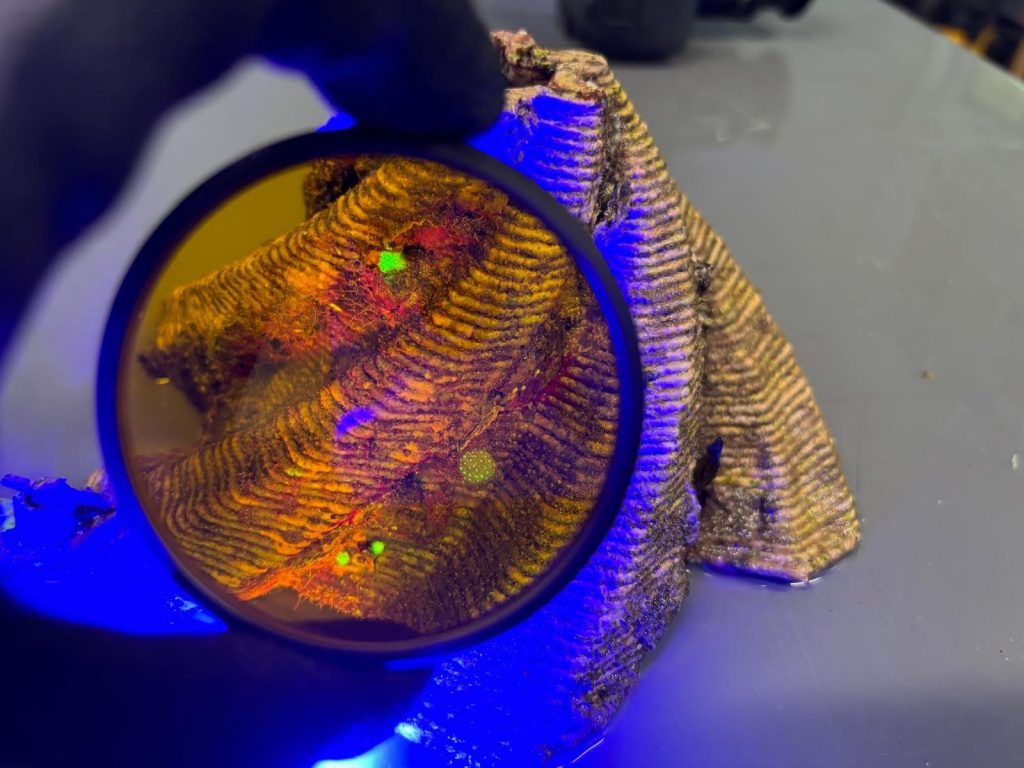
The study found these sheltered spaces had about 80 times more baby corals settle on them compared to flat surfaces and helped them survive up to 50 times better over the course of a year. The idea was inspired by observing coral larvae in nature, which almost always chose small crevices to settle.
“We wondered if we could recreate these safe spaces in structures that could be easily added to reefs for restoration or built into coastal engineering projects,” said Jessica Reichert, lead author of the study and a postdoctoral researcher in HIMB’s Geometric Ecology Lab.
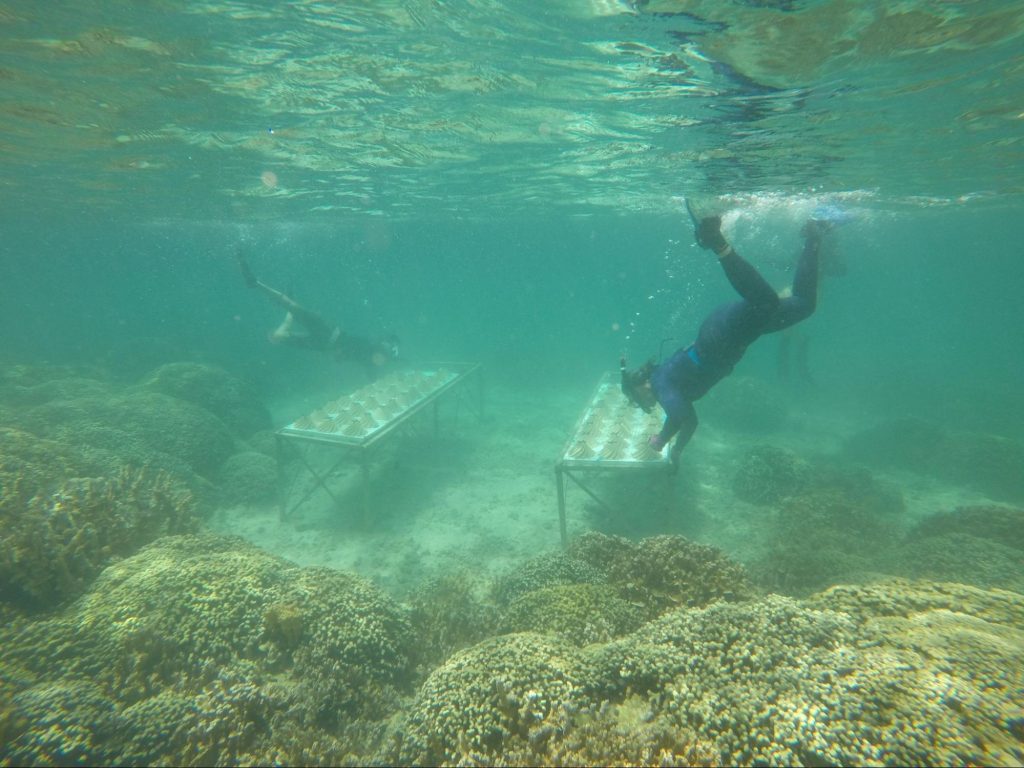
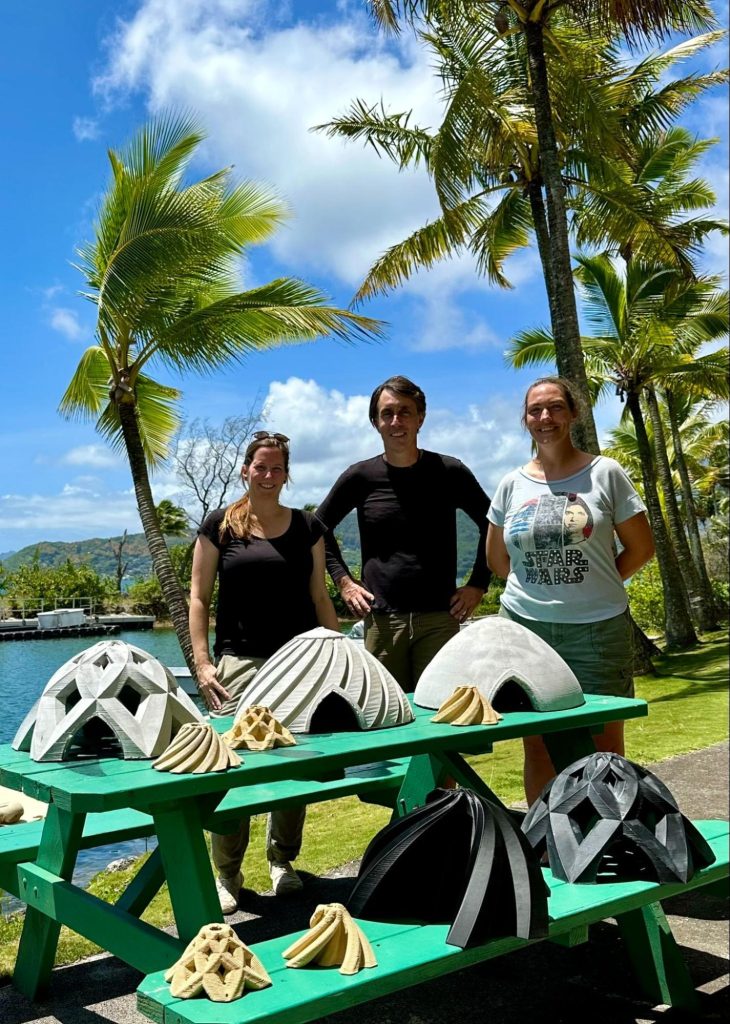
To test this, the team designed and deployed seven different 3D-printed reef modules at two sites in Kāne‘ohe Bay. Over the next year, they tracked the settlement and survival of coral recruits, finding the ‘helix recess’ design to be the most successful.
“We expected the helix recess design to help, but we were surprised by the scale of improvement,” Reichert said. “Seeing thousands of baby corals clustered in these tiny shelters, compared to almost none on flat surfaces, was remarkable.”
Simple to maintain
This method offers a significant complement to current restoration efforts that are often limited by the high cost and labor of rearing and outplanting coral fragments. The new structures are simple to produce, require no ongoing maintenance, and can be integrated into artificial reefs, seawalls and other coastal infrastructure.
For Hawai‘i, where coral reefs are vital for coastal protection, fisheries, and cultural heritage, the implications are particularly significant. “Developing and testing these designs in Hawaiʻi allows the University of Hawaiʻi to provide practical, locally driven solutions that help preserve the ecological, cultural and community benefits reefs provide across the islands,” Madin said.
This research was conducted as part of the Reefense: Rapid Resilient Reefs for Coastal Defense (R3D) program, funded by the Defense Advanced Research Projects Agency, with additional support from the National Science Foundation and the HIMB Director’s Innovation Fund. The project’s goal is to develop hybrid reef structures that act as living breakwaters to reduce coastal erosion. The helix recess design is intended to attract and shelter coral recruits within these larger structures, helping to create self-sustaining reef systems.
Sponsored Content