

Op-Ed: Why I voted ‘No’ for Bill 9 by Council Member Tom Cook
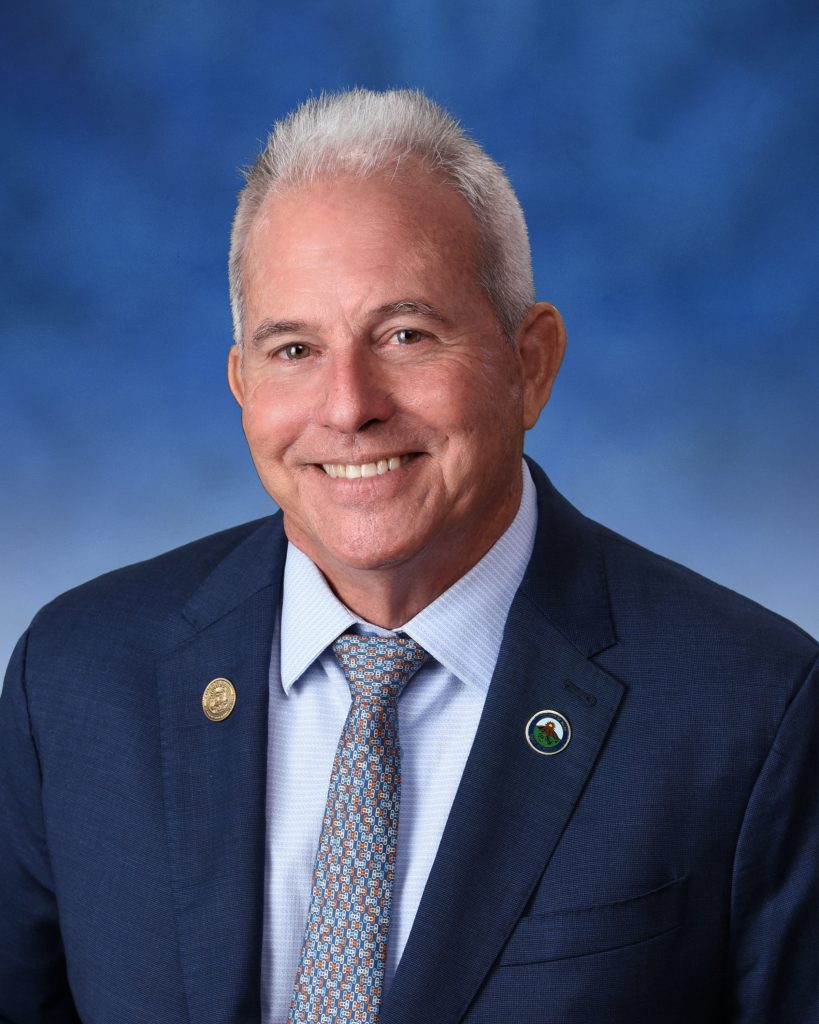
Op-Ed: Why I voted ‘No’ for Bill 9 (2025)
by Tom Cook, Council Member, South Maui residency area
Today, the Council voted to pass Bill 9 (2025) on second and final reading. The bill now heads to the Mayor for signature and enactment. Once the Ordinance takes effect, the amortization period, three years for West Maui and five years for South Maui and remaining districts, will begin. This legislation represents one of the largest land-use and economic shifts Maui County has considered in decades, with significant implications for housing availability, employment, tax revenue, and the broader visitor industry in our County.
My NO vote today WAS NOT a vote against housing. It was a vote against a policy that divides our community, weakens our economy, and harms working families; all without guaranteeing a single new home for our local residents. If we damage our economy, we will only push more local families to leave their island home.
I want to be clear: we urgently need housing solutions in Maui County. But the solutions must be smart, balanced, and grounded in evidence. A responsible plan would include economic safeguards, worker-protection strategies, incentives for real long-term housing conversion, affordable housing commitments, a transition timeline that does not destabilize our economy, and transparent coordination with businesses, unions, and resident groups. Bill 9 does not address any of these protections.
When I ran to represent the people of South Maui, I promised to lead with balance, fairness, and compassion. I promised to listen. After months of testimony, community meetings, emails, and heartfelt conversations with residents from every walk of life, I voted NO on Bill 9; not because I deny the urgency of our housing crisis, but because this bill, without a responsible plan, divides our community and exposes our community to serious economic harm.
Over the past several months, one of the most painful things for me has been watching neighbors turn against neighbors. Bill 9 has contributed to tensions that are affecting the social fabric of Maui County. Instead of bringing us together to address a shared crisis, the bill has pitted residents, workers, and property owners against each other. In my own community, I’ve seen friendships strained, workplaces disrupted, and community groups fractured. Good people have been vilified for simply trying to preserve their livelihoods.
Some say the economic impacts will come later, but I already see and feel the effects in my district. I’ve spoken with housekeepers, landscapers, maintenance workers, cleaners, small business owners, and property managers who have had their hours cut, their contracts canceled, their positions eliminated, and their clients pulled back out of fear. These impacts are happening today; and many of the workers losing income are the same local families we all say we want to help.
Earlier this year, the University of Hawai‘i Economic Research Organization (UHERO) released a detailed analysis noting that a phase-out of vacation rentals could have significant effects on jobs, spending, and tax revenue. The report emphasized that such a policy should be implemented with careful planning to manage potential economic impacts. While the County has begun discussions around these issues, there is currently no formal transition plan, job protection strategy, or comprehensive approach to support small businesses and displaced workers. Moving forward with a bill of this magnitude without any mitigation plan is, in my view, irresponsible governance.
These findings, while important, highlighted that a responsible phase-out plan would need far more safeguards and protections than what the current bill provides. It is from this context that I cast my vote today.
Because of the potential magnitude of these impacts, the Council formed the Bill 9 Temporary Investigative Group (TIG), which I served as a member. After a few weeks of meetings with County Departments, subject-matter experts, property owners, and site visits, the TIG concluded that while the economic impacts of a phase-out are difficult to predict, they could be significant; particularly for visitor-related employment and County revenue. Any potential increase to our housing inventory would solely depend on whether these units are actually attainable for our local residents, and not increasingly accessible or enticing to outside investors.
To assist in addressing the potential impacts, the TIG unanimously recommended to establish a H-3 and H-4 Hotel District and Council-initiated Change in Zoning (CIZ) for properties that were identified to continue its allowed Transient Vacation Rental (TVR) use. Furthermore, on the upcoming Council agenda, I will be introducing the Resolution which will refer a proposed bill to establish the H-3 and H-4 Hotel District to the Maui Planning Commissions for review and recommendation. This proposal further verifies the commitment provided by the TIG through its recommendations.
Maui County deserves a housing plan that protects residents and jobs; a plan built on evidence, not division; on compassion, not punishment; and on thoughtful solution, not political urgency.
We can do better…we must do better.
Voting NO on Bill 9 was, for me, the only way to honor my responsibility to the people I serve.
Works Cited:
- University of Hawai‘i Economic Research Organization (UHERO). An Economic Analysis of the Proposal to Phase Out Transient Vacation Rentals in Maui County Apartment Districts. Honolulu: UHERO, March 31, 2025.
- Uʻu‐Hodgins, Nohelani, chair. Temporary Investigative Group on Transient Vacation Rentals in Apartment Districts: Final Report. Report presented to the Housing and Land Use Committee, Maui County Council, Oct. 14, 2025.
About the Author:
Tom Cook is the chair of the Maui County Council’s Water and Infrastructure (WAI) Committee. He holds the council seat for the South Maui residency area. Go to mauicounty.us/cook for more information.
*****Views expressed in Op-Ed pieces are those of the author’s alone and do not reflect or represent the opinions, policies or positions of Maui Now.*****
Sponsored Content