HIDOE announces new Kaiapuni priority placement process to support growing demand
The Hawaiʻi State Department of Education announced that a new, statewide priority placement process for Kaiapuni Education (Hawaiian language immersion programs) will open on Feb. 2, 2026, marking an important step toward greater consistency, clarity and equity for families seeking Kaiapuni options for their children. The application window will close March 13, 2026.
The new placement process is part of interim guidance recently issued by the Department’s Office of Hawaiian Education to bring greater consistency to Kaiapuni enrollment statewide. The guidance is intended to provide clear, near-term direction for schools and families while the Department develops a longer-term strategy to expand access and strengthen support for Kaiapuni Education.
The new process applies to elementary-level Kaiapuni programs statewide and provides families with a centralized way to request placement, while helping schools better plan for enrollment amid continued growth.
Kaiapuni Education has expanded significantly over the years. Today, 26 Kaiapuni programs operate statewide within public schools, along with two K-12 standalone Kaiapuni campuses, serving a total of approximately 2,700 students. Interest from families continues to be strong, reflecting the value placed on Hawaiian language and culture as a foundation for learning.
Until now, individual schools have largely managed Kaiapuni enrollment and growth on their own. While this local approach allowed programs to expand, it also resulted in inconsistent enrollment practices across campuses and, at times, uncertainty for families.
“This new priority placement process is about being clearer and more consistent with families, while honoring the integrity of Kaiapuni education,” Superintendent Keith Hayashi said. “As demand continues to grow, we have a responsibility to put better systems in place so families understand how placement works and schools have the support they need to plan responsibly.”
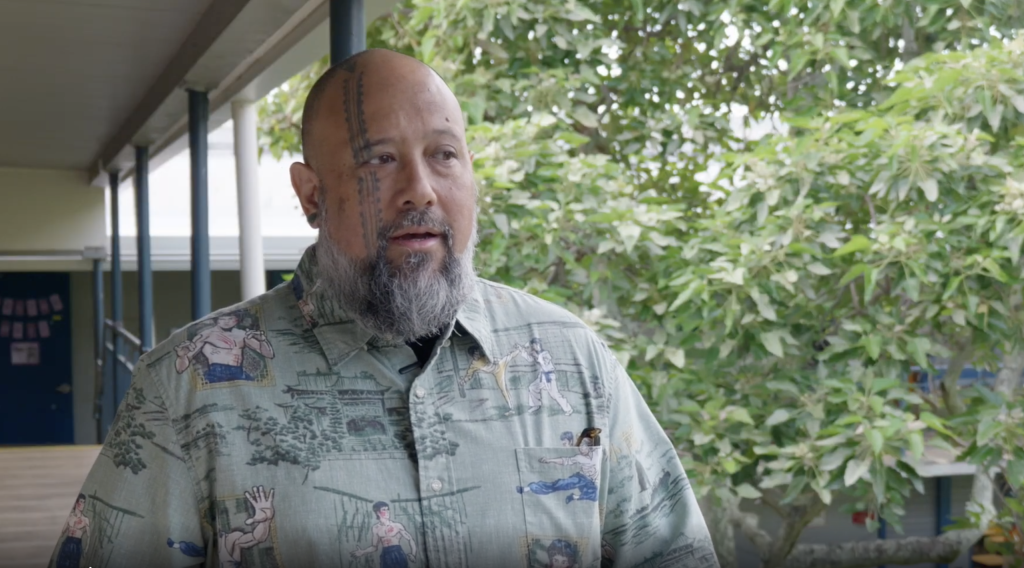
“I think over the years, as Hawaiian becomes more and more a part of households, we have graduates who’ve now become parents who are sending their kids to our school. So, we do see the interest growing every year,” said Babā Yim, poʻo kumu (principal), Ke Kula Kaiapuni ʻO Ānuenue.
“I think our program is based on an educational pathway that’s rooted in not just Hawaiian language, but Hawaiian culture and a Hawai’i perspective. I think the ʻike of this place, whether you’re Hawaiian or not, and you call this place home, having an educational foundation based in the knowledge of this place, I think it is very important in creating people who become caretakers of this place. Caretakers of not just the language, but the cultural knowledge and all those things that go along with it,” Yim said.
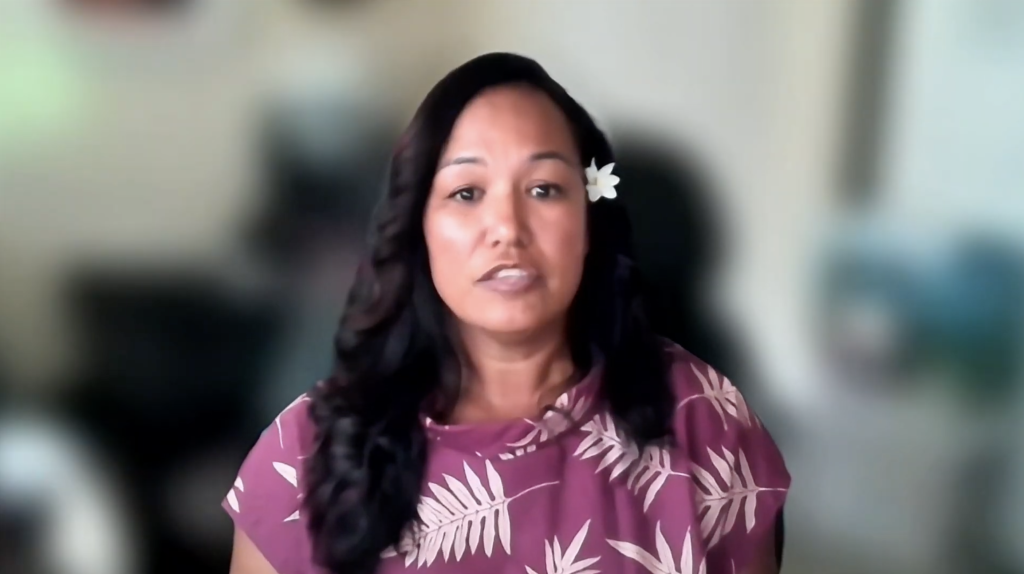
“So we have communities who have been waiting for years for a teacher to come and teach and start their program. And so for those communities who are thinking about having a Kaiapuni program, in your planning, you should also think about the best way to grow speakers in your community,” said Kananinohea Mākaʻimoku, alumna of Ke Kula ʻO Nāwahīokalaniʻōpuʻu and parent of a student attending the Hilo Kaiapuni campus.
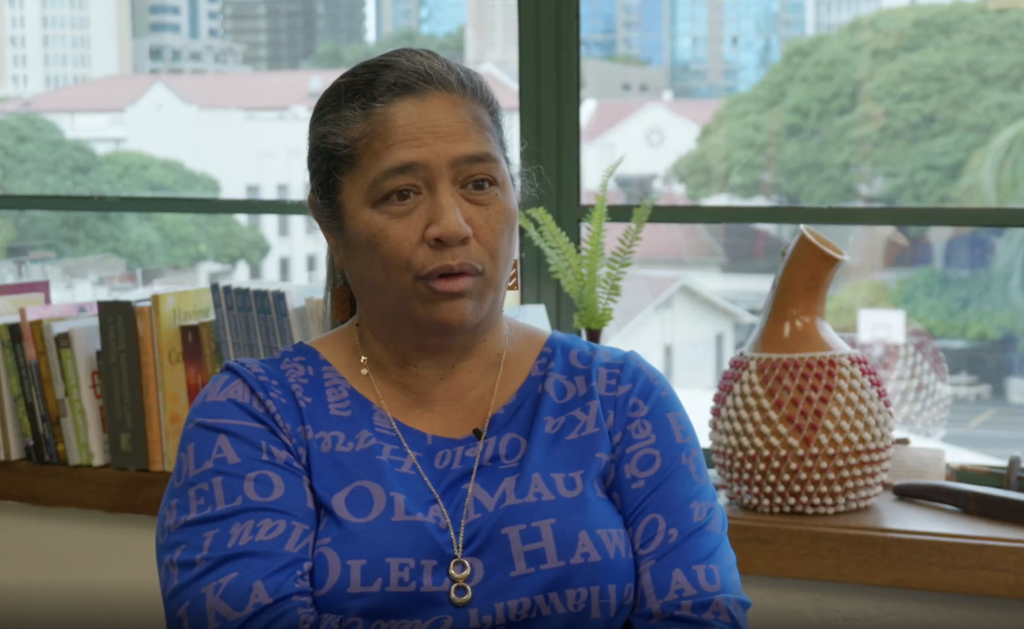
“It’s a centralization of the enrollment process in order to help the Department make data-informed short-term and long-term decisions on how to address supply and demand issues that we’ve been facing and it also offers us an opportunity to provide clarity and transparency of process for our families and for our schools and our program staff at schools,” said Kauʻi Sang, director, Office of Hawaiian Education, Hawaiʻi State Department of Education.
“When families select to enroll their children in a Kaiapuni learning environment, they should expect that the students are fully immersed in ʻōlelo Hawaiʻi for the entire learning experience, from when they drop their kids off in the morning until they pick their kids up in the afternoon,” said Sang.
The new placement process reflects the Department’s commitment to sustainable growth in Kaiapuni Education. While interim guidance helps bring consistency to enrollment statewide, longer-term planning is focused on building capacity — including recruiting and preparing more Kaiapuni teachers — and addressing facilities and transportation needs.
More information about the Kaiapuni priority placement process, including timelines and family resources, is available at https://go.hidoe.us/kaiapuni-enrollment.
What families should know
- The Kaiapuni priority placement process opens Feb. 2, 2026.
- It applies to new enrollment and transfers to elementary Kaiapuni programs statewide, as well the two K-12 Kaiapuni schools (Ke Kula Kaiapuni ‘O Ānuenue and Ke Kula ‘O ‘Ehunuikaimalino).
- It is centralized and coordinated by the Department’s Office of Hawaiian Education.
- It uses clearly defined priority categories to promote transparency and equity.
- It does not guarantee placement at a specific campus, but ensures families are considered through a consistent, statewide process.
Sponsored Content