 Hawai'i Journalism Initiative
Maui’s overtourism hotspots Road to Hāna, Honolua Bay targeted for relief under new management plan
After residents across Maui identified a long list of places they feel are overrun, desecrated or disrespected by the island’s millions of annual visitors, the draft of the Hawaiʻi Tourism Authority’s latest destination management action plan has honed in on two priority hotspots: the Road to Hāna and Honolua Bay.
The draft also includes a third focus, the emerging problem area in rural Kaupō on the “Road Back to Hāna,” which is seeing more visitors traveling through the small town due to the paving last year of a portion of Piʻilani Highway.
The priorities were selected because “action is both urgently needed and actually possible over the three-year lifespan,” said Kendrick Leong, a planner with the Hawaiʻi Tourism Authority.
The draft of the 2026-2028 Maui Destination Management Action Plan was unveiled during a Feb. 18 webinar.
The previous destination management action plans for Maui and across Hawaiʻi were more sweeping in scope, in part to address the renewed backlash against overtourism following the COVID-19 pandemic shutdown that showed what the islands are like without visitors.
“A lot of lessons were learned,” said Caroline Anderson, interim CEO of the Hawaiʻi Tourism Authority.
Maui’s plan also factors in the ongoing recovery from the 2023 Lahaina and Kula fires, “both for communities still healing from profound loss and disruption, and for a visitor industry operating at a much smaller scale than before,” the draft said.
While visitor arrivals have fallen sharply since a record of 3.1 million in 2019, just before the pandemic, to more than 2.5 million in 2025, “this decline has not translated into a meaningful reduction in community strain,” the draft said.
While 70% of residents surveyed in 2025 by the state Department of Business, Economic Development and Tourism believe the island is run for tourists, finding a balance with visitors is important to the Maui economy, with visitor spending reaching $5.97 billion in 2025.
This time, the draft destination management action plan for Maui features a series of specific action items for the priority hotspots with a goal of getting them funded and completed in the next three years.
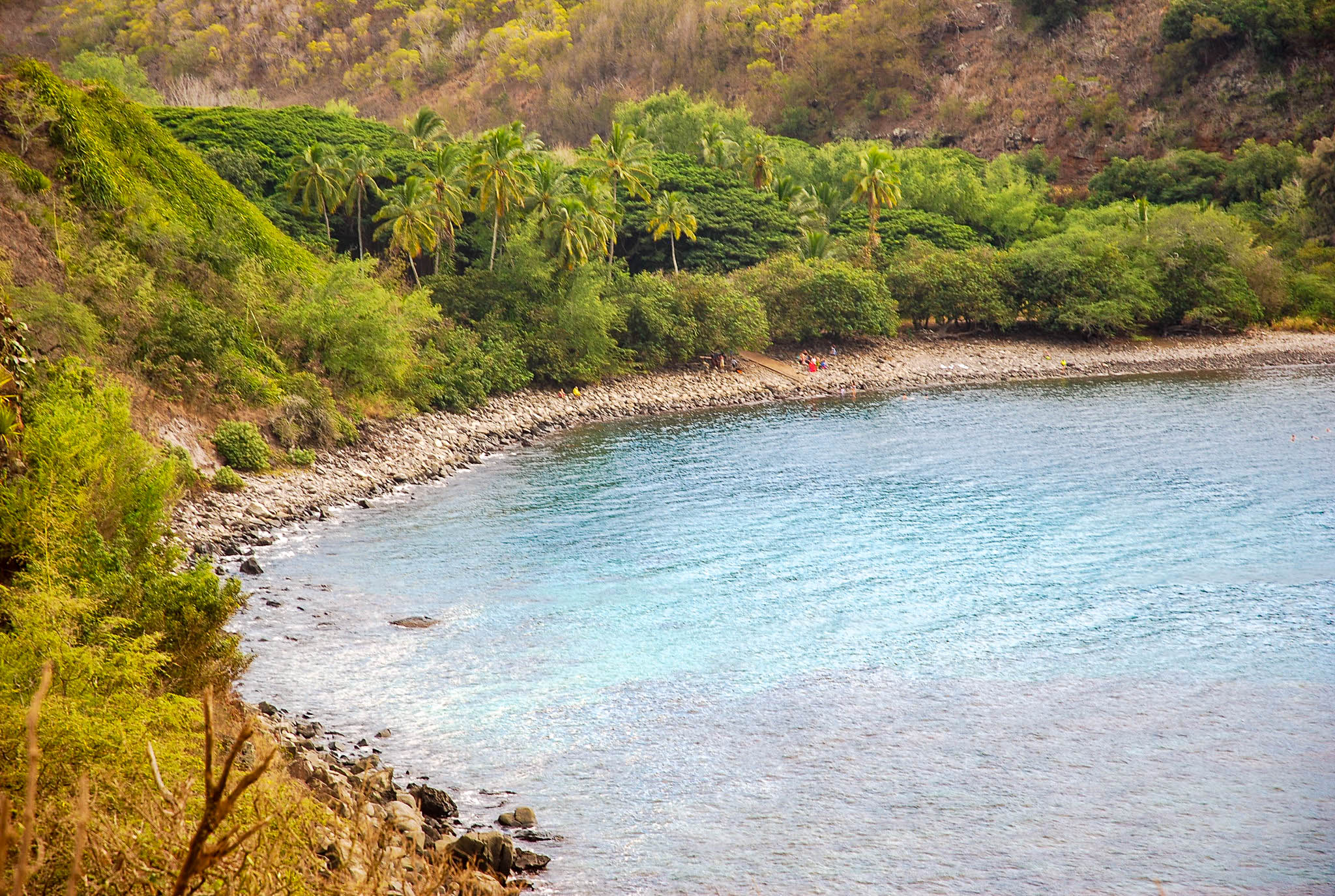
Honolua Bay, along with Līpoa Point, was an easy choice, with the 19-year-old Save Honolua Coalition already having done a lot of work to come up with its comprehensive Puʻuhonua o Honolua Cultural Sanctuary Plan, and because the organization is a willing steward.
Honolua Bay, on the west side of Maui, also is an important cultural site to Native Hawaiians and a sensitive environmental area that has long been strained due to too many visitors and commercial snorkeling boats, with many visitors simply not understanding the consequences of their impact.
“They clearly outlined their plan for community-led management and stewardship, reduced impact on natural resources, improved visitor orientation and education, the prevention of illegal parking, and then also ensuring community access,” said Meagan DeGaia, the Hawai‘i Tourism Authority’s destination manager for Maui and Lānaʻi.
So what’s the plan?
For starters, reduce the number of visitors by about two-thirds, from a high of about 1,200 a day that often occurs during the summer to about 400, said Save Honolua Coalition’s John Carty, one of the 27 members on the advisory group for the Maui Destination Management Action Plan.
This would be accomplished by the implementation of a parking, site reservation and shuttle service, similar to the successful program set up to limit congestion and parking issues at the popular Hāʻena State Park along Kauaʻi’s Nā Pali Coast.
Carty said that program reduced daily visitors by about two-thirds while improving their experience.
At Honolua Bay, some roadside parking would be eliminated with about 14 stalls available where it safe for local residents. In front of the trail there would be an area for pickup and drop-off for the shuttles and private vehicles.
Timed-entry reservations also would be used to “create reduced and more predictable visitor flow,” DeGaia said.
Also part of the plan is strengthening visitor education through development of a cultural trail from the road to the bay.
“Imagine visitors have arrived at the bay by shuttle,” said DeGaia. “Visitors would then be led down a cultural corridor by a Save Honolua paid steward. … Visitors would then learn the cultural and ecological history of the area before being given access to snorkeling.”
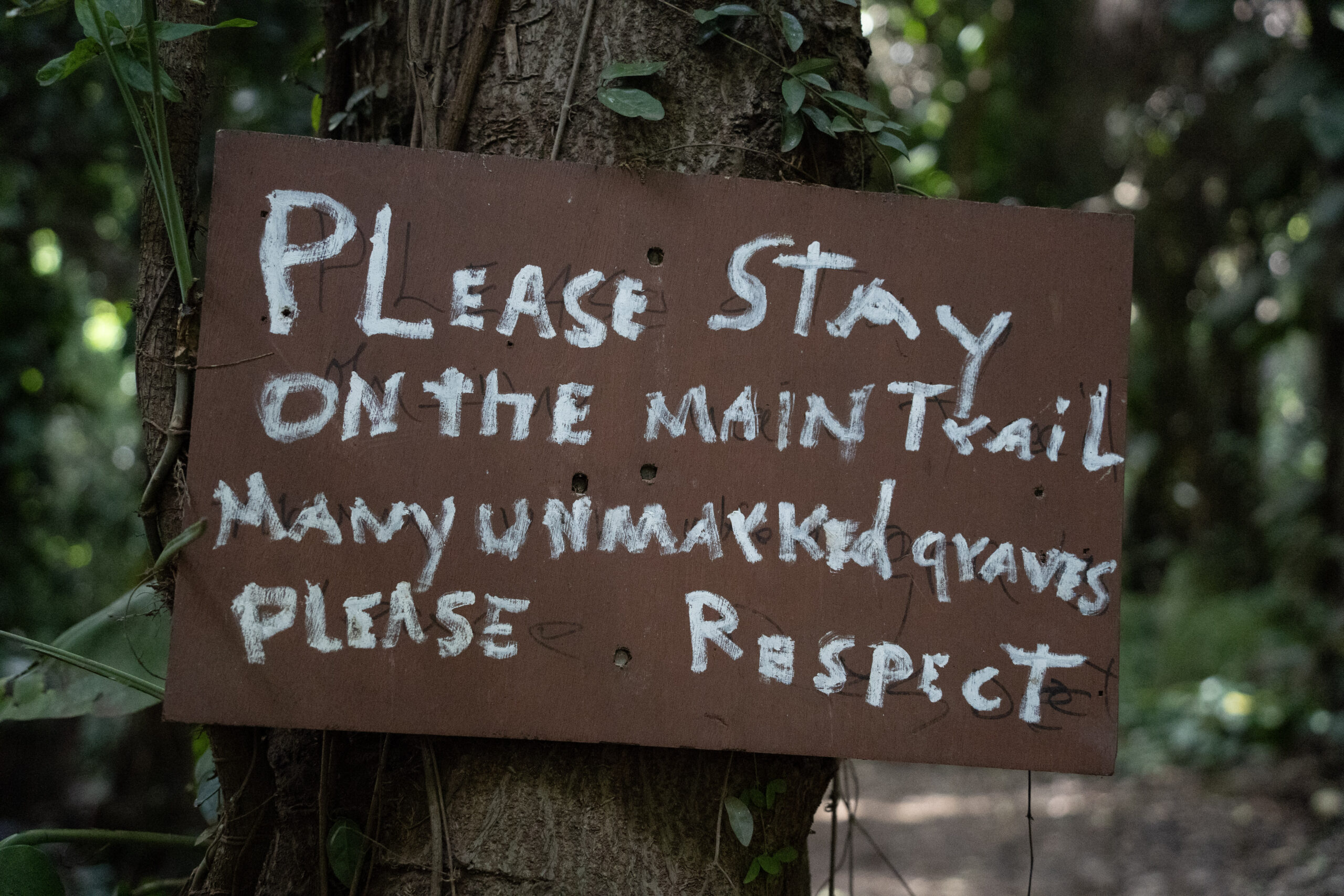
Carty said the valley is a “very culturally sensitive area, so we’re even going to rethink that trail and get ground-penetrating radar and work with lineal descendants of the area.”
At the shore, another steward would talk about the marine and shoreline resources. DeGaia said those stewards would know when the snorkel boats arrive and paddle out to them to provide the same orientations before they get into the water.
“Visitors will be managed and oriented every step of the way so that they’re clear about where they are and what’s appropriate,” DeGaia said.
The goal is for state funding to provide seed money to get the parking and shuttle service up and running through the three years of the plan, with it becoming self-sustaining afterward through the reservation system.
With this management, Carty said it also will enable parts of Honolua to be set aside for people from our community to feel comfortable to come and reconnect.
“That’s especially important to us after the (2023 Lahaina) fire because Honolua is considered a very sacred and powerful place in the culture and a place of healing,” he said.
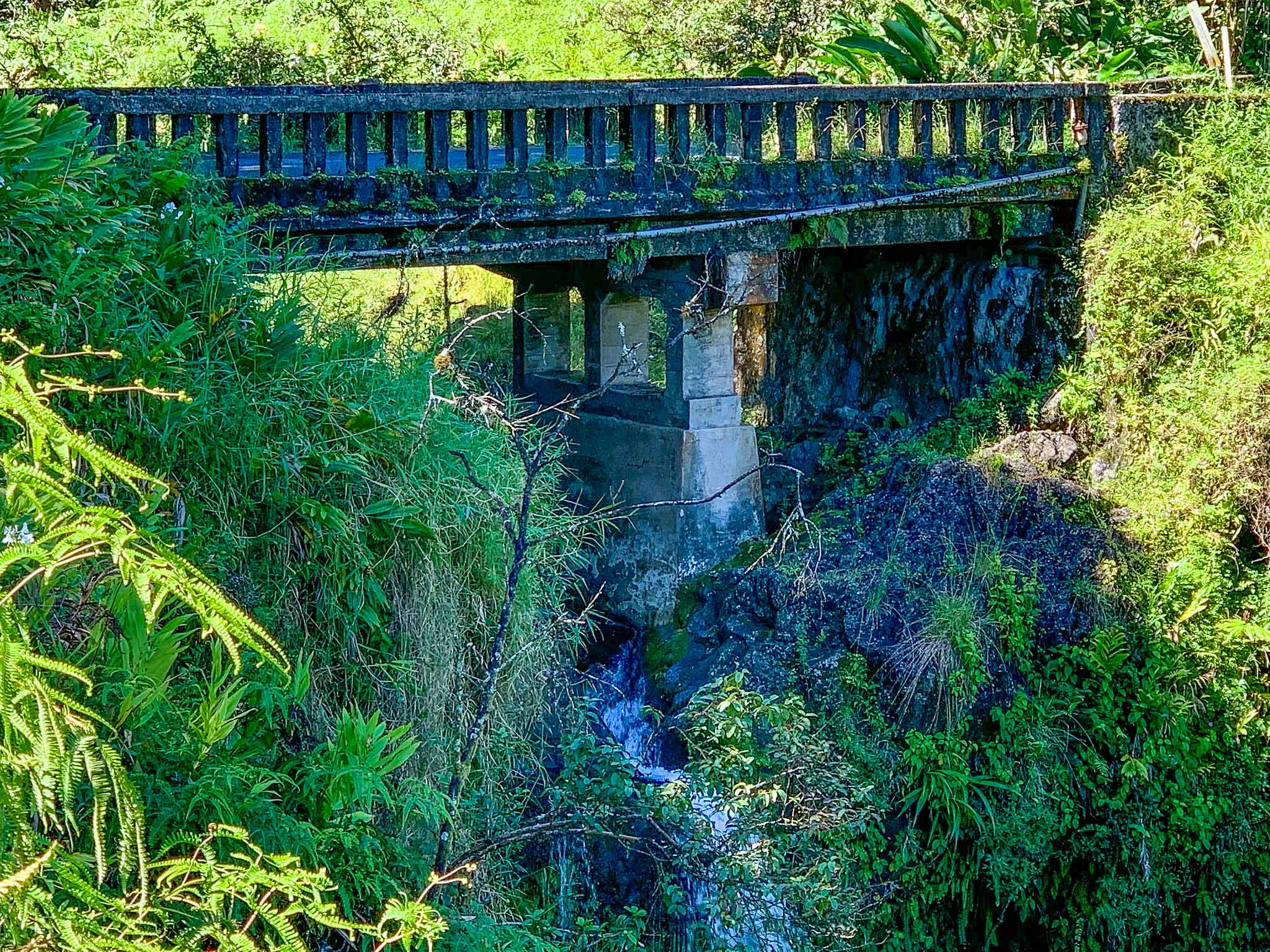
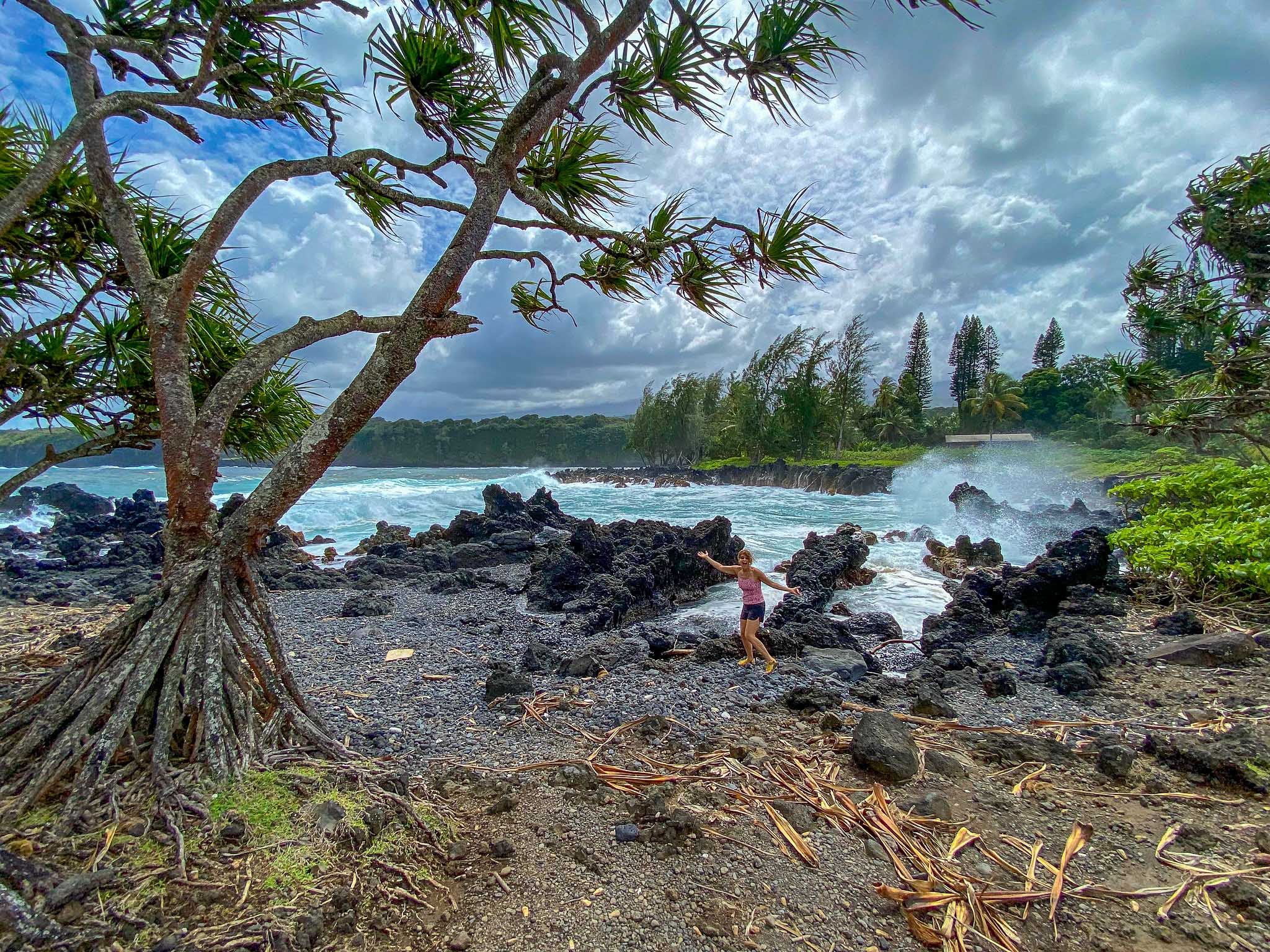
For the Road to Hāna, one of Hawaiʻi’s most iconic travel routes that draws visitors worldwide, there is a holistic corridor-wide approach to manage safety, access, stewardship and other visitor-related impacts, DeGaia said.
One action calls for installing community-designed, no-access signs at Naʻiliʻili Haele, also known as “Bamboo Forest,” a popular short trail to waterfalls and pools.
“While residents not from East Maui want to continue to access this hike, access here is trespassing on private property (owned by Mahi Pono),” DeGaia said. “This action has been included in the draft plan because both resident mental health and visitor safety are serious concerns.”
DeGaia said the narrow roadway, the blind turns, and people walking in the street creates ongoing stress for residents who use this road, especially kūpuna. She also said during the past 10 years there have been 35 rescues at this trail.
During the Malama Maui Hikina pilot program, funded by the Hawaiʻi Tourism Authority during the first Destination Management Action Plan, active stewardship significantly reduced illegal parking and trespassing. But for the second plan, residents advocated for the property to be properly secured to further prevent trail use.
Another action calls for the creation of a formal community-led stewardship of the Keʻanae Peninsula. This would require putting out a request for proposal for an organization to steward the area in key places to improve traffic flow, prevent illegal parking, reduce trespassing and improve safety along the ocean.
“Through boots-on-the-ground stewards, visitors will be better oriented to where they are,” DeGaia said.
The plan for the Road to Hāna also includes a new certificate program for tourist guides. They would learn culturally accurate moʻolelo (stories), safety guidance and place knowledge. They also would be taught standards for respectful, safe, community-supported commercial activity along the road.
“This would be the first place-based certification of its kind and I’m really excited about the potential here for the first time having community and tour operators in the same room, finding common ground, and working together,” DeGaia said.
For better navigation of the road with 600 turns and dozens of one-lane bridges, more signs would be added to alert motorists about what is up ahead, including pull-outs and bathrooms. Signs would also let them know throughout the road that it’s appropriate to let others pass if they’re driving slow. For residents, the road is not an attraction but the way they travel to work, school, essential services and family.
“It’s clear that one of the reasons visitors have such a challenging time driving the Hana Highway is because it’s unlike any other road that they’ve ever been on,” DeGaia said. “To them, as they experience it, it’s unpredictable. It’s not obvious where the next pull-out is.”
At the Kaumahina State Wayside, the plan calls for a pilot program in which a host would proactively provide information about driving etiquette and responsible visitor behavior. It’s deemed a good location because many visitors stop there to use the restroom, stretch their legs and see the views, and it is before the Keʻanae Peninsula.
The third priority is Kaupō due to the paving of the road last year leading to more visitors and tour operators driving this road to return to other parts of Maui instead of backtracking on the Road to Hāna. And, they are driving at higher speeds.
“There are blind hills on this road in a very remote, difficult-to-access rural area, and so this is quite dangerous,” DeGaia said.
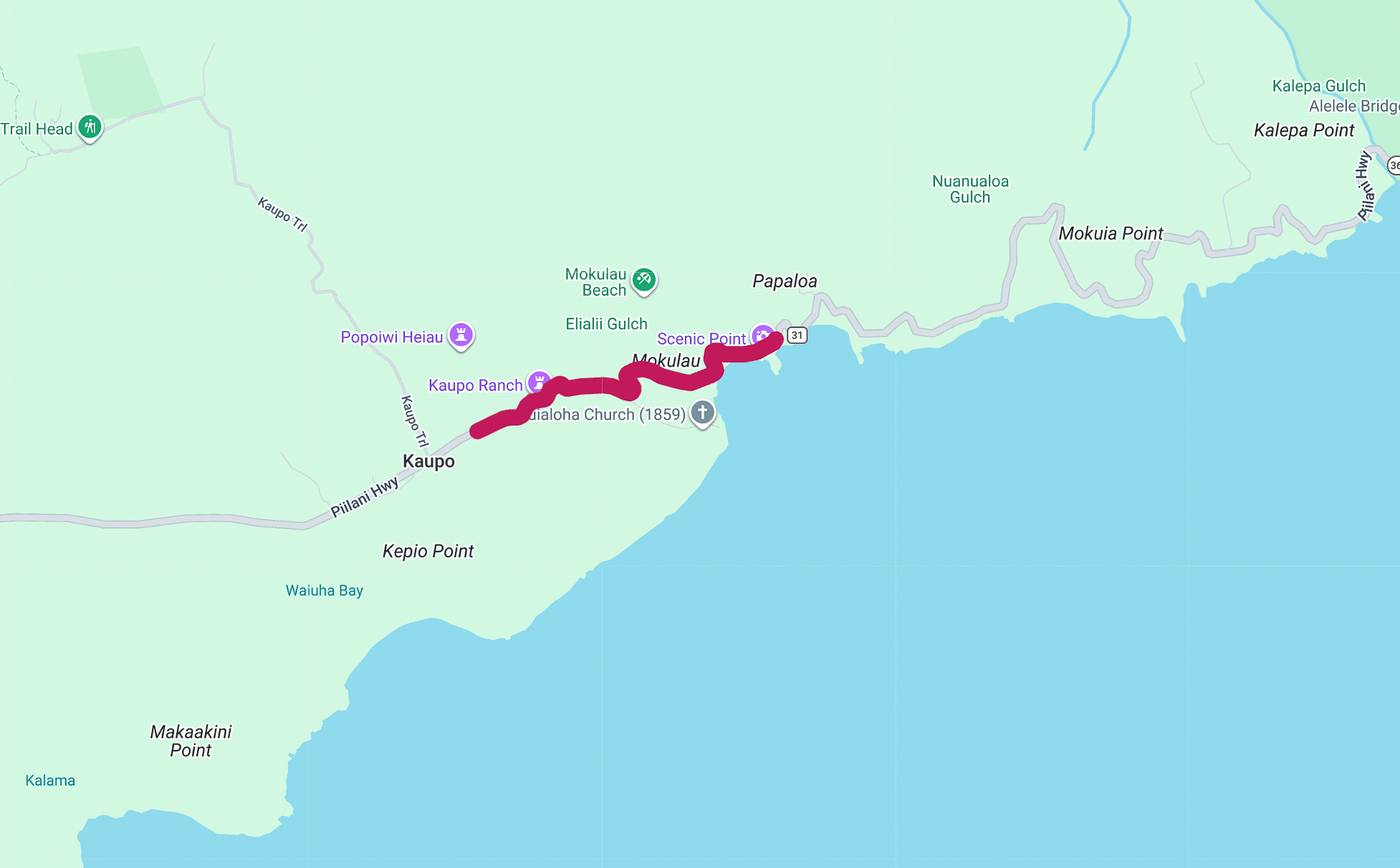
One action calls for adding a stop sign with flashing lights that are linked to sensors to inform road users when oncoming traffic is on the other side of the hill. The goal is to prevent head-on collisions. Since the paving, there has been increased near misses, collisions and a fatal accident near Mile Marker 36.
With a small group of Kaupō residents hoping to renovate the historic general store, the Hawaiʻi Tourism Authority would work with tour companies to support the local business.
The public has until midnight Monday, March 2, to provide comments, with the final plan expected to be completed by March 16.
The goal is to have the board of the Hawaiʻi Tourism Authority review the final draft by the end of March, with a final plan publication by the end of April. The State Legislature needs to approve funding to make the actions possible.