

Hōkūleʻa, Hikianalia to adjust Moananuiākea voyage due to El Niño pattern
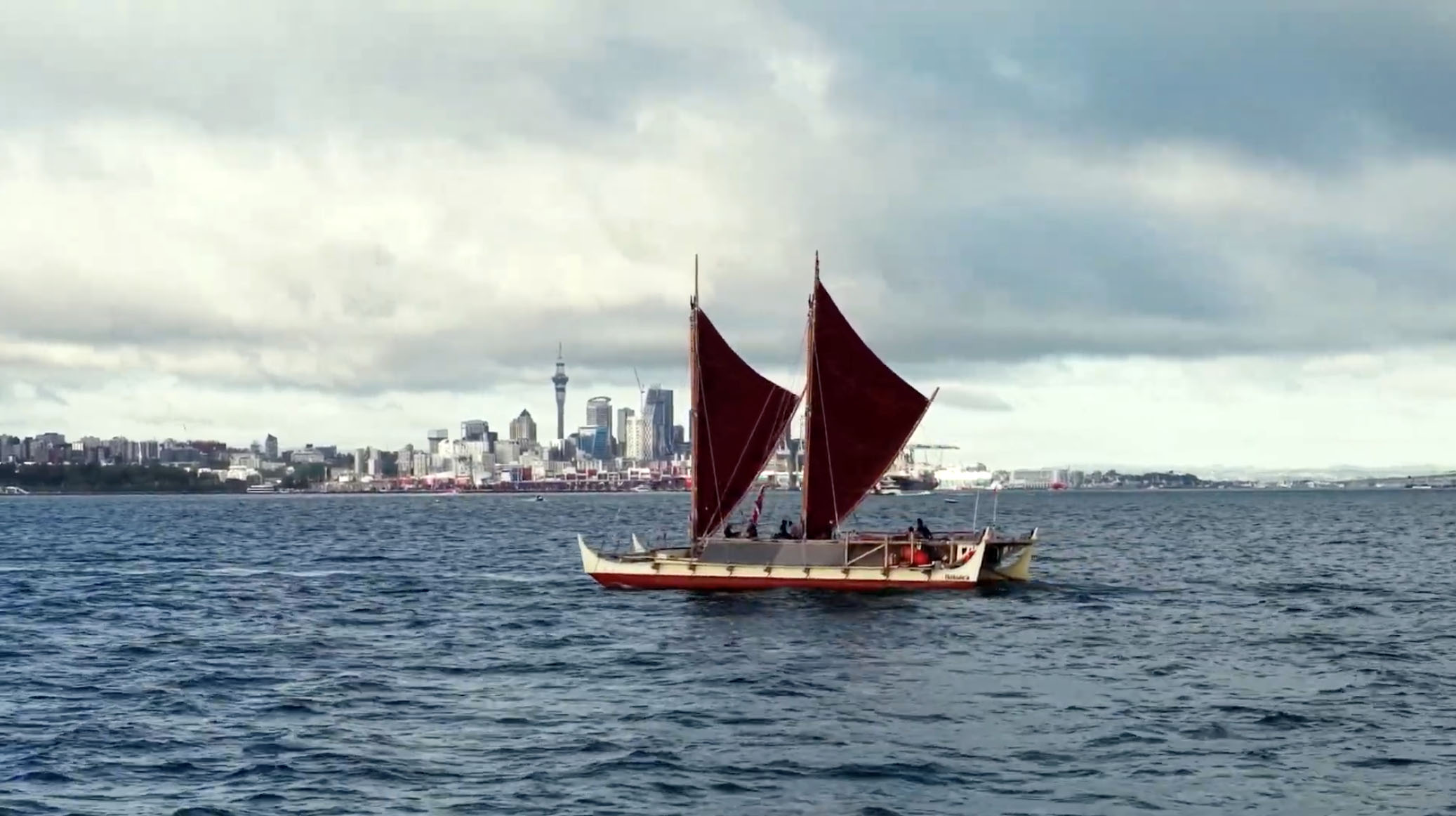
Hōkūleʻa and Hikianalia will adjust the next phase of the Moananuiākea voyage in response to evolving ocean and weather conditions linked to a developing El Niño pattern in the Pacific Ocean.
The voyaging canoes have spent the past six months in Aotearoa (New Zealand), where crews have been waiting out the South Pacific hurricane season while continuing leadership, safety, and heavy-weather training.
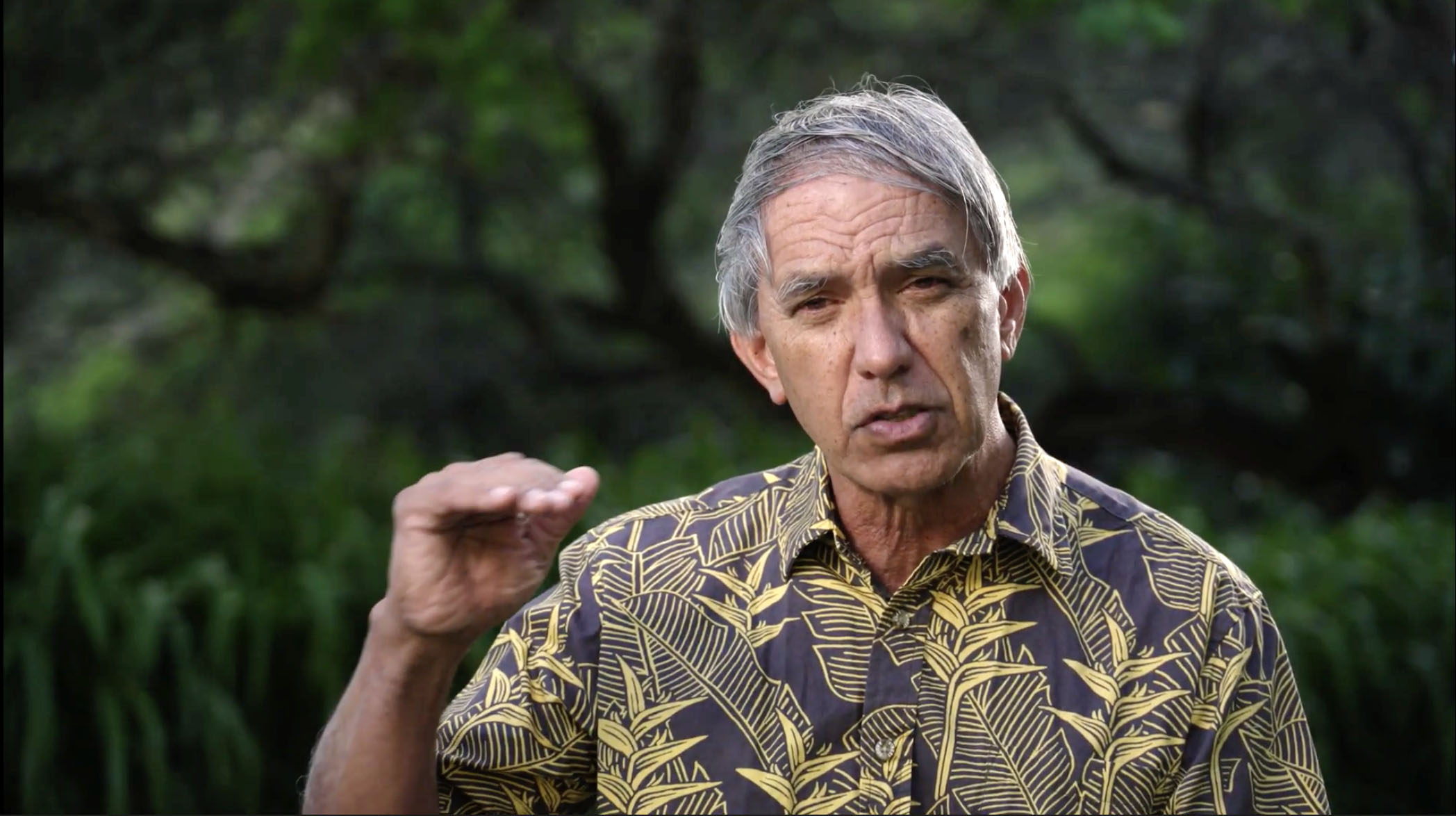
According to Pwo Navigator and Polynesian Voyaging Society CEO Nainoa Thompson, current global weather conditions and ocean forecasts require the voyage to adapt.
“Our sail plans are based on our historical knowledge and understanding of the general weather patterns in the Pacific,” Thompson said. “This year is turning out to be anything but general, average or usual. It’s really quite different.”
The Polynesian Voyaging Society now plans to depart Aotearoa during the third week of August 2026, with the intention of sailing north to Tonga, American Sāmoa, Sāmoa, and Fiji, arriving in Fiji around mid-October to participate in Pre-COP, an international ocean protection gathering held approximately one month before the annual United Nations Climate Change Conference.
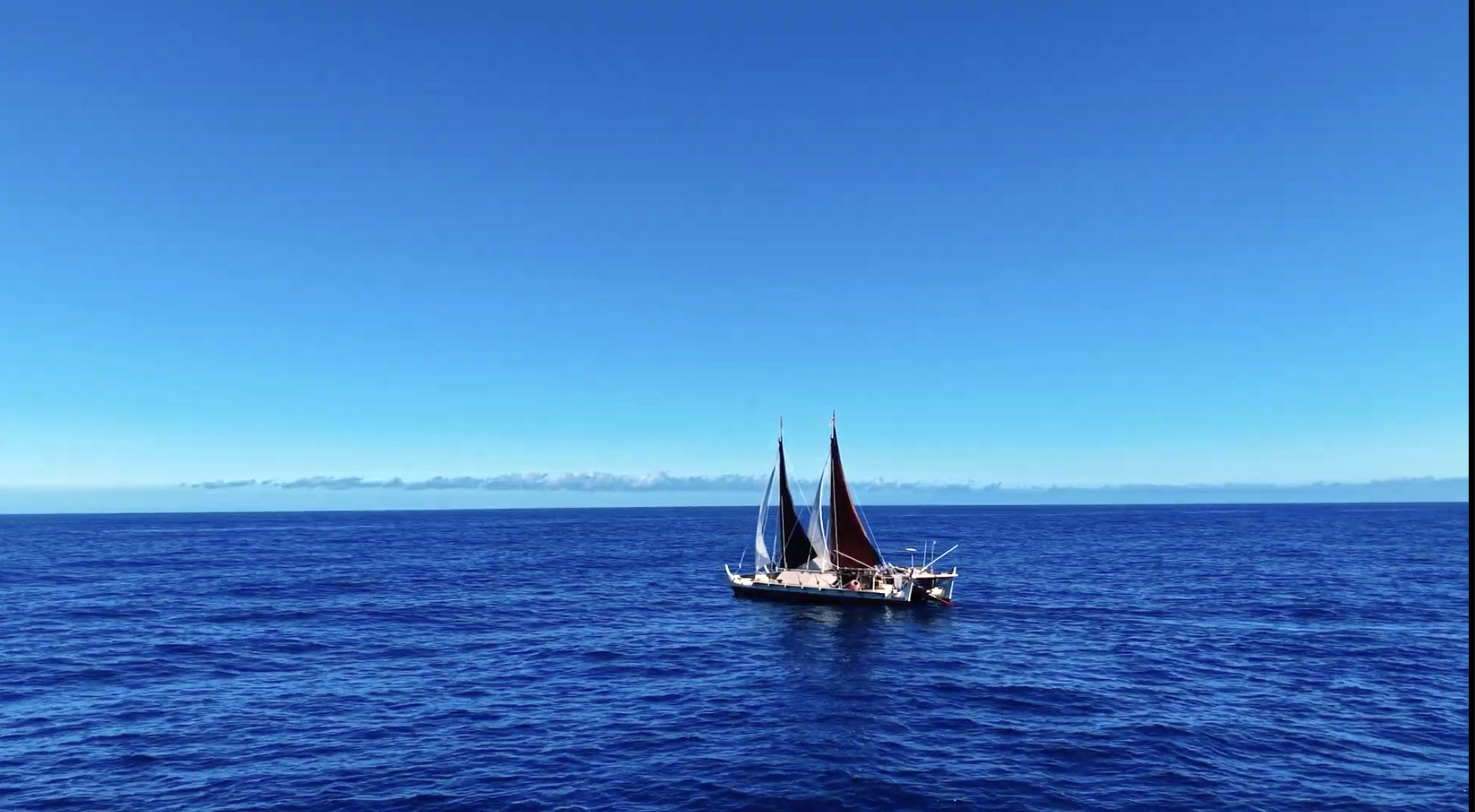
The Polynesian Voyaging Society emphasized that all future routing decisions for its circumnavigation of the Pacific Ocean will continue to be guided by safety, environmental observation, and evolving climate forecasts.
“Our sail plan is going to be adjusted to what nature allows us to do,” Thompson said. “The world is changing. It’s getting hotter, and it’s changing us, and we’re going to have to adjust to that change. We’re going to have to adapt to that change.”
According to forecasts from the National Oceanic and Atmospheric Administration (NOAA) and international climate models, the Pacific is expected to transition from ENSO-neutral conditions into a significant El Niño event later this year. Strong El Niño conditions can alter trade winds, increase storm instability, create large windless zones in traditional sailing routes, and elevate the risk of tropical cyclones across parts of the Pacific.
Leaders said the greatest concern centers on long ocean passages north and west of Fiji later in the voyage, where unstable weather systems, weakened trade winds, and expanding storm zones may create unsafe conditions for deep-sea voyaging canoes.
“On the canoe, we choose to pay respect,” Thompson said. “We choose to be humble. We choose to pay attention and make our decisions not based on what we say we’re going to do, but what the Earth tells us to do.”
The Polynesian Voyaging Society is asking partner islands, host communities, and supporters throughout the Pacific to remain flexible as voyage timing and destinations may continue to evolve over the coming months.
“We want all the islands and communities that are hosting and caring for our canoes and crews to understand that the original sail plan will most likely change,” Thompson said. “We are watching carefully, and we will continue making decisions based on safety and what nature allows.”
Voyage leadership will continue reviewing monthly NOAA and international climate forecasts throughout the year before determining whether the canoes will continue toward Japan in late 2026 or return temporarily to Aotearoa, which current research suggests may be the safest region in Polynesia during a strong El Niño cycle.
The Polynesian Voyaging Society emphasized that the adjustments are part of the deeper purpose of voyaging.
“This is not a delay. It’s not a setback,” Thompson said. “To me, it’s a stepping stone of learning.”
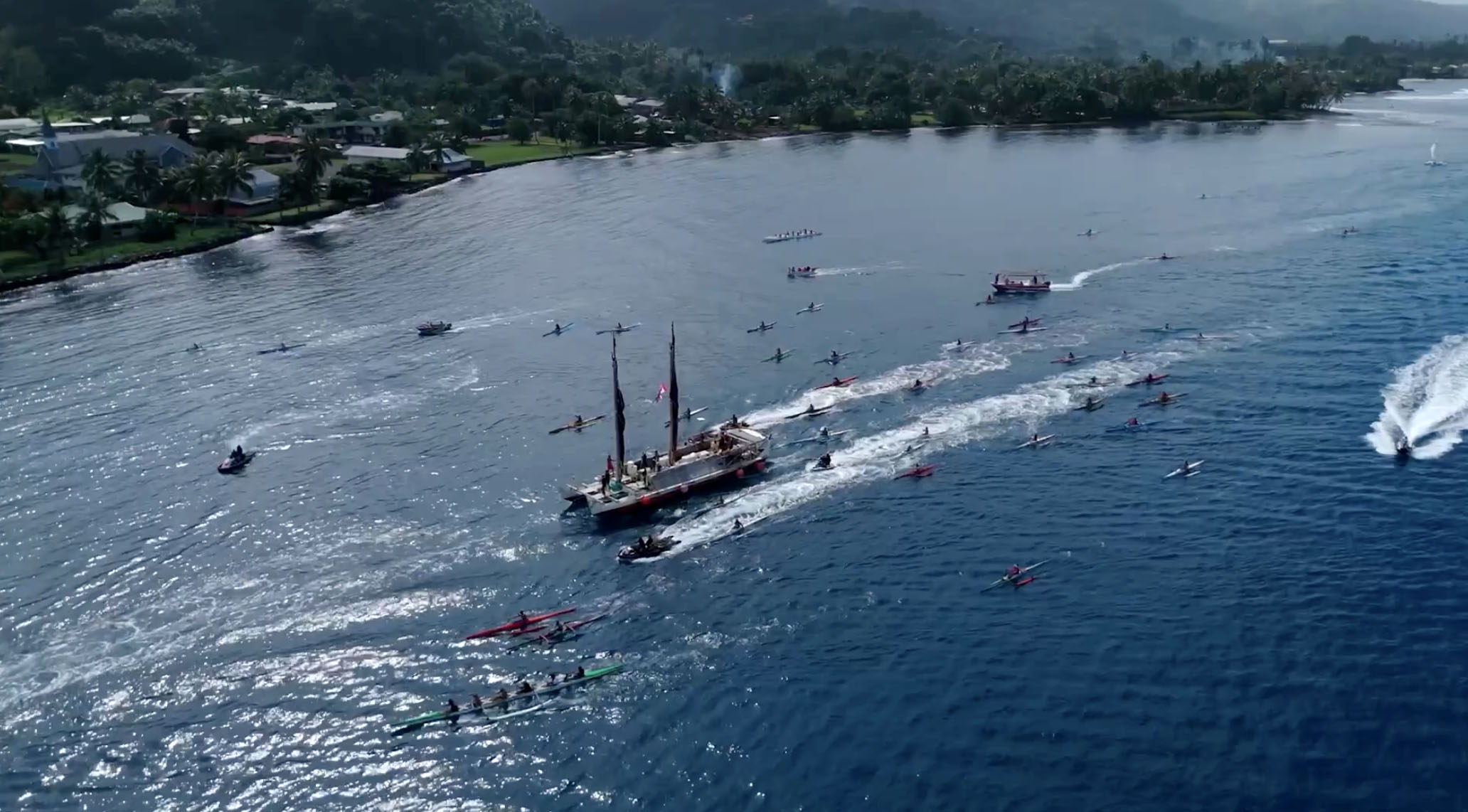
The Moananuiākea voyage launched in 2023 as a four-year circumnavigation of the Pacific by Hōkūleʻa and Hikianalia to connect with ocean communities, perpetuate ancestral knowledge, and inspire collective action to care for Earth’s oceans and future generations.
While in Aotearoa, crews continue active sailing and intensive training in winter ocean and weather conditions to prepare the next generation of voyaging leadership for the realities of navigating a changing planet.
“Hōkūleʻa has always challenged us,” Thompson said. “The more we learn about the Earth, the more we understand how much we still don’t know.”
Sponsored Content