Relocating the latest Waikīkī monk seal pup to protect natural behaviors
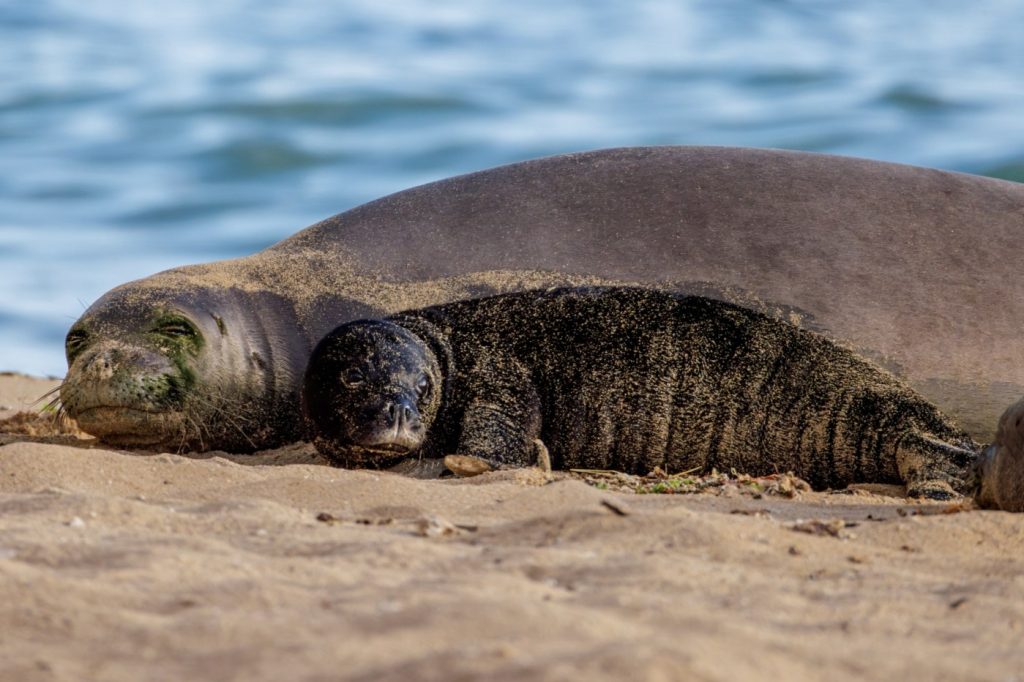
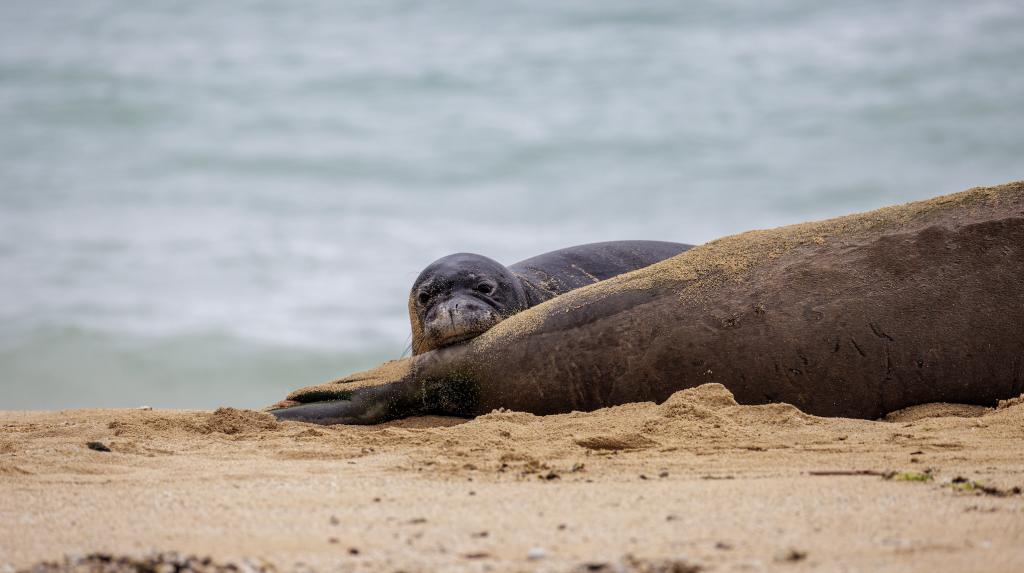
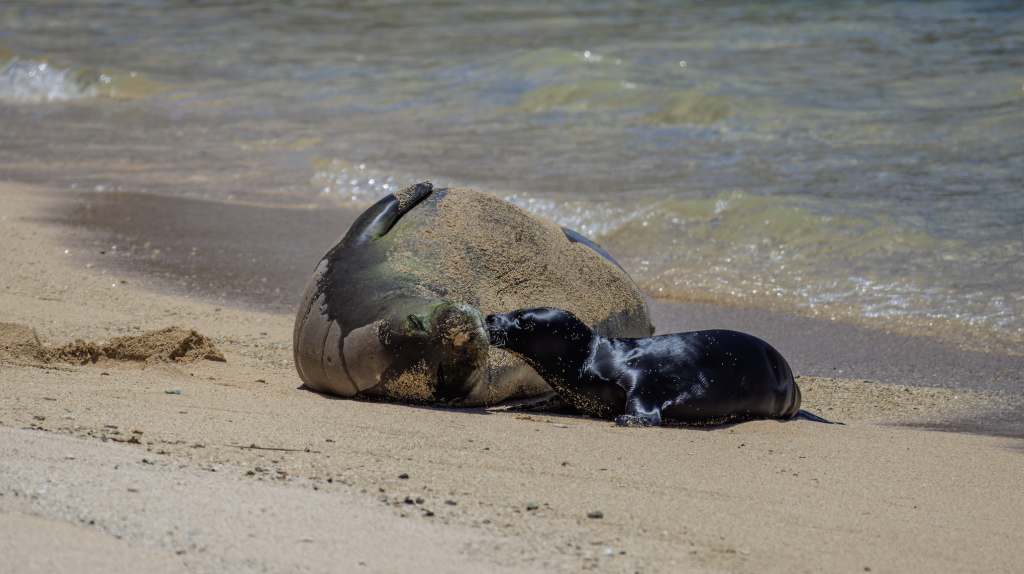
Kaimana Beach has been a nursing ground for the latest Waikīkī Hawaiian monk seal pup, born on May 3. Despite the busy energy of the surrounding area, the mom and pup pair have enjoyed a peaceful period, thanks to Hawai‘i Marine Animal Response, Hawai‘i Department of Land and Natural Resources, Honolulu Ocean Safety—and all of the beachgoers who chose alternative shorelines to give the pair the space they needed.
Mother seal RK96 (Kaiwi) is expected to wean her pup in the coming days. As the pup nears weaning age, crews are preparing to relocate young seal to a more remote O‘ahu shoreline.
Once weaning occurs, the mother naturally leaves, and the pup is completely on its own to learn how to swim, hunt, and navigate the ocean.
Why Relocation is Necessary
Kaimana Beach is one of the busiest beaches on Oʻahu. For a newly weaned pup, regular interaction with large crowds can be risky—and even life threatening to a young, impressionable seal, according to NOAA Fisheries.
Weaned seals must learn to interact with other seals and marine life, rather than becoming habituated (used to) people. Hawaiian monk seal pups are naturally curious. NOAA reports that relocating the seal to a quieter beach reduces the risk of dangerous human-seal interactions and will help it grow up safe and independent.
What’s Next?
Once the pup has officially weaned, a joint team will safely execute the relocation. For the safety of everyone involved NOAA will not be sharing the specific timing or operational details before the move. During the transition, the seal will receive a routine health check, a protective vaccination, and official tracking tags for monitoring the seal’s progress in its new home.
Partners and Community
“We are incredibly grateful to our partners and the community for actively protecting and monitoring the mother and pup over the last few weeks,” NOAA Fisheries reports. The organization gave special thanks to: Hawai‘i Marine Animal Response, whose volunteers provided daily monitoring and public outreach; the Hawai‘i Department of Land and Natural Resources, including Division of Conservation and Resources Enforcement conservation officers, who conducted essential safety patrols; and Honolulu Ocean Safety, whose lifeguards and park personnel shared critical safety messages with beachgoers.
NOAA also thanked the community for watching out for the pup, respecting the “nursery bubble,” and helping educate others.
How You Can Help
While the pup finishes nursing at Kaimana Beach, the public is asked to continue to show kōkua (support) by giving the mother and pup plenty of space—at least 150 feet—to ensure they remain undisturbed as the nursing period comes to a close.
Sponsored Content