DLNR prepares for 2026 wildfire and hurricane seasons
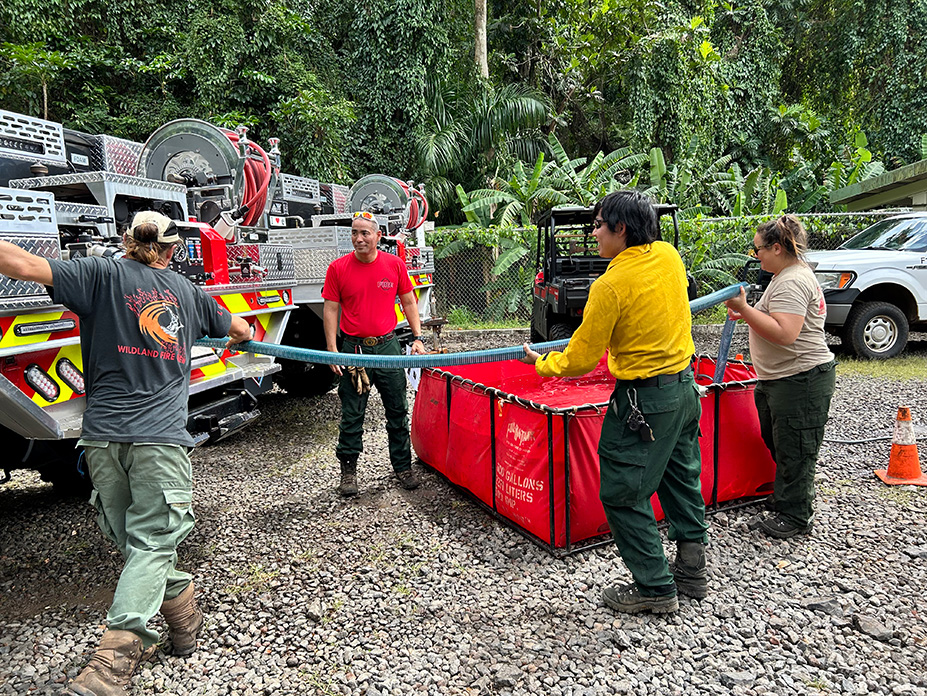
As Hawaiʻi enters the wildfire and hurricane seasons, the Department of Land and Natural Resources is strengthening its statewide readiness. Over the past year, DLNR’s preparedness and response capabilities have been enhanced with new equipment, expanded aerial firefighting support, ongoing vegetation management and increased coordination with partner agencies.
“Wildfire remains one of the most significant threats to Hawaiʻi’s communities, watersheds, native ecosystems and critical infrastructure,” said DLNR State Protection Forester Michael Walker. “In preparation for the upcoming season, the DLNR Division of Forestry and Wildlife has continued investing in resources that improve the state’s ability to rapidly detect, respond to and suppress wildfires across the islands.”
Among DLNR’s recent acquisitions for the Division of Forestry and Wildlife (DOFAW) firefighting fleet are 15 new wildland fire engines statewide. The engines provide increased capacity to deliver personnel, equipment and water to wildfire incidents, while improving firefighter safety and operational effectiveness.
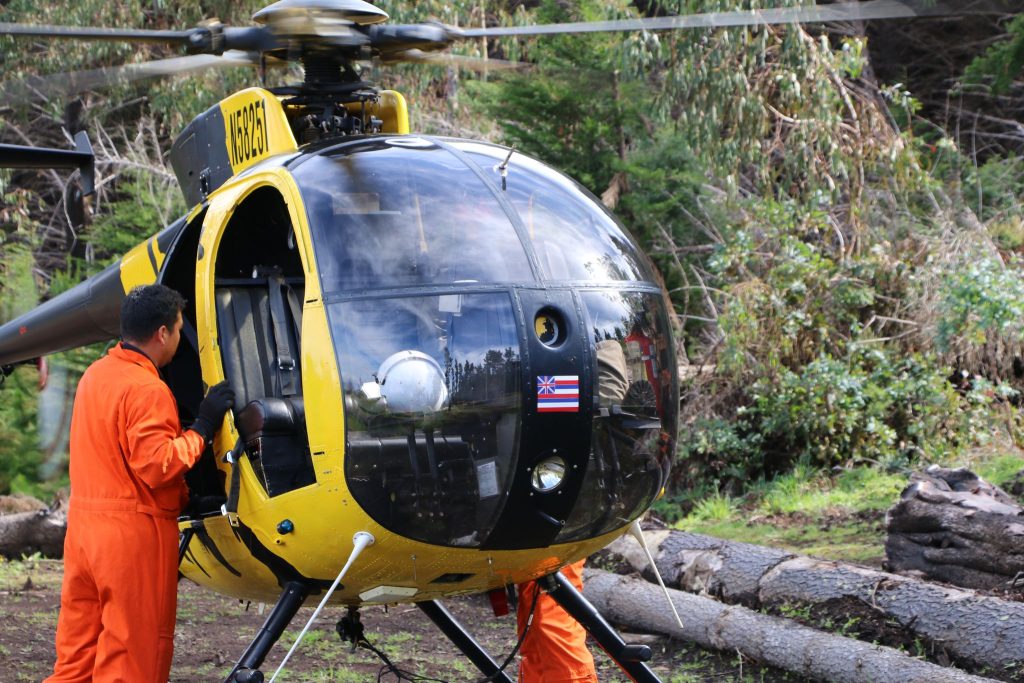
In addition to expanding ground-based resources, DOFAW personnel have been actively developing and improving water sources available for helicopter operations. These efforts include identifying, establishing and enhancing water-dipping locations that can be utilized by firefighting aircraft during wildfire suppression efforts.
Increasing the availability of aerial water resources helps reduce turnaround times for helicopters and improves the effectiveness of aerial firefighting operations, particularly in remote and difficult-to-access areas.
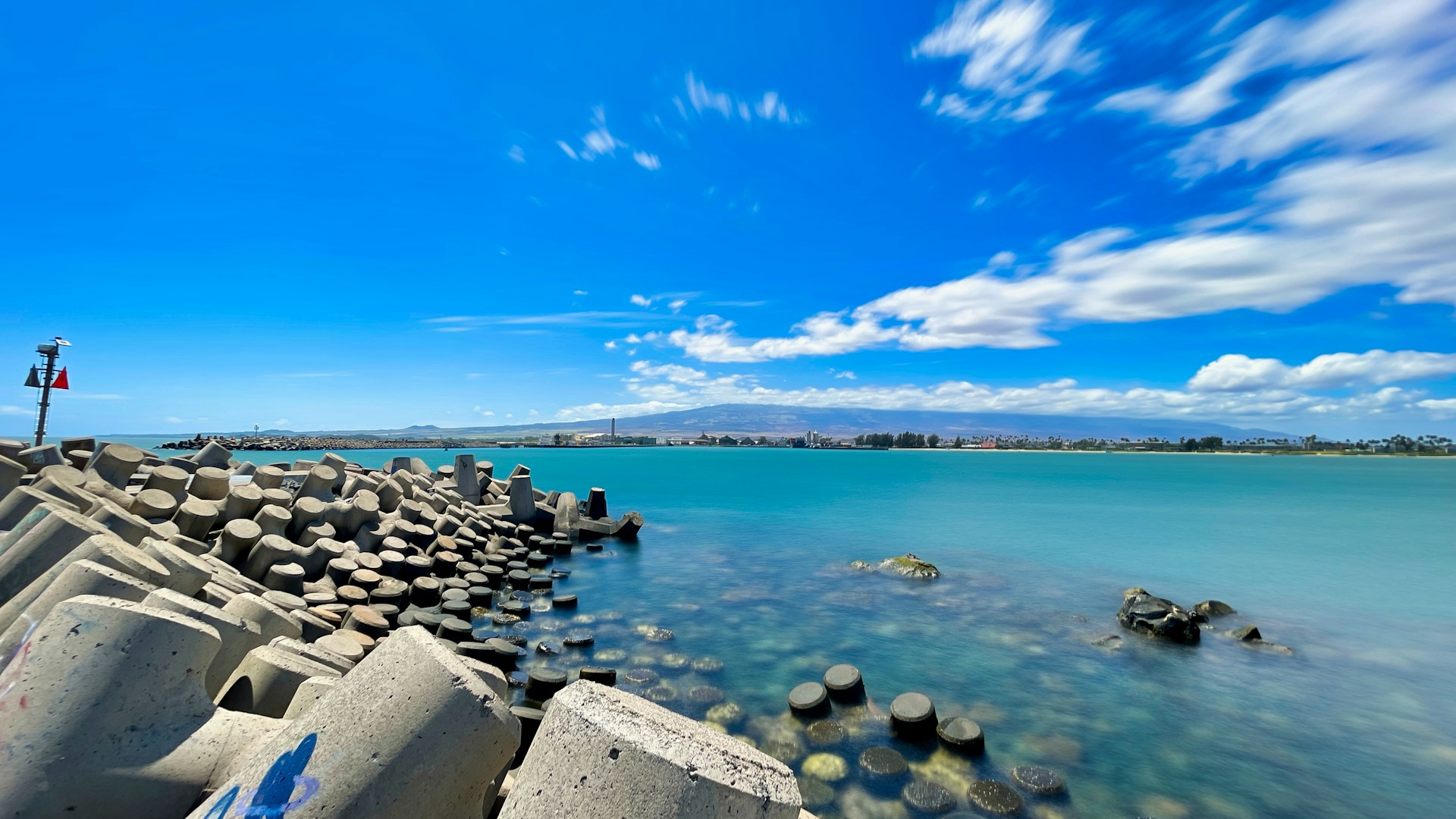
State parks and small boat harbors continue to reduce wildfire risk and improve firefighter access with routine removal of dry vegetation, invasive plant species and accumulated fuels that may spread wildfire. Focus areas include clearing defensible spaces around facilities, maintenance areas, parking lots and visitor-use areas.
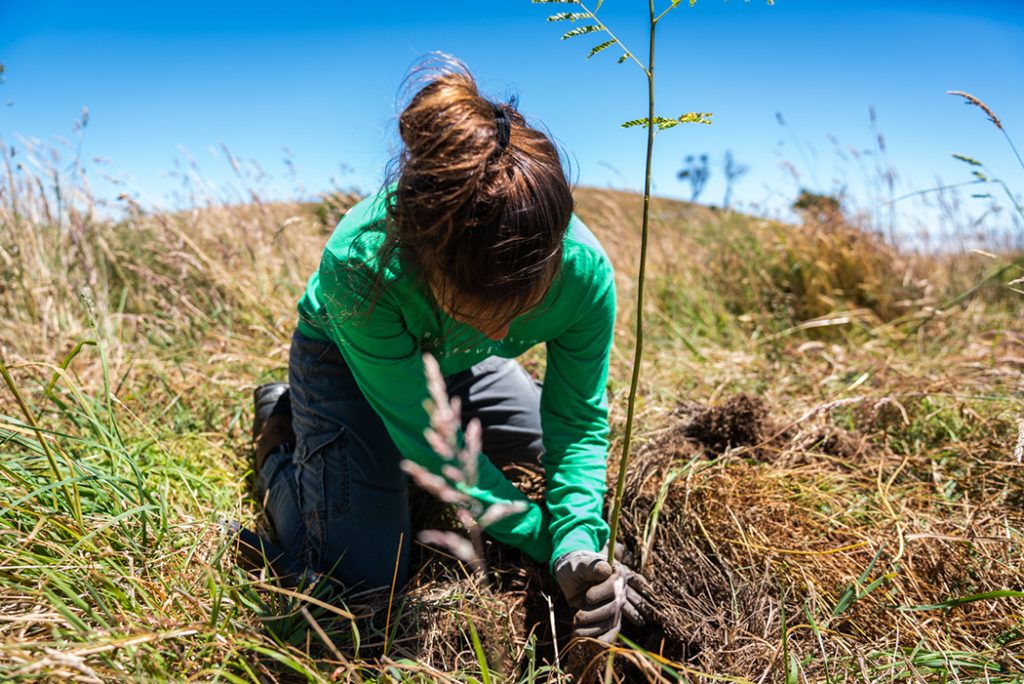
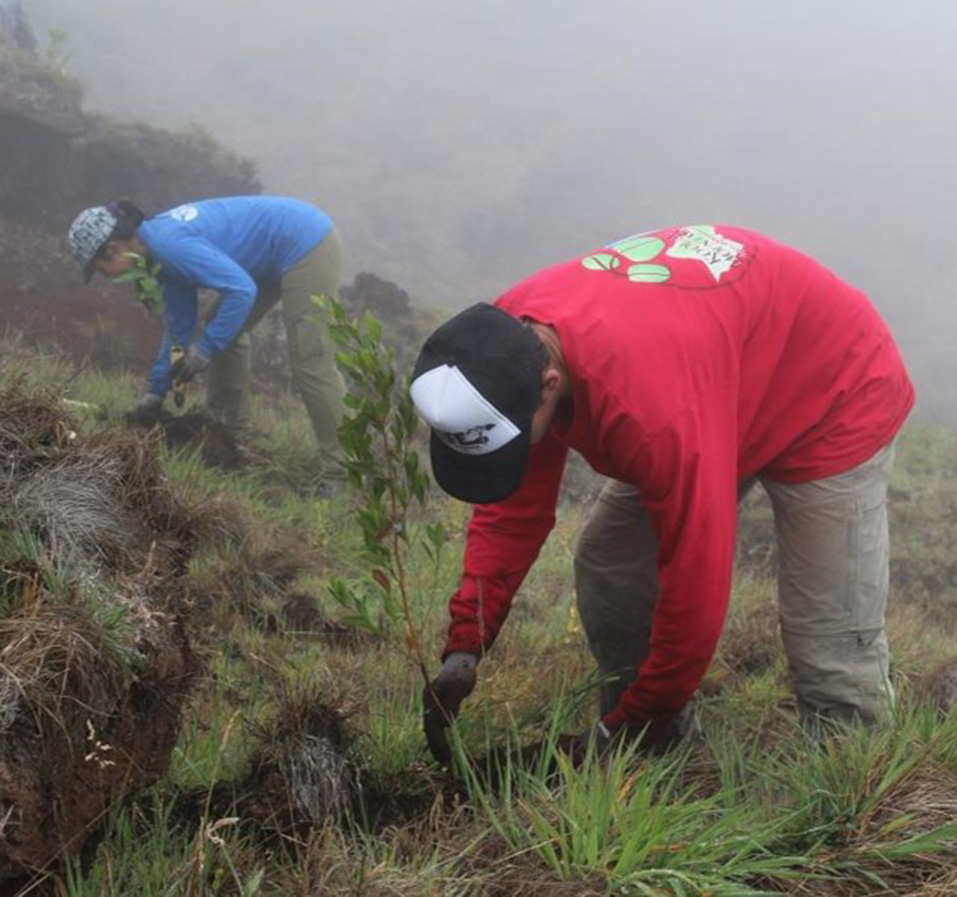
DOFAW has worked to remove invasive trees with shallow roots (e.g., miconia) or broad canopies prone to wind shear (e.g., albizia) – and work with program partners and volunteers to plant native forests that stabilize our island soils. Staff are assessing the feasibility of planting eroded areas for slope stabilization and will initiate planting where safety is not an issue.
DLNR will also continue its close coordination with federal, county and military partners during wildfire incidents. This year, DOFAW will be working with the Hawaiʻi National Guard to support wildfire suppression operations as needed. The partnership enhances the state’s ability to rapidly mobilize personnel, equipment, aviation resources and logistical support during significant wildfire events.
“As conditions continue to evolve throughout the summer and fall months, DLNR remains committed to protecting Hawaiʻi’s people, natural resources and communities through preparedness, prevention and coordinated response,” said DLNR Acting Chair Ryan Kanaka‘ole.
DLNR urges residents and visitors to exercise caution with activities that could spark a wildfire, especially during periods of dry and windy weather. Most wildfires in Hawaiʻi are human-caused and can often be prevented through responsible behavior.
Wildfire preparedness extends beyond firefighting agencies. Residents are encouraged to take proactive steps to protect their homes and communities by:
- Creating defensible space around structures
- Maintaining vegetation
- Preparing emergency evacuation plans
- Staying informed about fire weather conditions and emergency notifications.
To learn more visit https://www.hwmo.org.
Sponsored Content