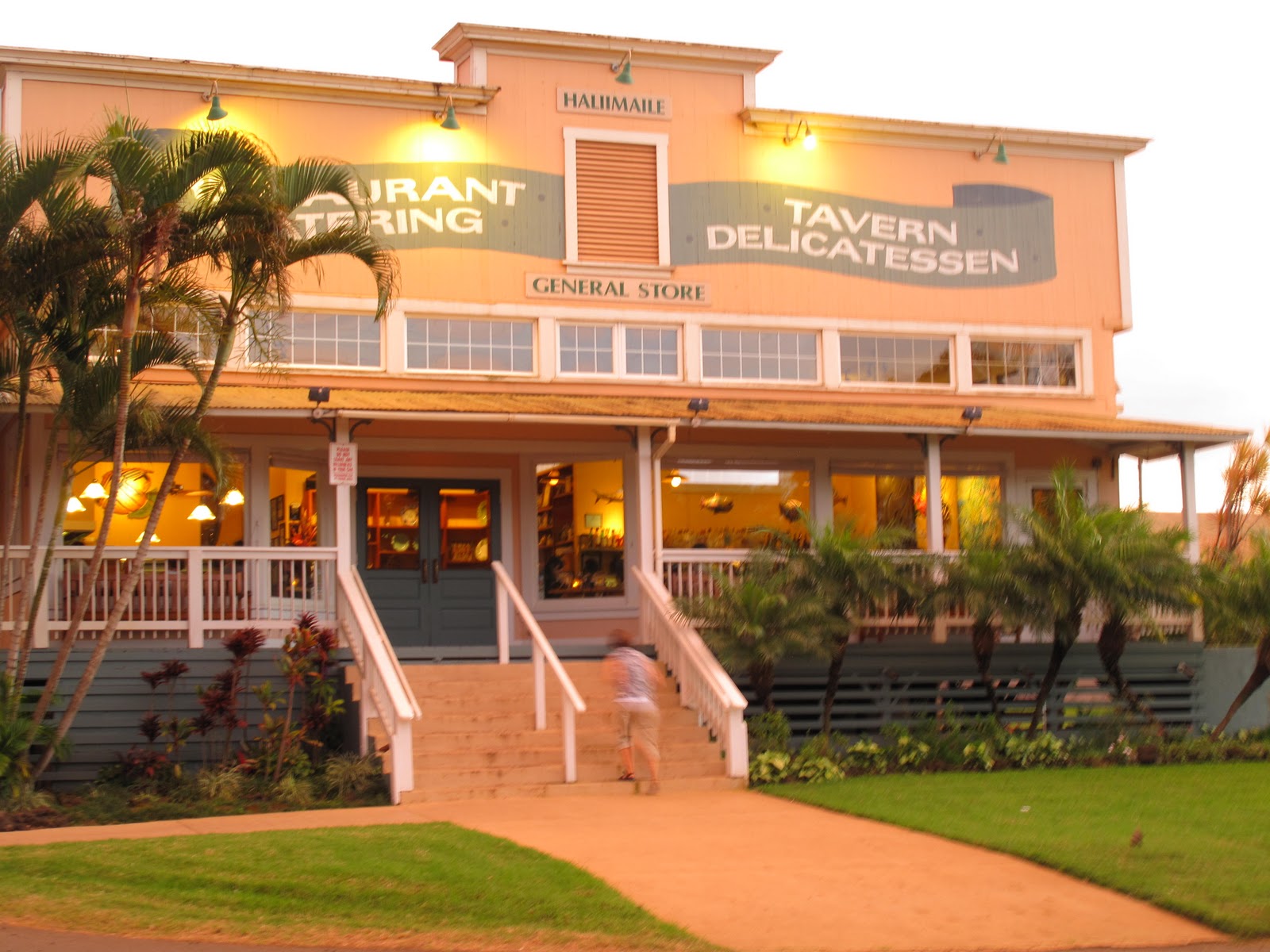


4th Annual Hawaiʻi Made Conference spotlights local entrepreneurs
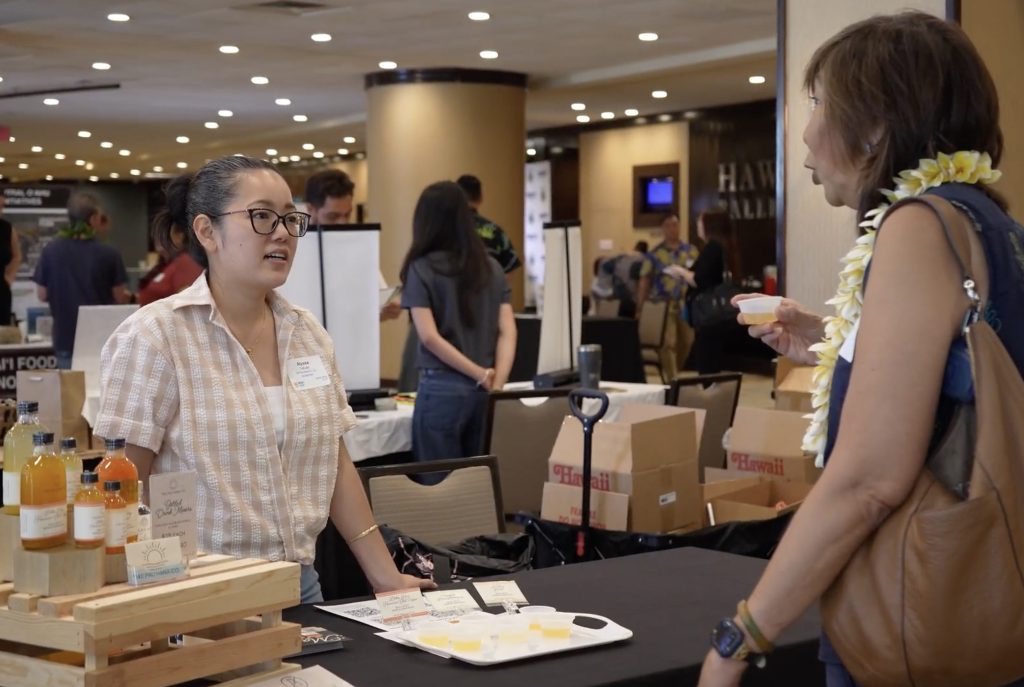
The fourth annual Hawaiʻi Made Conference wrapped up Tuesday in Waikīkī after bringing together the state’s farmers, value‑added producers, food manufacturers, entrepreneurs, supply‑chain partners and resource providers.
The conference focused on accelerating local food product development and strengthening Hawaiʻi’s growing food innovation ecosystem, according to the state Department of Business, Economic Development and Tourism Business Development and Support Division, which organized the event.
Focused on the theme “Driving the Future of Food Innovation,” this year’s conference highlighted the Food and Product Innovation Network — a coordinated statewide initiative aligning training, product development support, shared production facilities, financing pathways and market‑entry resources for Hawaiʻi producers.
In opening remarks, DBEDT Director James Kunane Tokioka emphasized the department’s commitment to guiding local businesses from idea to market by connecting them with technical experts and cross‑sector partners.
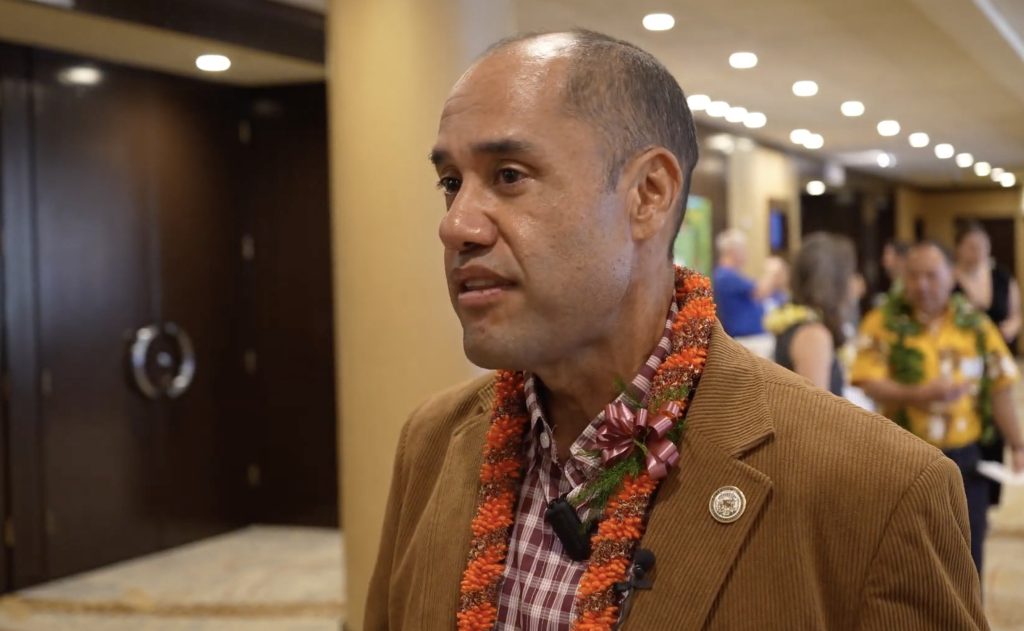
State Sen. Donovan Dela Cruz stressed to attendees the value of providing businesses with resources across food safety, development, financing, branding and market strategy.
“This year’s Hawaiʻi Made Conference demonstrated the power of bringing producers, educators and industry partners together under a shared vision,” Tokioka said. “When we align our resources and expertise, we create real momentum for Hawaiʻi’s food innovation economy. Hawaiʻi’s entrepreneurs are building the next generation of food products that reflect our culture, creativity and values. The state’s role is to ensure they have the tools, training and connections they need to succeed from concept to commercialization.”
Conference topics included:
- Educational pathways and entrepreneurial resources for early‑stage businesses
- Food safety requirements, processing standards, labeling rules and regulatory compliance
- Shared‑use facilities, commercialization programs and value‑added manufacturing
- Financing options from private, public and nonprofit partners
- Hawaiʻi Made brand value and market positioning
- Go‑to‑market strategies including distribution, logistics, marketing and export readiness

A major highlight of the day was the signing of the Food and Product Innovation Network memorandum of agreement, bringing together 20 state departments, agencies and education partners. The agreement establishes a collaborative framework to expand access to technical expertise, advanced equipment and commercialization support, ultimately strengthening Hawaiʻi’s food innovation capacity and market resilience.
“The signing of the Food and Product Innovation Network agreement represents a major step forward,” said Dennis Ling, DBEDT Business Development and Support Division administrator. “By strengthening statewide coordination, we’re making it easier for producers to access technical support, shared facilities and market pathways. As global markets evolve, Hawaiʻi must continue investing in innovation, technology and talent — and today’s conversations and partnerships reaffirm our commitment to positioning Hawaiʻi as a leader in food innovation.”
The luncheon keynote, “From Hawaiʻi to Global Markets: Entrepreneurship, Business Differentiation and Innovation in the Future of Food,” was delivered by Lou Cooperhouse, founder, president and chief executive officer of BlueNalu Inc. and a globally recognized expert in food innovation and commercialization. Cooperhouse has previously collaborated with the University of Hawaiʻi to support the Maui Food Innovation Center.
Throughout the day, attendees also visited the Mākeke marketplace, which featured Hawaiʻi made products, vendor displays and organizations offering business support programs.
“The enthusiasm we saw at the Mākeke marketplace reflects the incredible diversity and talent within Hawaiʻi’s maker community,” said ʻĀnela Akana, Agribusiness Development Corporation FPIN manager. “It’s inspiring to see so many businesses turning ideas into viable products that can scale locally and globally.”
Sponsored Content