Inaugural ʻAha Niu: Maui Nui Coconut Celebration Festival spotlights safeguarding coconuts for future generations
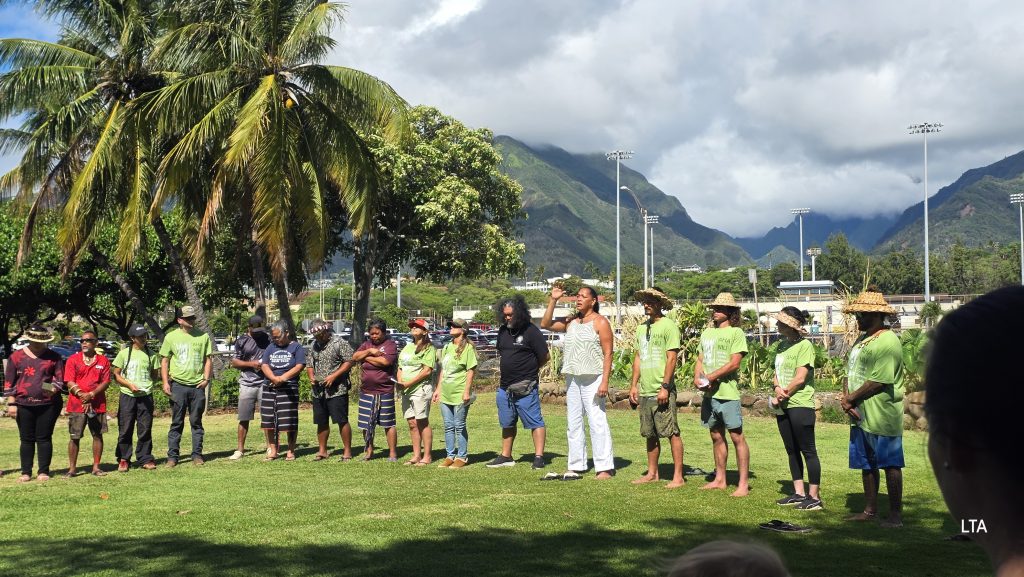
The inaugural 2026 ʻAha Niu: Maui Nui Coconut Celebration Festival showcased the passion the Maui Nui community has for safeguarding and perpetuating niu (coconut) for future generations.
In early June, five adult coconut rhinoceros beetles were found in traps in Waikapū. On the heels of that news, the ʻAha Niu festival was held June 13 at Maui Nui Botanical Gardens in Kahului. The festival not only celebrated coconuts but also provided an opportunity to educate the community about planting more niu and community responsibly to mitigate the spread of the highly invasive beetles.
An estimated 750 people turned out for the inaugural festival, bringing together 15 organizations, 27 cultural practitioners and experts, and the Maui Nui community from keiki to kūpuna. The event was hosted at Maui Nui Botanical Gardens and made possible through the support of the ASU Swette Center for Sustainable Food Systems, the Kamehameha Schools Kaiāulu program and numerous community partners.
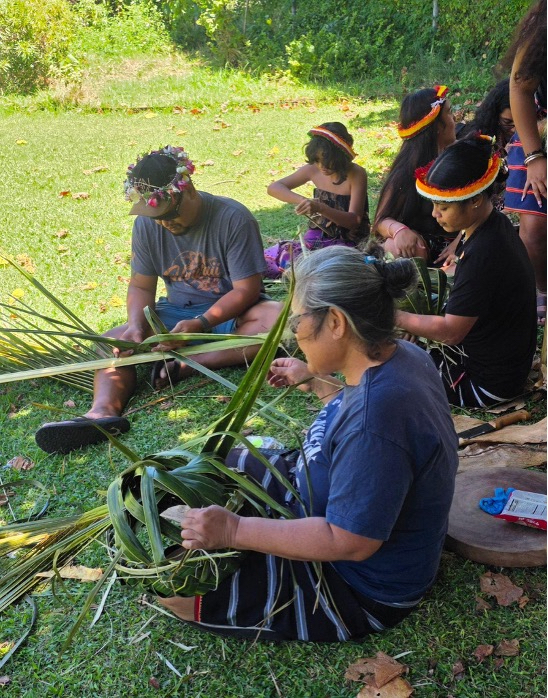
Throughout the day, members of the community immersed themselves in hands-on workshops, including ulana lau niu (coconut leaf weaving), ʻapu ʻawa (coconut cups for drinking kava) and kaula making (twining rope from coconut husk). Attendees also learned how to husk, grate and make coconut milk with members of the Remathau community and other coconut practitioners. Coconut experts gave demonstrations on climbing, harvesting and planting. The main event tent also featured presentations throughout the day, including an expert panel, Niu Vision: The Outlook of Coconuts in Hawaiʻi Today and CRB.
Chris Kaʻiakapu, agroforestry specialist with the Hawaiʻi ʻUlu Cooperative, was an integral part of the planning process. He participated in workshops, panels and led the keiki game, Protect the Niu, Capture the Beetle, designed to inspire niu stewardship for the youngest generations.
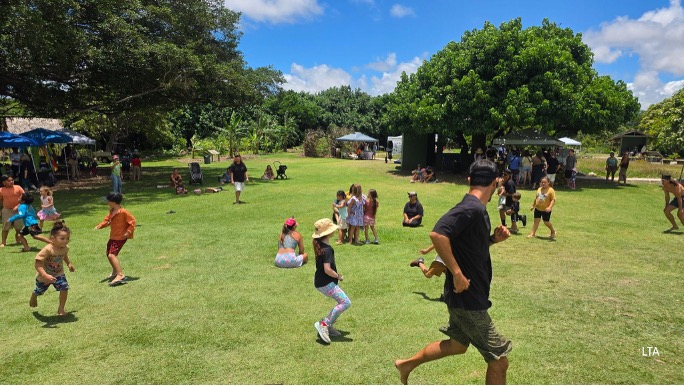
Reflecting on the festival’s impact, Kaʻiakapu said: “No doubt in my mind that this event helped to inspire, grow the movement and care for niu, and raise awareness about the threat of CRB and the general decline of niu in the Hawaiian landscape and lifestyle. It was a really beautiful and impactful event, and I heard nothing but gratitude and praise from those who attended.”
Commerce, government, education and nonprofit sectors also came together to celebrate niu. Eleven businesses participated by highlighting coconut in their crafts or food. Nine educational booths, such as Hawaiʻi Farmers Union Mauna Kahālāwai Chapter, Hawaiʻi Land Trust, Maui Invasive Species Committee and the Maui County Department of Agriculture, lined the festival’s pathways, engaging participants by sharing information about planting, conservation and invasive species management.
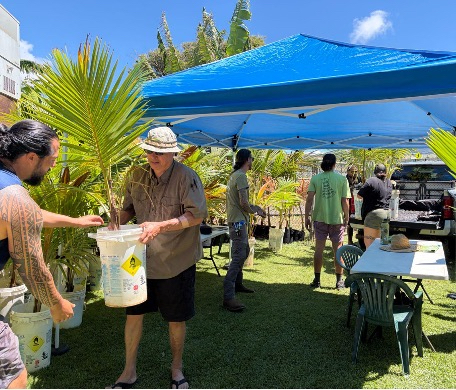
The festival’s signature feature was a free coconut tree giveaway, a gift to the Maui Nui community and an important signal that confronting CRB requires both diligently practicing integrated pest management and planting more niu for future generations.
Tuki Drake, a farmer and one of the festival organizers with the Hawai‘i Swette Center team, said: “101 sprouts were enthusiastically adopted by members of the Maui community, 63 keiki niu workbooks were distributed to Maui ‘ohana. Most importantly, the ‘Aha Niu brought together Maui ‘ohana from keiki to kūpuna and deepened their connection to the Pacific Tree of Life.”
As organizers began planning the 2027 ʻAha Niu on Maui, attendees were invited to share feedback through a survey. When asked what worked well, participants expressed appreciation for the educational programming and the sense of community.
As Hawai‘i continues to face challenges related to food security, invasive species and climate resilience, organizers said they hope that the inaugural ‘Aha Niu Maui Festival will spark an enduring commitment to protect and perpetuate niu across the islands, while strengthening community connections.
Sponsored Content