

West Maui community conversation highlights nearly $600 Million transportation opportunity

Maui Bicycling League members and supporters gathered in Lahaina on Saturday, Sept. 12, for a well-attended bicycle ride, brunch and nonpartisan conversation about West Maui’s transportation future.
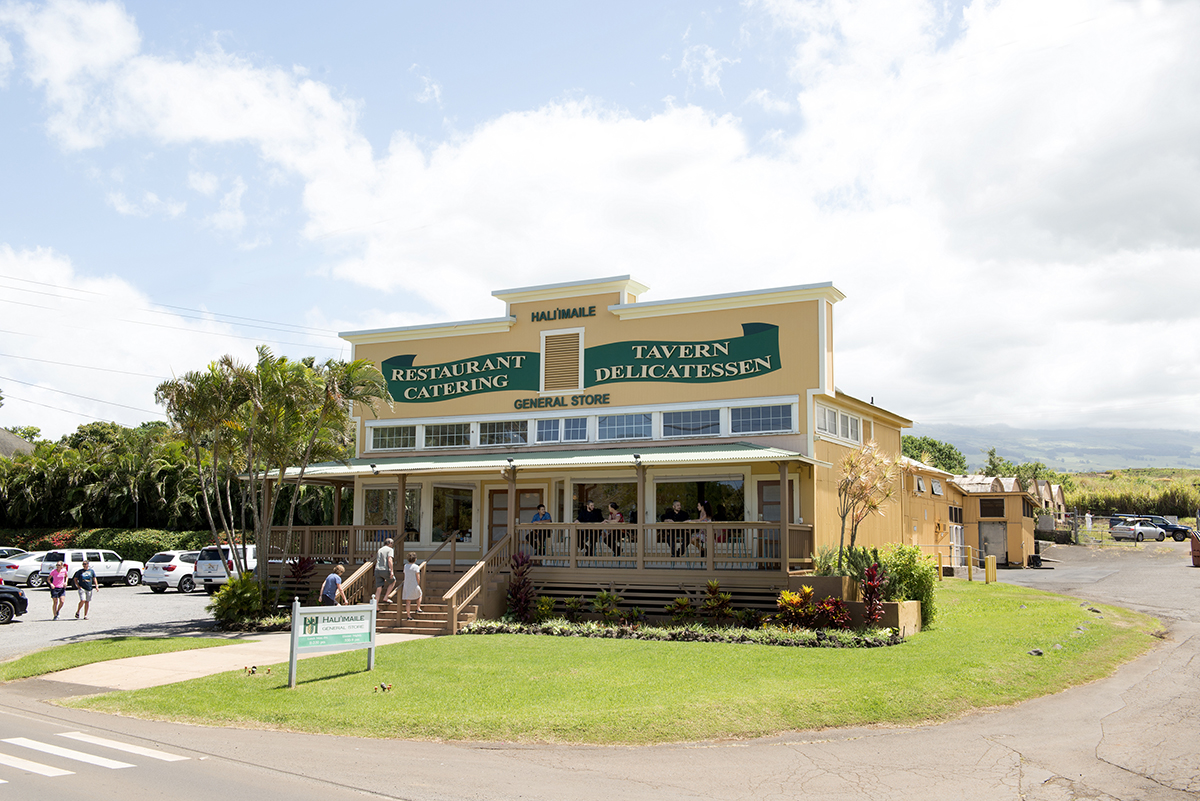
Before brunch, participants rode together along newly reopened Front Street, providing a special opportunity to experience Lahaina’s recovery and transportation needs firsthand. The group then gathered at Fork & Salad Lahaina for brunch and an engaging community discussion.
The conversation focused on coordinating several major projects now planned or underway:
- Honoapiʻilani Highway coastal realignment
- Lahaina Bypass Phase 1C
- Keawe Street safety and multimodal improvements
- Lower Honoapiʻilani Road improvements
- West Maui Greenway
Based on publicly available project estimates and announced funding awards, these projects collectively represent approximately $600 million in planned and potential transportation investment, organizers said. Participants discussed the importance of ensuring that this unprecedented investment creates one safe, connected multimodal network rather than a series of isolated projects.
“West Maui is facing a once-in-a-generation opportunity shaped by the challenges of climate change and the devastation of the August 2023 wildfires. No one wants the community to experience another disaster of this magnitude. Participants emphasized the importance of learning from what happened and ensuring that significant federal, state and county investments are coordinated and put to the best possible use,” according to event organizers.
Recognizing Agency Leadership and Responsiveness
Maui Bicycling League recognizes the important progress already being made by State and County leaders and agencies.
MBL extended appreciation to the Hawaiʻi Department of Transportation for promptly responding to the organization’s request to clear storm debris from the bicycle lanes along Honoapiʻilani Highway before the Sept. 12 ride.
“We greatly appreciate HDOT’s responsiveness,” said Saman Dias, chair and co-founder of Maui Bicycling League. “When we contacted the department about possible storm debris in the bicycle lanes, its team acted quickly. That type of communication and cooperation makes a meaningful difference for the safety of people bicycling on our highways.”
MBL also recognized the significant challenges facing Maui County’s Department of Public Works. The department is responsible for maintaining and improving an extensive infrastructure system while responding to wildfire recovery needs, severe weather and damage caused by recent storms, organizers said.
“We understand that the Department of Public Works is managing many competing infrastructure needs with limited resources,” Dias said. “We appreciate the work being done under very challenging circumstances and want to be a constructive partner in identifying opportunities that improve safety and connectivity.”
Maui Bicycling League expressed gratitude to Mayor Richard Bissen and his administration “for supporting major transportation and recovery investments, including the allocation of federal disaster-recovery funding for the Lahaina Bypass extension and the successful pursuit of important federal grants for West Maui.”
MBL also thanked West Maui Council Member Tamara Paltin “for consistently listening to her community, elevating West Maui’s needs and remaining engaged in discussions about the West Maui Greenway and other critical transportation projects,” according to the announcement.
“These accomplishments demonstrate what is possible when our federal, State and County partners work together,” Dias said. “We are grateful for the progress that has already been made. Our goal is to build upon these successes and help ensure that the projects moving forward create the greatest possible long-term benefit for West Maui.”
A Connected and Resilient Transportation Future
“Until we put these projects and their funding together, most community members do not realize the magnitude of the transportation investment being made in West Maui,” Dias said. “True recovery requires us to look forward, not simply replace what existed before. We must use this opportunity to implement Complete Streets and Safe Streets for All principles and create a connected network incorporating protected bicycle and pedestrian facilities, safe crossings, public transportation and the West Maui Greenway.”
“The Greenway should not be viewed only as a recreational trail,” Dias said. “It can become an alternative transportation spine and a critical emergency route, supporting residents evacuating by bicycle or on foot, emergency access and the movement of supplies when the highway is blocked.”
“We cannot wait until the first phase is completed—potentially close to the mid-2030s—to begin planning and seeking funding for the remaining Greenway segments,” Dias said. “We need a thoughtful, well-coordinated and long-term plan to fund and complete the entire West Maui Greenway. This should be a legacy project that connects our communities, strengthens our transportation network and provides lasting benefits for our keiki and future generations.”
The federal government awarded Maui County $15.43 million through the RAISE program for the first 5.25-mile phase of the West Maui Greenway, connecting the Lahaina Civic Center and Launiupoko Beach Park. The County describes the Greenway as a transportation alternative that could also support emergency access, fire mitigation, utility infrastructure and community resilience. However, the remaining Greenway phases do not yet have full funding commitments.
“It was great hearing from Maui Bicycling League members about their hopes for the Greenway,” Patel said. “I’m glad the first phase has funding, but we need a plan and a commitment to the next phases, so we don’t end up with a path that abruptly stops.”
“As we rebuild, we have a unique chance to get this right,” Patel said. “A connected Greenway can bring our community together, give families safer ways to get around and provide additional evacuation options. It is an opportunity to build back safer and more resilient, with our keiki and future generations in mind.”
Council Member Paltin demonstrated detailed knowledge of the transportation projects and reaffirmed her commitment to maintaining communication among the community, county and state as the projects move through planning, environmental review, funding and construction.
“West Maui needs sustained coordination between the County, State and community to ensure these investments produce the greatest possible benefit,” Paltin said. “I remain committed to staying engaged with the responsible agencies, supporting the West Maui Greenway and helping these projects move forward as a safe, connected and resilient transportation network.”
Highway Projects Must Include Multimodal Connections
The Honoapiʻilani Highway coastal realignment has received a confirmed $23 million federal allocation through the federal Highway Infrastructure Programs. Lahaina Bypass Phase 1C is estimated to cost between $220 million and $250 million, including a recently announced $100 million conditional allocation in federal disaster-recovery funding.
Maui Bicycling League is urging the Hawaiʻi Department of Transportation to incorporate Complete Streets and Safe Streets for All principles when designing and constructing the Highway 30 realignment and Lahaina Bypass Phase 1C.
The Highway 30 realignment, existing Lahaina Bypass and future Phase 1C extension should provide consistent designs, wayfinding and safety signage. Where feasible, these corridors should incorporate wide, protected bicycle and pedestrian facilities, safe crossings and direct connections to the West Maui Greenway.
“Segments 6 and 7 of the West Maui Greenway present a particularly important opportunity for the state and county to work together,” organizers said. “The Highway 30 realignment could allow portions of the existing coastal highway to serve as an interim or permanent Greenway connection. Planning for that transition should occur before the realignment is completed and the old highway is transferred or repurposed,” according to the MBL.
Building on Progress
Building upon the progress already underway, Maui Bicycling League encourages government agencies and the community to continue working together on the following priorities:
- Establish a West Maui transportation coordination team. The State and County should create a dedicated team to coordinate major transportation projects, identify shared infrastructure and funding opportunities, resolve gaps between projects and support successful implementation. The team should include representatives from HDOT, Maui County’s Department of Public Works, Department of Planning, Mayor’s Office, Maui Metropolitan Planning Organization, Lahaina Long-Term Recovery team and Maui Bicycling League.
- Implement Complete Streets and Safe Streets for All principles. Projects should incorporate protected bicycle and pedestrian facilities, accessible sidewalks, safe crossings, pedestrian refuge areas, traffic-calming treatments and connections to public transportation wherever appropriate.
- Develop a long-term plan to fund and complete the West Maui Greenway. Environmental review, right-of-way coordination and funding strategies for the remaining segments should move forward while Phase 1 is being designed and constructed. A coordinated plan will help ensure that the first phase becomes the foundation of a complete legacy project rather than an isolated path.
- Create intermodal mobility hubs. Strategically located hubs could connect walking, bicycling, public transit and shared-mobility services, helping residents, workers and visitors complete the “last mile” without adding more vehicles to West Maui’s limited roadway network.
- Strengthen emergency transportation options. New infrastructure should provide alternative connections for evacuating residents, emergency responders and supplies when Honoapiʻilani Highway is blocked or compromised.
The Keawe Street project received a $13.4 million federal Safe Streets and Roads for All award for improvements including safer crossings, pedestrian refuge islands, roundabouts and buffered bicycle lanes. An additional $3.35 million conditional CDBG-DR allocation has been identified for multimodal construction along Keawe Street.
Leaders with the Maui Bicycling League say the organization is eager to assist the county and its partners wherever its experience can be helpful. “MBL can contribute funding ideas, support community engagement, provide West Maui Greenway subject-matter expertise and help identify opportunities to connect Greenway with other transportation projects,” according to organization leaders.
Maui Bicycling League encourages residents to attend upcoming transportation project meetings, review proposed plans, submit comments and remain actively engaged. Community members should continue asking HDOT, Maui County’s Department of Public Works, the Mayor’s Office and other decision-makers how each investment will contribute to a complete, connected and safe multimodal transportation network.
“Funding alone will not guarantee the outcome our community needs,” Dias said. “Community involvement, agency coordination and continued accountability will determine whether these projects work together and whether West Maui receives the safe, connected and resilient transportation system it deserves.”
For Maui Bicycling League updates and opportunities to participate, visit mauibike.org or email Maui@hbl.org.
Sponsored Content