Rep. Case votes against FY26 appropriation bills over cuts to housing and clean energy
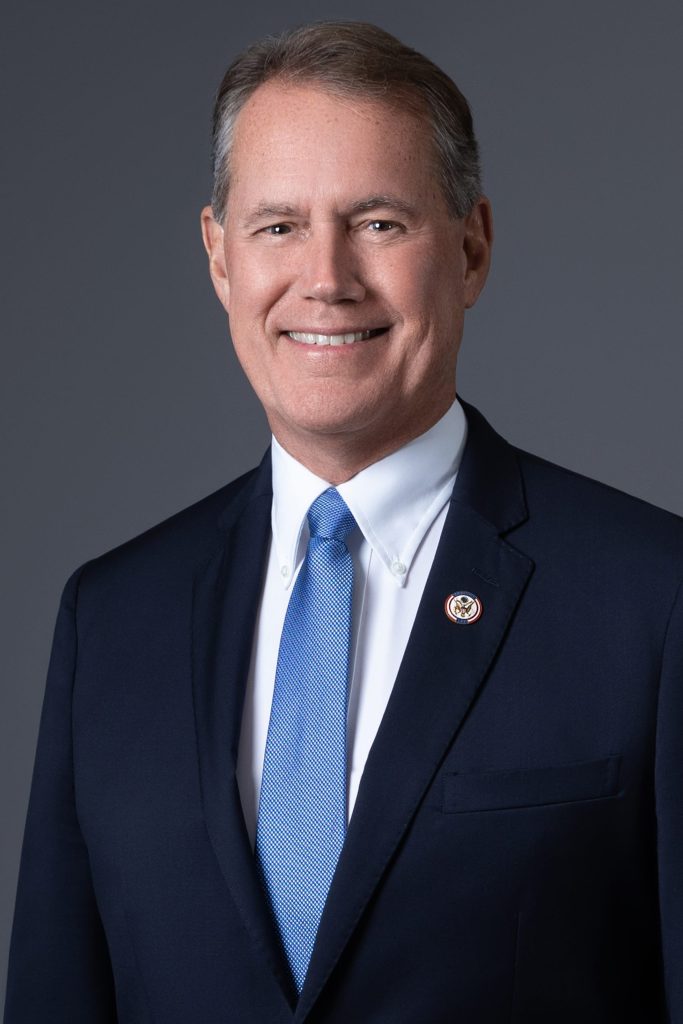
US Rep. Ed Case (D-Hawaiʻi) voted against two major spending bills in the House Appropriations Committee this week, citing cuts to federal housing, transportation and clean energy programs despite securing key funding for Hawai‘i.
The Fiscal Year 2026 Transportation-Housing and Urban Development (HUD) and Energy and Water appropriations bills propose a combined $147 billion in funding—$89.9 billion for HUD and the Department of Transportation, and $57.3 billion for energy and water projects. Both represent reductions from FY 2025 levels, with the HUD bill down $4.5 billion and the Energy and Water bill down nearly $776 million.
“While these measures fund many critical Hawai‘i priorities I requested, I regrettably had to vote against both bills because of massive cuts to federal programs that help everyday Americans with rising housing, transportation and energy costs,” Case said.
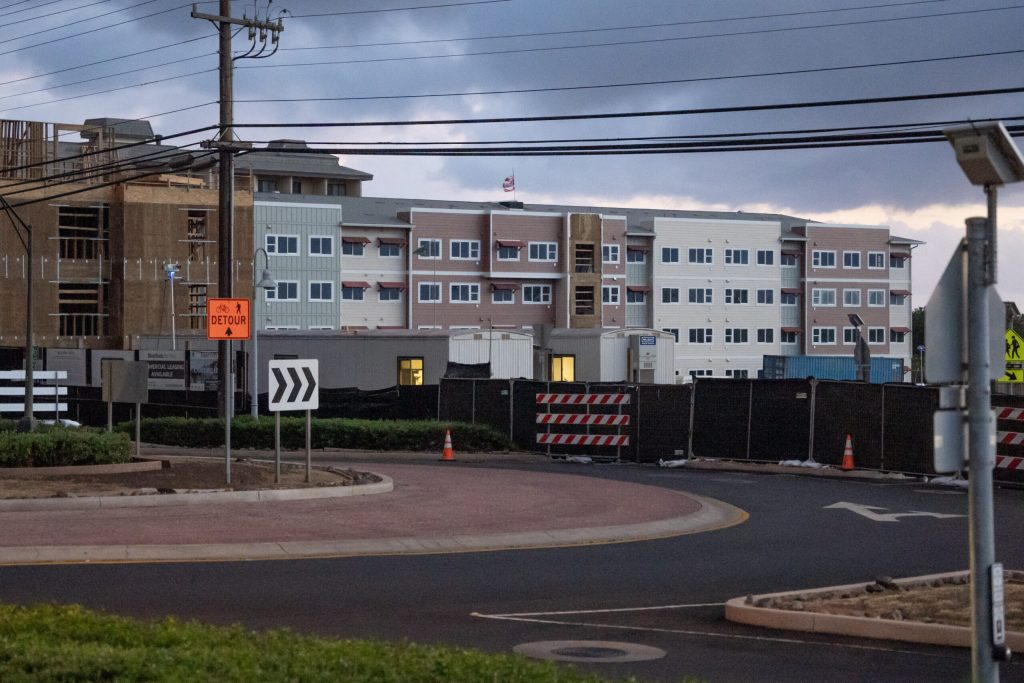
Case objected to the elimination of key housing programs, including:
- The HOME Investment Partnerships Program, the only federal program dedicated to developing new affordable rental and homeownership options;
- The PRO Housing Program, which empowers local governments to address housing shortages; and
- Housing counseling assistance.
He warned that the cuts could threaten housing stability for nearly 415,000 households nationwide that rely on HUD support.
Case also opposed the Energy and Water bill for slashing clean energy investments. He said Hawai‘i could lose 31% of its federal clean energy funding.
“Without these federally funded programs and incentives, we risk falling dangerously behind our clean energy goals,” Case said.
Despite voting no, Case secured several Hawai‘i-specific funding priorities across both bills, including seven Member-designated Community Project Funding (CPF) initiatives:
- $2 million for repairs to Aloha Tower
- $1 million for the Waikīkī Vista Project, converting unused classroom space into emergency shelter and low-income housing
- $850,000 for domestic violence survivor housing in Honolulu
- $850,000 for a new pedestrian bridge connecting Kūhiō Park Terrace to Kalihi Waena Elementary
- $300,000 for Highlands Intermediate School’s media center upgrades
- $250,000 for environmental education and wastewater upgrades at the Hawai‘i Nature Center
- $250,000 for broadband infrastructure upgrades in local community centers
Case also secured:
- $18.3 million for the Native Hawaiian Housing Block Grant
- $28 million for the Native Hawaiian Housing Loan Guarantee Fund
- $5 million for Native Hawaiian-serving housing research partnerships
- $17 billion for project-based rental assistance
- $5.6 billion for the Community Development Fund, which includes $3.3 billion for CDBG formula grants
- $4 billion for Homeless Assistance Grants
- $380 million for the Maritime Security Program
- $123 million for the Port Infrastructure Development Program
- $23 billion for the Federal Aviation Administration, including hiring 2,500 air traffic controllers
- $15 billion for the Federal Transit Administration
Hawai‘i-specific wins in the Energy and Water bill include:
- $38 million for programs which manage aquatic weeds in public waters
- $2 million to study avenues of protection for public infrastructure on small beaches from erosion and damage caused by storms and natural wave currents
- $9.5 million for small commercial navigation improvements such as channels and breakwaters
- Direction for the US Army Corps of Engineers to update its study of Honolulu Harbor, evaluating impacts of military operations
- $18 million for high-resolution shoreline mapping
- $12 million for controlling invasive aquatic plants
- Continued support for the Energy Technology Innovation Office, previously the Energy Transitions Initiative, which supports clean energy in remote communities
- Language calling for research into the potential use of small modular nuclear reactors in remote US areas, such as Hawai‘i
The Transportation-HUD and Energy-Water bills are the sixth and seventh of 12 annual appropriations bills for FY 2026, commencing Oct. 1. They now advance to the full House for consideration.
Sponsored Content