Chewbacca coral: New deep-sea species spotted in waters off Hawai‘i, Mariana Trench
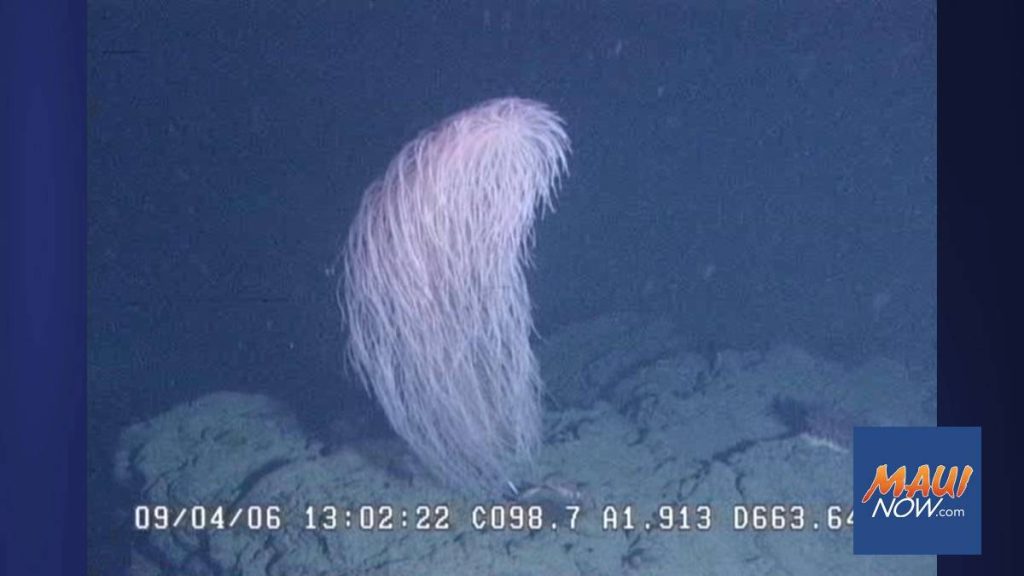
A new deep-sea coral species in the tropical western Pacific that resembles a highly recognizable character from “Star Wars” has been discovered and named by a team of researchers including an expert from the University of Hawaiʻi.
The coral, named Iridogorgia chewbacca, is known for its long, flexible branches and shiny surface. The species earned its nickname because the coral’s “hairy” looking branches and upright, lone-standing appearance reminded researchers of Chewbacca, the furry character from the “Star Wars” films.
The species belongs to the genus Iridogorgia, a group of deep-sea corals with long, spiraling structures. The new coral was first seen in waters off Molokaʻi in 2006 and later near the Mariana Trench in 2016. The Molokaʻi specimen measured about 4 feet tall, while the Mariana Trench sample was about 20 inches. The branches are flexible and can grow up to 15 inches long.
Les Watling, professor emeritus in UH Mānoa’s School of Life Sciences and co-author of the study published in Zootaxa, recognized the coral while reviewing research from colleagues in China. His earlier work in Hawaiʻi waters and collaborations with NOAA expeditions helped confirm that it was a new species.
“Seeing this coral for the first time was unforgettable,” Watling said. “Its long, flexible branches and shape immediately reminded me of Chewbacca. Even after years of deep-sea work, discoveries like this still make me stop and take notice.”
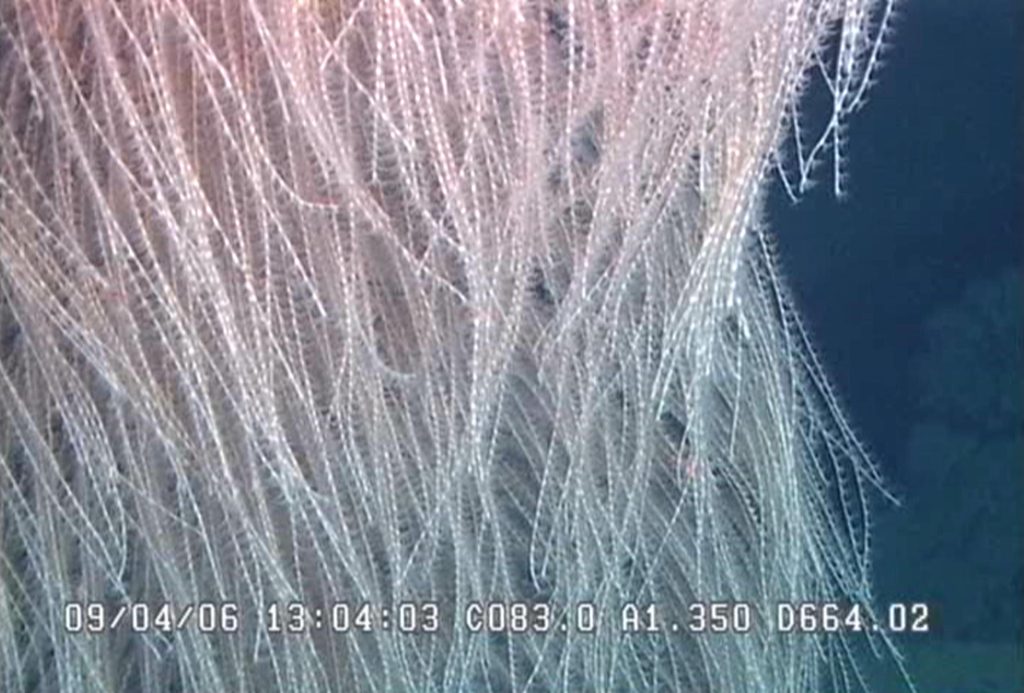
The study used both physical characteristics and genetic analysis to describe I. chewbacca and another new species, Iridogorgia curva. It also documented other known species in the western Pacific. Researchers found the region has a high diversity of Iridogorgia, with 10 species recorded in tropical western Pacific waters.
Each coral colony is made up of thousands of tiny polyps, which work together to form the larger structure. Despite its large size and striking appearance, I. chewbacca usually occurs alone, scattered across deep-sea rocky bottoms.
Watling’s work highlights UH’s contributions to deep-sea research and shows the value of international collaboration in discovering and documenting new marine species, the university said. The discovery adds to scientists’ understanding of the biodiversity hidden in the deep ocean and demonstrates that even long-studied regions like the Pacific still hold surprises.
Sponsored Content