Federal government shutdown begins; What Hawaiʻi residents need to know
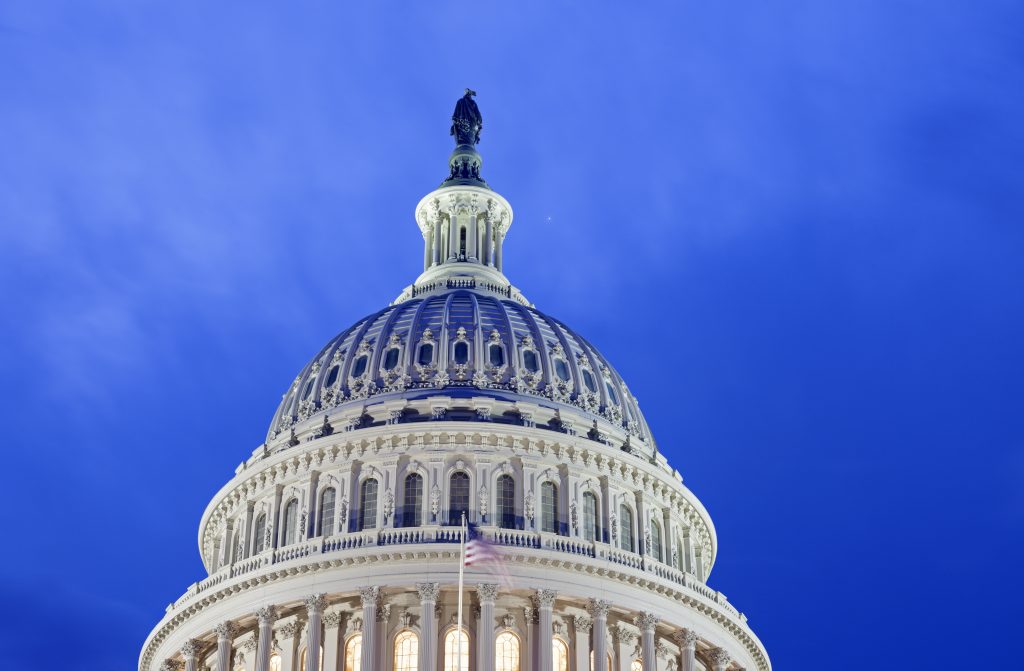
A partial federal government shutdown began Wednesday after Congress failed to pass legislation before the midnight deadline. Passage is needed to keep operations going into the new Fiscal Year.
There are some 24,000 federal civilians working in our Hawai‘i, with roughly 19,000 of them working for the military, according to Congressman Ed Case of Hawaiʻi. There are also around 47,000 service members in Hawai‘i, plus their families. Further, there are thousands of contractors, grant recipients and others in Hawai‘i whose jobs are tied to the federal government, said Case.
Flights to Hawaiʻi and within the state continue;
Some national parks and wildlife refuges may be closed or have limited access
The Hawaiʻi Tourism Authority reports that travel to Hawai’i continues amid the federal shutdown. Flights to the Hawaiian Islands and within the state should remain largely unaffected, according to the HTA.
Essential federal government workers such as air traffic controllers and Transportation Security Administration agents will continue to work, ensuring safety and security; however, travelers may experience longer wait times.
Some national parks and wildlife refuges in Hawai‘i will be closed or have limited access during the federal government shutdown. If visitors plan on going to these locations, they should call or check the site’s official website for the latest alerts, operating hours, and visitor information.
All state and county parks, beaches, and private businesses, including hotels, activities, attractions, tours, shops, and restaurants, remain open.
Hawai‘i Foodbank is preparing for a potential surge in need
With the federal government shutdown beginning today, Hawai‘i Foodbank is preparing for a potential surge in need as tens of thousands of federal employees, active-duty military personnel and federal contractors across Hawai‘i face paycheck disruptions.
“In Hawai‘i, where so many families are just one missed paycheck away from crisis, the impact could be immediate and widespread,” said Hawai‘i Foodbank President & CEO Amy Miller. “We want our community to know that Hawai‘i Foodbank and our partner agencies are here to help.”
Currently, nearly 1 in 3 households in Hawai‘i, including more than 80,000 keiki, experience food insecurity. A prolonged shutdown could push even more families into crisis, while also threatening critical nutrition programs like SNAP, WIC, TEFAP and CSFP, which thousands of residents rely on every month, according to the Hawaiʻi Food Bank.
For those who need food assistance now, Hawai‘i Foodbank partners with more than 250 hunger-relief organizations on O‘ahu and Kaua‘i, and collaborates with Maui Food Bank and The Food Basket on Hawai‘i Island, to provide statewide food assistance. To find a pantry, meal program, or distribution site near you, visit HawaiiFoodbank.org/help.
Congressman Ed Case provided answers to the following Frequently Asked Questions about the shutdown:
How long will this shutdown last? It is unclear. Some shutdowns last less than a day, while the longest one, in the first Trump administration in 2018-2019, went on for over a month. Again, with mutual commitment to a bipartisan compromise, this one could be over within days. I will do my best to update you throughout this process, and again please be assured that my office will remain open.
I am a federal employee. Will I receive back pay? After the 2018-2019 shutdown, Congress passed the Government Employee Fair Treatment Act, which requires retroactive pay for furloughed and essential employees following the end of a government shutdown. Generally, benefits such as health insurance continue during a shutdown; however, federal employees may need to wait until they are returned to pay status before adjusting their benefits.
What does this mean for disaster relief efforts? Federal Emergency Management Agency staff will still respond to emergencies, and agencies involved in disaster response will continue their work.
Will I continue to receive my Social Security and Supplemental Security Income (SSI) checks? Recipients will continue to receive their Social Security and SSI checks. The Social Security Administration (SSA) will provide limited services like issuing Social Security cards and holding appointments for benefit applications. However, SSA will stop services like benefit verifications and processing overpayments. Customer service wait times will dramatically increase.
Will Medicare and Medicaid benefits be affected? Current Medicare, Medicaid and disability insurance beneficiaries will continue to receive their benefits assuming a shutdown lasts less than three months. But other assistance, such as the customer service phone line and various administrative services, will likely be delayed.
What happens to veterans’ services? There will be no impact on veteran health care as medical facilities and clinics will remain operational. Burials will continue at Department of Veterans Affairs national cemeteries, to include the National Memorial Cemetery of the Pacific. The VA will continue to process and deliver all benefits to veterans including compensation, pension, education and housing benefits. The VA will also continue to process appeals.
What is the impact on US military personnel and federal law enforcement? All active-duty and national guard and reservists on active-duty orders are excepted (essential) and therefore are required to work without pay. On-base non-acute health care will cease, although off-base care provided through Tricare will not be affected. On-base childcare will be open on a case-by-case basis. Federal law enforcement will also be required to work without pay for the duration of the shutdown.
Will military and federal retiree benefits be suspended? Military and federal retirees will continue to receive their retirement benefits. Processing new applications or other requested changes will be delayed.
What is the impact on food assistance? The U.S. Department of Agriculture has said it is “prepared for all contingencies regarding department operations, including critical services and supports.” While the department has not provided specifics on how much funding is available, all Supplemental Nutrition Assistance Program recipients should receive their October 2025 payments.
Will air travel be affected? Air traffic controllers, Transportation Security Administration officers and Customs and Border Protection agents will remain on the job without pay. If some do not report to work, as has happened in prior shutdowns, there will be significant delays and longer wait times across the country.
What is the impact on housing? The Federal Housing Administration will stop insuring some new mortgages and the Department of Housing and Urban Development will stop processing some new loans. The US Department of Agriculture will stop new loan and loan guarantee activity. The VA will continue to guarantee home loans. Funding for federal housing assistance programs, such as Housing Choice Vouchers, may be jeopardized in a prolonged shutdown.
How will this affect small businesses? The Small Business Administration will stop processing new business loans, such as through the 7(a) and 504 programs. However, SBA’s Disaster Loan Program will continue regular operations.
Will my mail still arrive? Yes. The US Postal Service is not affected by a shutdown.
Will I still be able to visit national parks and monuments? Closures will be determined on a location-by-location basis. The USS Arizona, Volcanoes National Park and Haleakalā National Park will be closed. In some locations, state governments have decided to invest state funds to keep certain national parks open. Smithsonian museums will be closed shortly after a shutdown begins.
I’m coming to DC, will my tours still take place?
All tours of the US Capitol, White House and the FBI Building will not take place during a shutdown. If you’ve booked a tour and wish to reschedule, contact the office of Congressman Case at 202-225-2726.
How does this affect passports and help for Americans overseas? Consular services, passport services and visa services are expected to continue in a short shutdown. In a prolonged shutdown, passport and visa issuance could be slowed. Access to passport agencies located in some government buildings may be limited.
What is the impact on state and local services? The federal government shutdown will not immediately affect any state or local services. However, with federal funding cut off, some state or local governments may have to change their operations. Check with state and local agencies for specific questions.
I have a federally issued-student loan. How will this impact payments and administration of student loans? The US Department of Education will continue to issue loans and process Free Application for Federal Student Aid applications. If you have federal student loans, you should continue to make your payments on time to stay in good standing and prevent going into default.
Sponsored Content