Mānoa: Introduced animals change how island plants spread, new global study finds
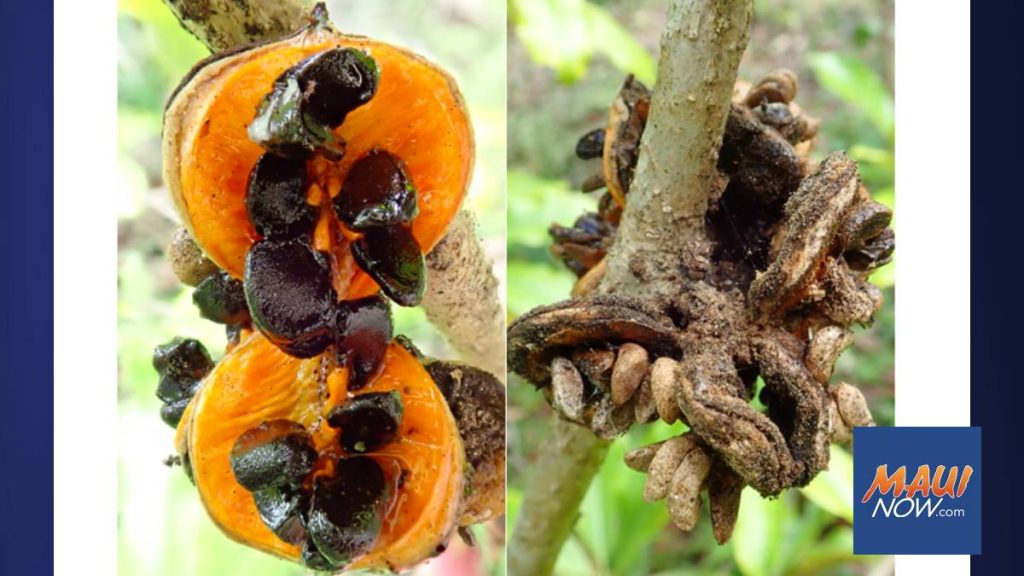
On islands, many plants rely on animals such as birds, bats and reptiles to disperse their seeds and help them grow in new places. When native animals go extinct, this naturally reduces seed dispersal. However, a new global study, published Oct. 7 in Proceedings of the National Academy of Sciences, has discovered that the impact of introduced, invasive animal species on how plant seeds are dispersed across island ecosystems is even greater than the impact of native animal extinctions.
The study analyzed data from 120 islands across 22 archipelagos, examining how extant native, extinct native and introduced vertebrate frugivores—animals that eat fruit and disperse seeds—affect plant reproduction. The findings of how significantly invasives are altering seed dispersal across islands highlight the severity of the new challenges for plant reproduction and ecosystem health. The study is co-authored by Donald Drake, professor in the UH Mānoa School of Life Sciences in the College of Natural Sciences and interim director of Lyon Arboretum.
The study reported that non-native mammals, especially omnivorous mammals, such as pigs and rats, have often replaced native frugivorous birds, bats and tortoises. These replacements frequently have different physical traits, such as smaller or larger gape sizes (the width of an animal’s mouth or bill), which affects the size of seeds they can carry. And they sometimes destroy seeds rather than dispersing them intact. As a result, some native plants may no longer be effectively dispersed, threatening their regeneration and long-term survival.
Researchers also found that species introductions typically outnumbered extinctions both in terms of species numbers (faunas average 44% introduced species versus 23% extinct) and in the number of islands impacted (92% versus 76%). This suggests that human activities, including accidental and deliberate introductions of animals, are adding to extinctions in driving widespread changes to island ecosystems.
“Understanding how introduced species reshape ecological interactions is crucial for planning effective conservation strategies,” Drake said. “In Hawaiʻi, where native ecosystems are particularly vulnerable, these findings underscore the need for proactive management to preserve our unique biodiversity.”
Hawaiʻi’s forests in danger
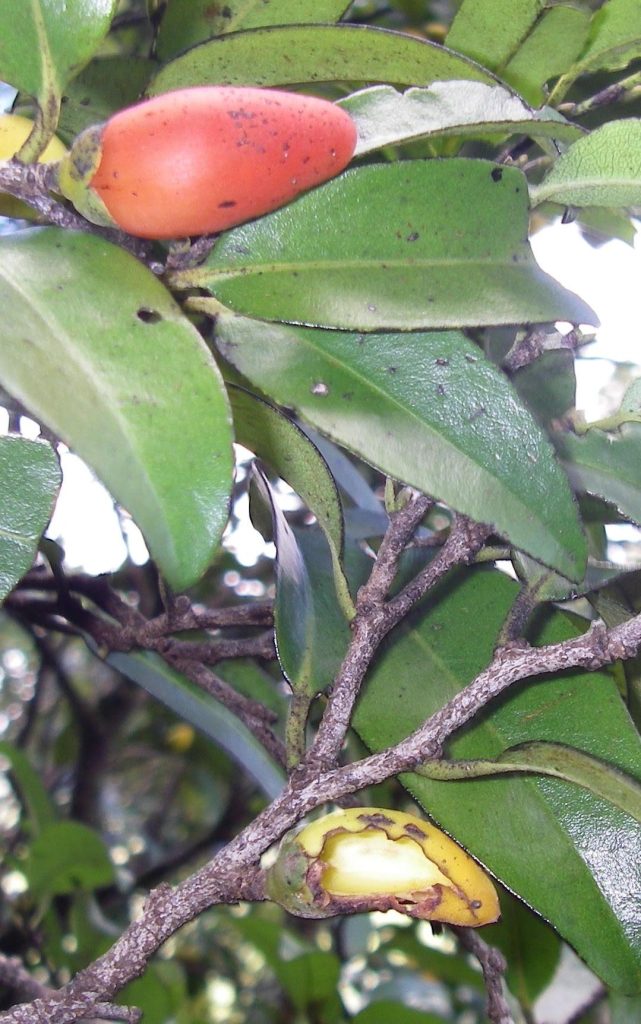
In Hawaiʻi, native forests originally relied entirely on native birds to spread seeds of plants such as lama, hōʻawa and olopua. When introduced animals replace these natural dispersers, the regeneration of native forests can slow or stall, affecting not only biodiversity but also watershed health and cultural practices tied to native plants. The research underscores the importance of managing invasive species and protecting remaining native frugivores to maintain the islands’ unique ecosystems.
ARTICLE CONTINUES BELOW ADARTICLE CONTINUES BELOW AD“Many studies focus on individual species or single islands, but this research shows that introductions can fundamentally alter ecological interactions on a global scale,” Drake said. “For Hawaiʻi, these insights are vital: we need to control introduced animals, protect the remaining native frugivores and restore disrupted seed-dispersal networks to safeguard our forests and native plants.”
Sponsored Content