Native seabird fallout expected to spike with Nov. 19 new moon
The Hawaiʻi Wildlife Center is urging residents and visitors across the islands to watch for downed native seabirds ahead of the upcoming new moon on Nov. 19.
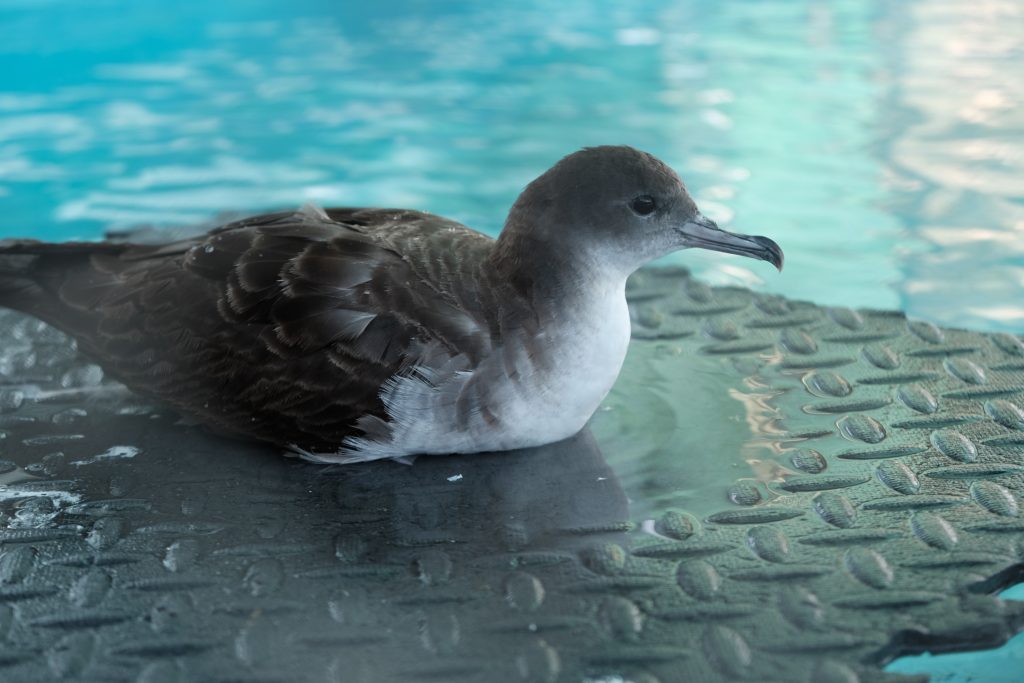
This month’s new moon coincides with seabird fallout season, when fledging ʻUaʻu, or Hawaiian Petrels, and ʻUaʻu kani, also known as Wedge-tailed Shearwaters, take their first flights from burrows to the ocean.
During new moons, fallout events increase as fledging coincides with darker night skies. Artificial lights can disorient young seabirds, causing them to fall to the ground where they become vulnerable to predators and car strikes.
Experts say quick rescue is essential for the birds’ survival. Last year, HWC’s Oʻahu Seabird Aid Program treated 645 ʻUaʻu kani, and this year’s fallout is expected to peak in mid- to late November.
“We see a surge in downed native seabirds during new moons,” said Linda Elliott, president and director of the Hawai‘i Wildlife Center. “With the community’s help in bringing these birds to approved drop-off locations for stabilization and rehabilitation, they have the best chance of safely continuing their journey out to sea.”
What to do if you find a downed seabird
- Use a lightweight towel or t-shirt to gently pick up the bird and place it in a cardboard box.
- On Maui, contact Maui Division of Forestry and Wildlife (DOFAW) at 808-573-BIRD (2473) or 808-359-0403 for drop-off information.
- On Molokaʻi, Arleone Dibben-Young is a licensed rehabber of seabirds.
- On Lānaʻi, contact Hawaii Wildlife Center at 808-884-5000 or 808-563-0013. Or contact Lānaʻi Division of Forestry and Wildlife at 808-565-7916 or 808-357-5090.
- On Oʻahu, transport the bird to Feather and Fur Animal Hospital, which accepts seabirds 24 hours a day.
If unsure about the species or best handling practices, contact Hawai‘i Wildlife Center before intervening at 808-884-5000 or email a photo to birdhelp@hawaiiwildlifecenter.org.
‘Uaʻu kani may still be in or near their burrows getting ready for their first flight out to sea. If you see a fluffy seabird chick and are not sure if they need help, also contact Hawai‘i Wildlife Center before intervening.
For additional drop-off locations and hours, visit the Department of Land and Natural Resources (DLNR) website.
Sponsored Content