

UH debuts advanced robotic optics on Maunakea, sharpening images in night sky
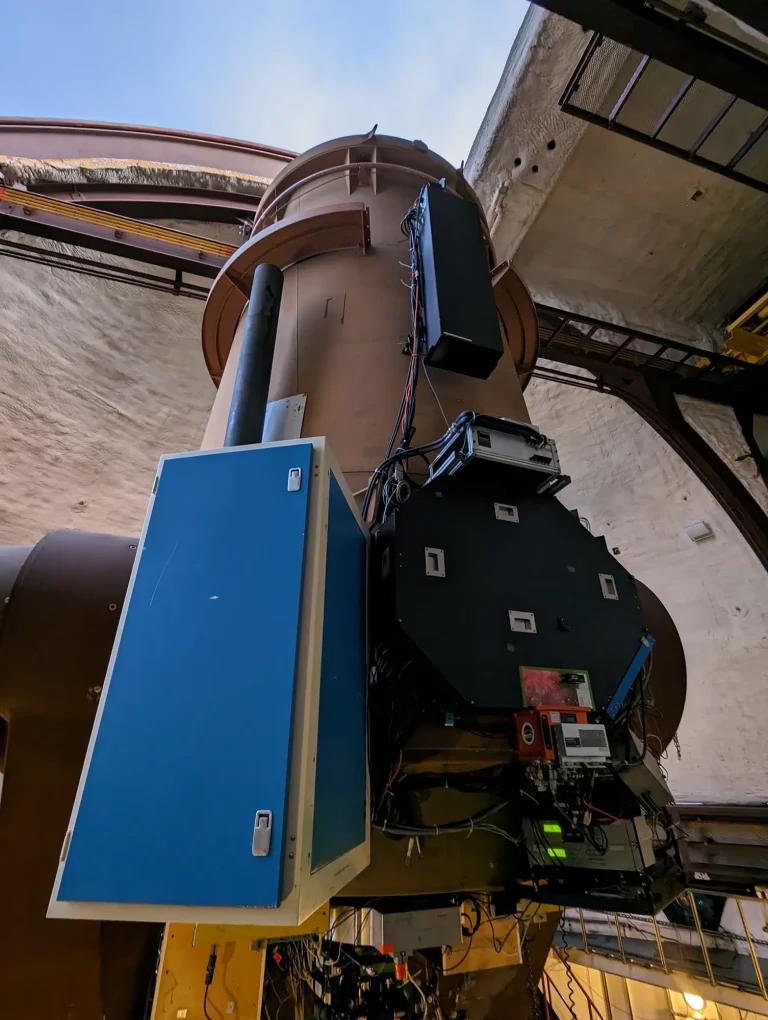
A new chapter in automated astronomy has begun on Maunakea. The University of Hawaiʻi Institute for Astronomy (IfA) has launched initial science operations for Robo-AO-2, a robotic laser adaptive optics system now operating at the UH 2.2-meter telescope. The milestone marks a major leap in how astronomers observe the night sky.
Robo-AO-2 is designed to correct the blur caused by Earth’s atmosphere, sharpening images of hundreds of objects each night with minimal human oversight. The system is led by astronomer Christoph Baranec, who has spent years advancing adaptive optics technology at IfA.
“Making Robo-AO-2 operational represents years of dedicated engineering and innovation,” said Baranec, a member of IfA’s robotic adaptive optics program. “This system demonstrates how University of Hawaiʻi facilities continue to pioneer technologies that eventually make their way to the world’s largest telescopes and space missions.”
Hunting for habitable worlds
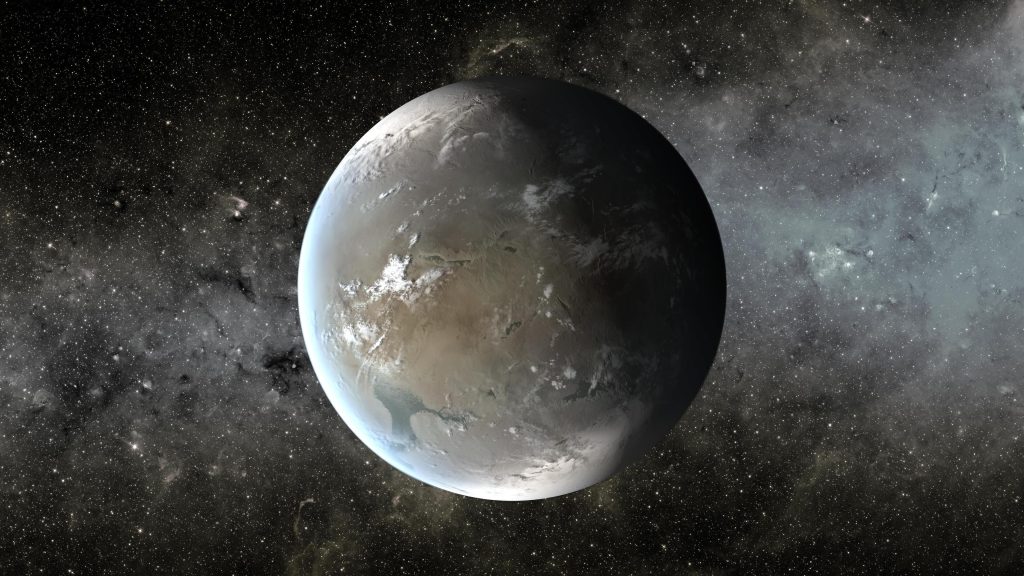
One of the first researchers to use the system is graduate student Guillaume Huber. He is conducting observations for NASA’s future Habitable Worlds Observatory, which will search for signs of life on planets around nearby stars. Huber is vetting a catalog of nearby stars that could host Earth-like planets.
“The Habitable Worlds Observatory will search for signs of life on planets orbiting other stars, but first we need to ensure those target stars don’t have close stellar companions,” Huber said. “Robo-AO-2’s ability to rapidly survey hundreds of targets makes it uniquely suited for this preparatory work.”
Advancing automation
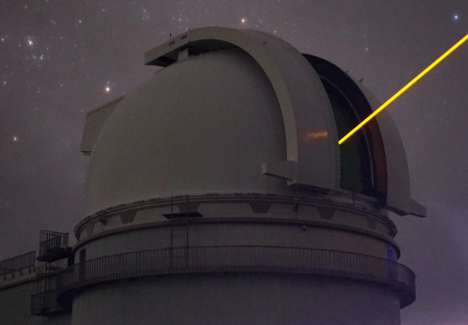
New funding is driving the system even further. This year, the National Science Foundation and the Mt. Cuba Astronomical Foundation awarded $679,075 to fully automate Robo-AO-2. The NSF award will also support testing a new adaptive secondary mirror for the UH 2.2-meter telescope, led by IfA astronomer Mark Chun. This technology could significantly improve image quality for future ground-based observatories.
“The adaptive secondary mirror will allow us to correct atmospheric turbulence directly at the telescope’s secondary mirror,” Baranec said. “Robo-AO-2 will play a crucial role in testing and validating this technology.”
Training the next generation
For IfA, the project is also about training. Students gain rare hands-on experience with real instruments at the university’s own facilities. The UH 2.2-meter telescope serves as a crucial testbed where new instruments and techniques can be developed before deployment on larger facilities.
“Students are not just operating instruments—they’re helping to build and improve them,” Baranec said. “Those skills are invaluable for careers in astronomy and engineering.”
Sponsored Content