

Hōkūleʻa and Hikianalia welcomed into Ōkahu Bay, Auckland by Ngāti Whātua Ōrākei
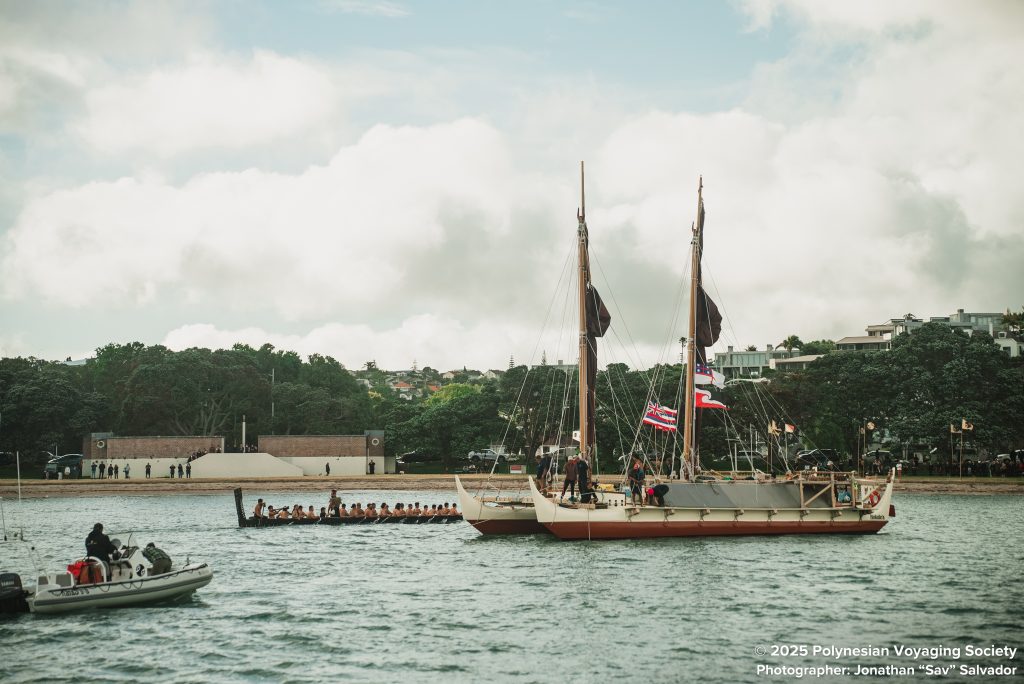
 Ōkahu Bay arrival, Nov. 18, 2025. (Credit: Jonathan “Sav” Salvador / Polynesian Voyaging Society)
- Ōkahu Bay arrival, Nov. 18, 2025. (Credit: Jonathan “Sav” Salvador / Polynesian Voyaging Society)
- Ōkahu Bay arrival, Nov. 18, 2025. (Credit: Jonathan “Sav” Salvador / Polynesian Voyaging Society)
- Ōkahu Bay arrival, Nov. 18, 2025. (Credit: Jonathan “Sav” Salvador / Polynesian Voyaging Society)
- Ōkahu Bay arrival, Nov. 18, 2025. (Credit: Jonathan “Sav” Salvador / Polynesian Voyaging Society)
- Ōkahu Bay arrival, Nov. 18, 2025. (Credit: Jonathan “Sav” Salvador / Polynesian Voyaging Society)
- Ōkahu Bay arrival, Nov. 18, 2025. (Credit: Jonathan “Sav” Salvador / Polynesian Voyaging Society)

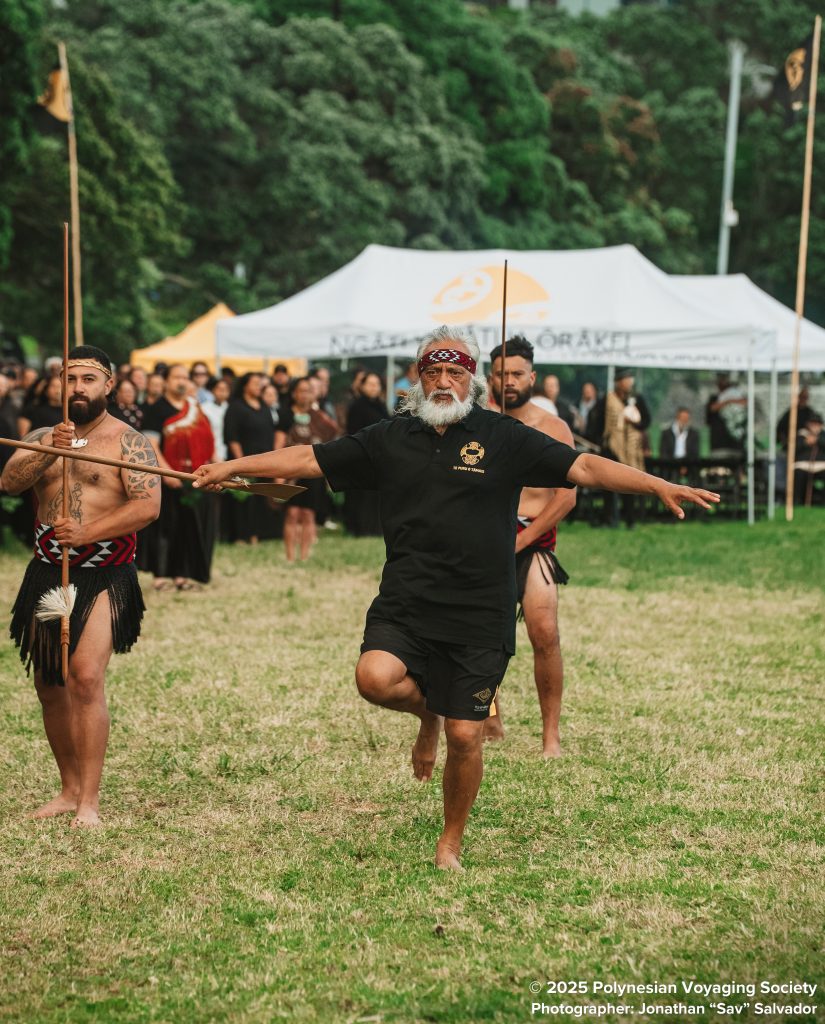
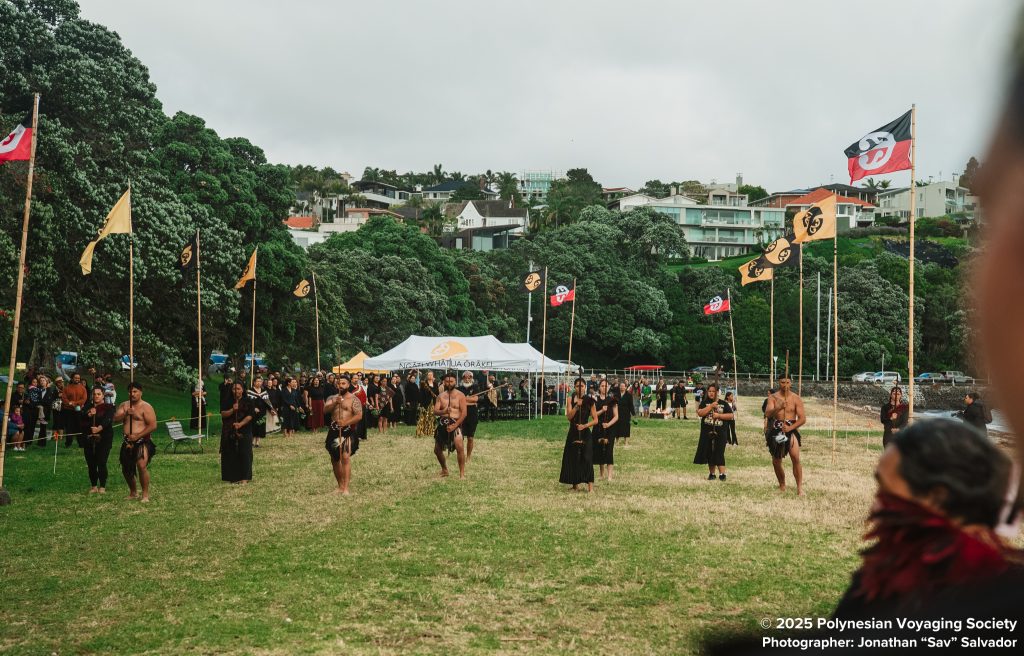
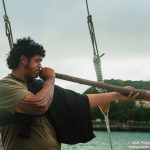

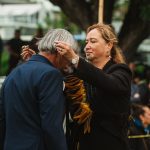
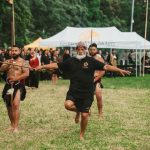
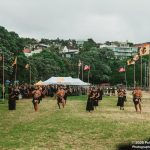
The Polynesian Voyaging Society’s double-hulled canoes Hōkūleʻa and her sister vessel Hikianalia received a powerful and deeply moving welcome into Ōkahu Bay, Auckland from Ngāti Whātua Ōrākei Tuesday morning. The canoes were joined by Haunui, a waka hourua (double-hulled canoe) of Te Toki Voyaging Trust.
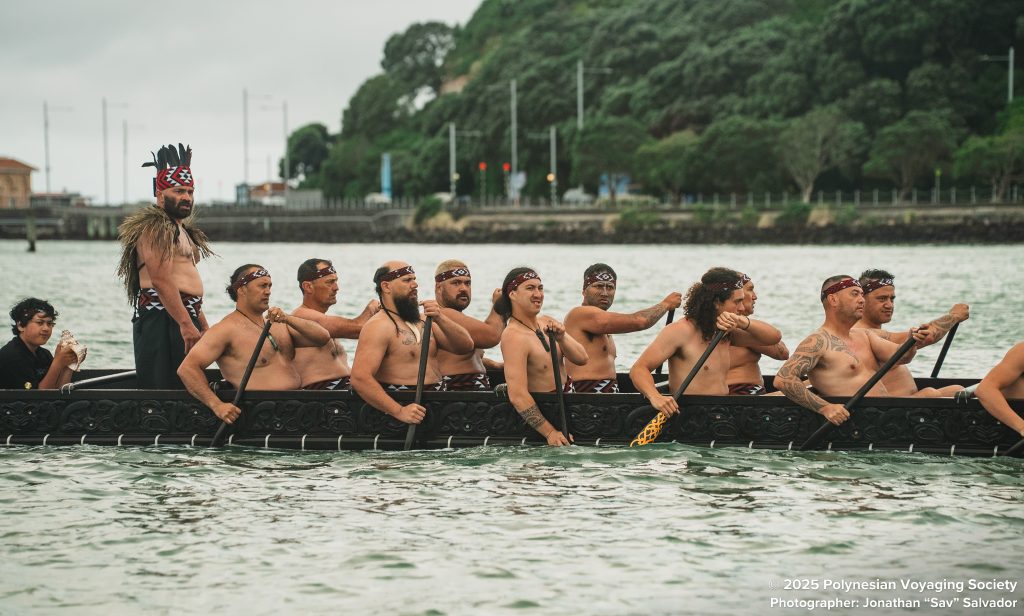
As the canoes entered Ōkahu Bay, they were greeted on the water by Ngāti Whātua Ōrākei tribal members in waka taua Te Kawau, a Māori war canoe named for both the tribe’s rangatira (chief) Apihai Te Kawau and the shag bird that is prominent throughout Ōkahu Bay and Tāmaki Makaurau. The wahine of Ngāti Whātua Ōrākei were aboard Tātai Hono, a waka tangata. According to the tribe, this is the first time Te Kawau has welcomed manuhiri (visitors) into his waters as the canoe was built and launched just one year ago.
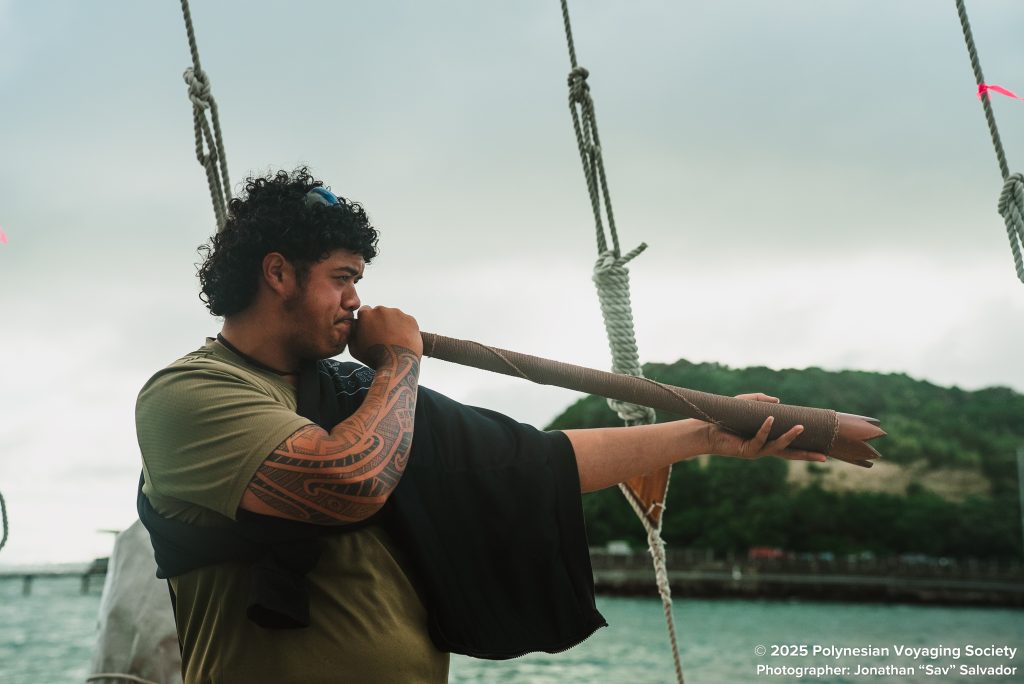
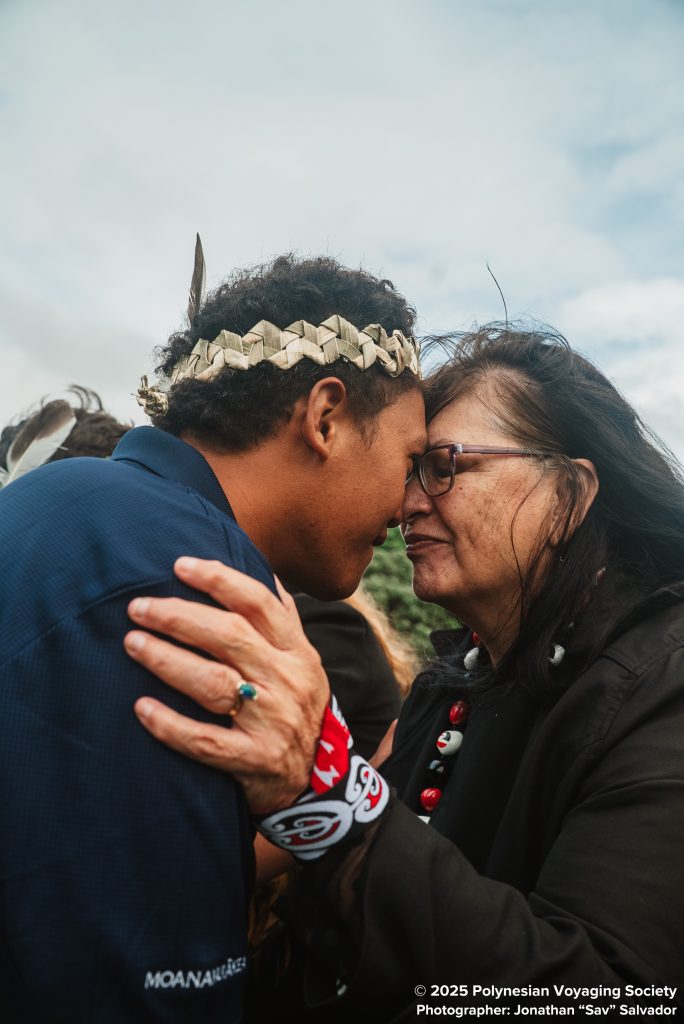
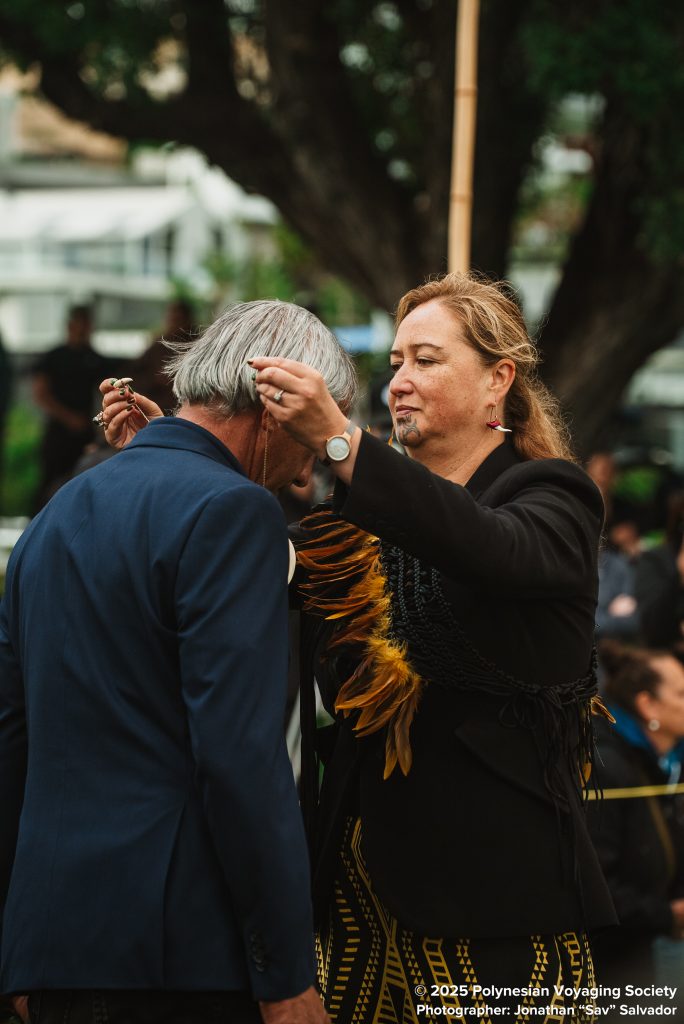
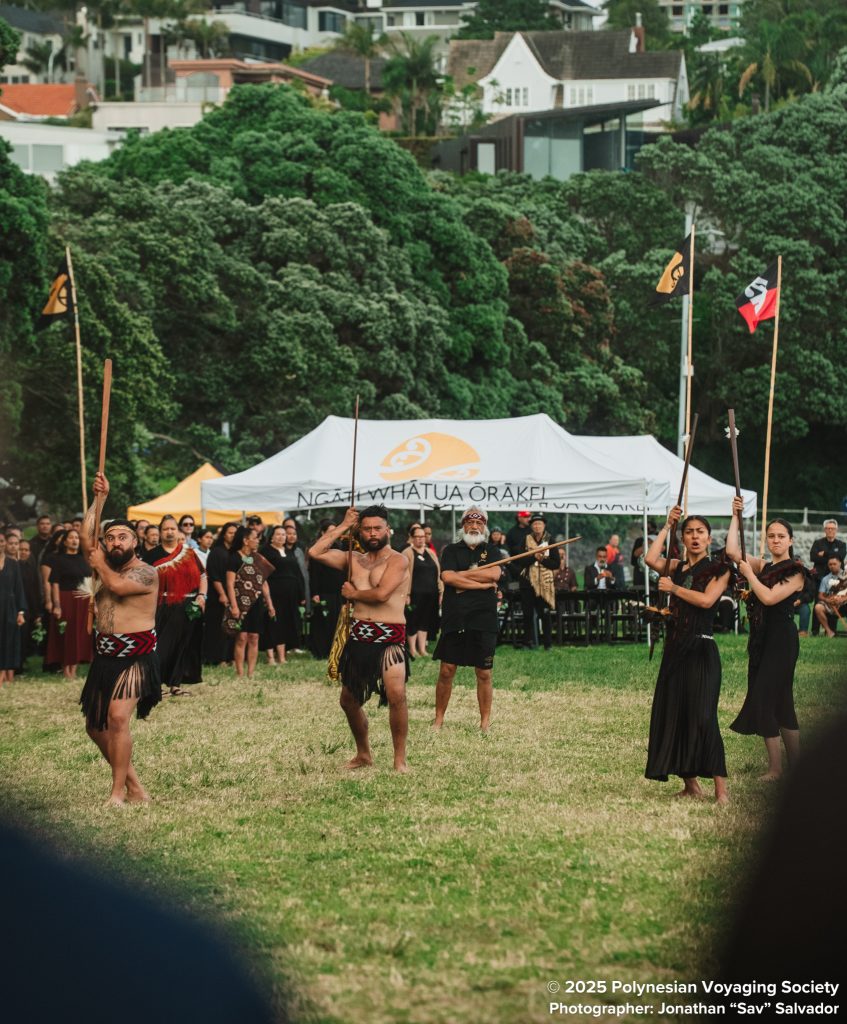
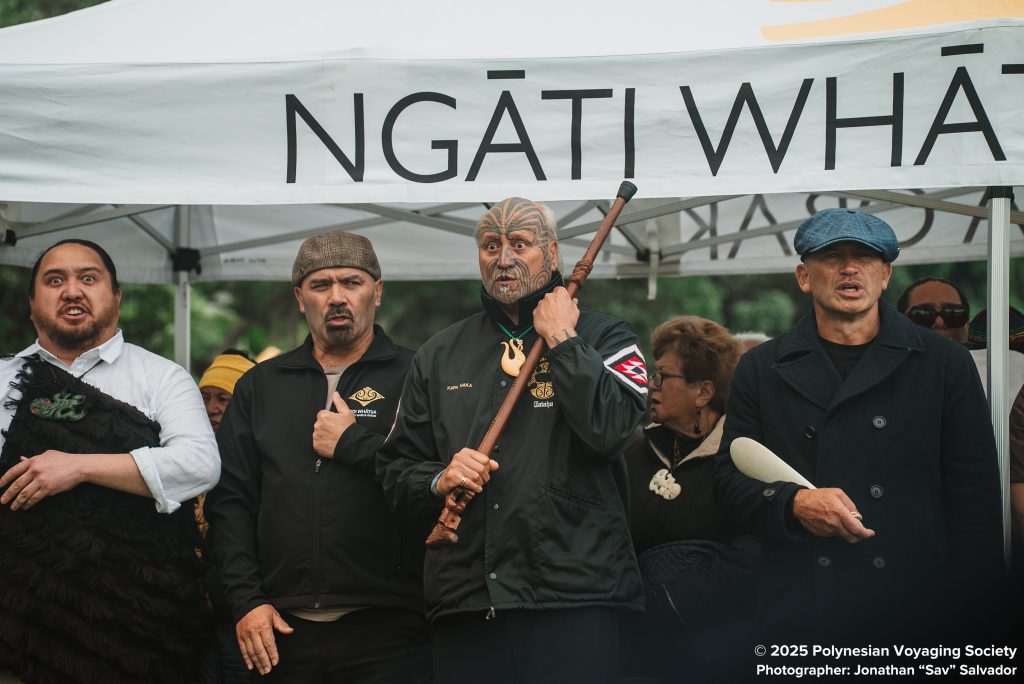
Waiata (traditional Maori songs), pūtātara and chants rang out across the bay, where an estimated 200 people gathered to witness the historic arrival of the Hawaiian canoes. Once Hōkūleʻa and Hikianalia were anchored, the crew were transferred to shore by boat and then welcomed with a traditional pōwhiri (welcome ceremony) starting with the Māori protocol of wero.
Renata Blair, board member of Ngāti Whātua Ōrākei Trust, commenting on the arrival, said, “It is really significant. It just invokes all of our relationships across the whole of Moana-nui-a-kiwa, and we know that strengthening our ties helps us to be stronger, helps us to recognize where our origins are from, and also embrace them so that we can project our pathway forward as a people.”
Following the pōwhiri at Ōkahu Bay, Hōkūleʻa and Hikianalia sailed to the Auckland Marina, where they are now docked behind the New Zealand Maritime Museum and conducting dockside canoe tours for the public and attendees of the World Indigenous Peoples’ Conference on Education (WIPCE).
This Auckland welcome follows last week’s formal ceremonies in Waitangi, where the canoes were received by Te Tiriti o Waitangi Marae and Te Tai Tokerau communities. The events marked both the canoes’ return to Aotearoa and the 40-year anniversary of Hōkūleʻa’s first historic landfall in 1985, a moment that sparked a lasting kinship between Māori and Hawaiian voyagers.
Hikianalia’s next stop is Aurere, homeland of the late Māori Pwo navigator and waka builder Sir Hector Busby, for events on Saturday, Nov. 22 honoring Busby’s leadership and role in reviving Māori voyaging. The event will include an afternoon of family fun, Kaupapa Waka, and Hawaiian culture featuring Te Tai Tokerau Tārai Waka, crew of Hōkūleʻa and Hikianalia and the students and staff of Kamehameha Schools.
The event, called “Tauhere,” is scheduled for Saturday, Nov. 22, 1 to 4:30 p.m. NZST and will take place at the Sir Hek Busby Kupe Waka Centre, 4554 State Highway 10, Lake Ohia, Doubtless Bay.
After the event, Hikianala will return to Auckland Marina to rejoin Hōkūleʻa. They will remain docked at the Auckland Marina until Jan. 19, 2026, when the canoes go into drydock.
The Moananuiākea Voyage is a 43,000-nautical mile circumnavigation of the Pacific by traditional voyaging canoe, aiming to ignite a movement of cultural and environmental stewardship, youth leadership, and community resilience.
Sponsored Content