Coastal limu testing shows nutrient pollution patterns across Maui shores
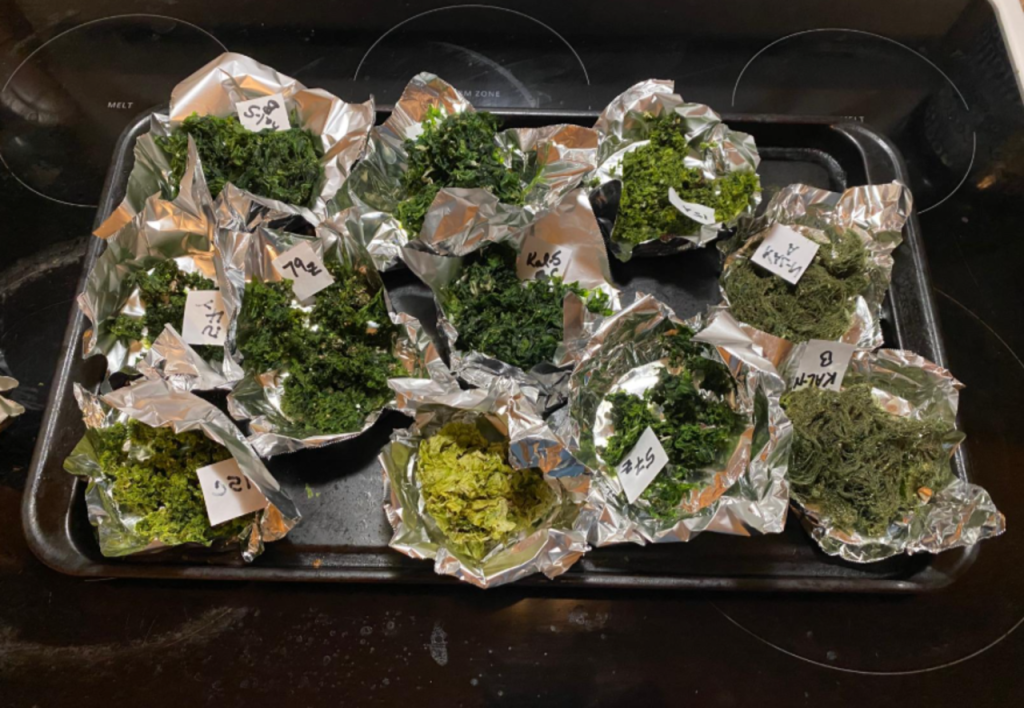
The latest round of coastal limu sampling on Maui appeared to find unusually high nitrogen levels at Kahului Harbor and Pōhaku Park, also called “S-Turns,” but low wastewater indicators, according to the Maui Nui Marine Resource Council, which coordinated the project. Researchers say the mixed results require further investigation to determine the nitrogen source.
MNMRC uses several types of limu — also known as seaweed or macroalgae — to evaluate freshwater flow and nutrient conditions along Maui’s coast. Species such as limu ‘ele‘ele indicate coastal springs, while limu palahalaha can signal both freshwater seepage and elevated nutrient levels. Because nitrogen is limited in coral reef systems and is an important fertilizer for marine plans, limu readily absorbs and stores it, allowing laboratory analysis of nitrogen concentrations and nitrogen isotope ratios to show whether there is excess nitrogen in the water, and whether it came from wastewater or natural processes.
This year’s testing expanded on two years of monitoring in South Maui, adding new study sites on the North and West shores with funding from the County of Maui’s Environmental Protection & Sustainability Division. Participants from MNMRC and local, county and state agencies assisted with collections.
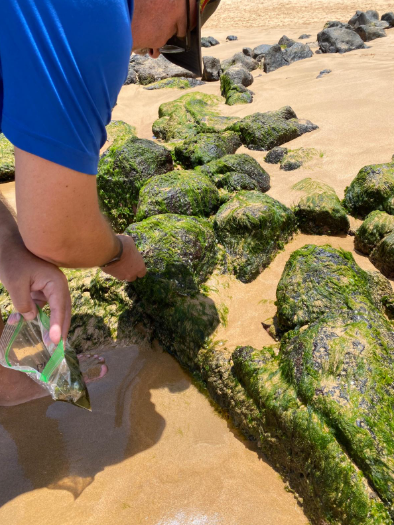
MNMRC said the results from all coasts were, for the most part, in line with findings from South Maui in 2023-2024. Any sort of development along a coastline correlated with increased nutrient pollution compared to unpopulated areas, like along Keālia Pond or near Ho’okipa.
The study showed coastlines downstream of municipal wastewater treatment plant injection wells had high nutrient and wastewater signals: Kalama Park, Kahekili Beach and Kanahā.
The unusual findings of high nitrogen levels with low wastewater signal at Kahului Harbor and at Pōhaku Park, or S-Turns, are under further investigation. On the suggestion that this may indicate untreated wastewater, MNMRC is engaging with Surfrider Foundation’s Blue Water Task Force to test for signs of enterococcus bacteria at these sites as a next step. Additional limu samples aim to help MNMRC better understand if this is a persistent concern and if the nutrient pollution is a focused or spread-out source.
MNMRC has published interactive results through an online StoryMap, viewable here. The site receives updates as new data becomes available.
Sponsored Content