DOH Monitoring first wastewater detection of measles in Maui County
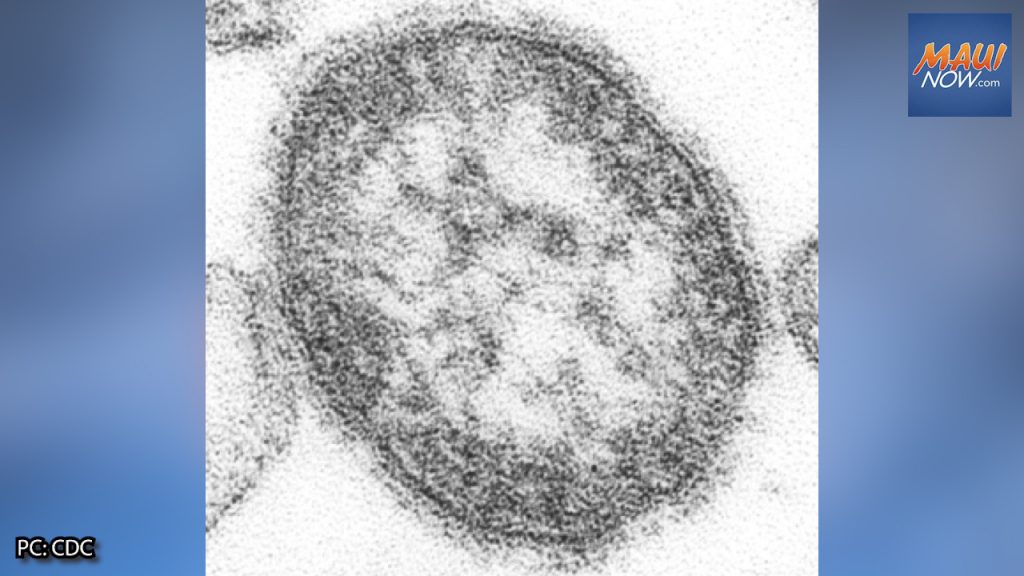
The Hawaiʻi Department of Health is monitoring a positive wastewater sample for the measles virus, the first-ever wastewater detection of the virus for Maui County. The samples were collected Nov. 18, 2025, at two sites in Central and West Maui County, and tested through the National Wastewater Surveillance System. The virus detected is the naturally occurring type that spreads from person to person, not the weakened form used in vaccines. No suspected measles cases have been identified on Maui.
DOH was notified of Kauaʻi’s first positive wastewater detection of measles in October, though at the time, no suspected measles cases were identified on the island.
Each week, municipal wastewater samples across Maui are sent for testing to identify infectious diseases circulating in the community. Wastewater sampling is routinely conducted across Hawaiʻi as part of infectious disease surveillance. It can detect viruses shed by infected individuals, even if they are not showing symptoms or have not reported illness.
The presence of the measles virus in wastewater does not confirm a clinical case or community spread. Instead, it serves as a reliable indicator to be alert for possible measles cases. Measles detected in wastewater most likely means that someone infected with the virus was present in the area served by that treatment plant, but wastewater testing can’t tell us whether the virus is alive, infectious, or when it was shed.
The State Laboratories Division will continue to work with NWSS to monitor and test wastewater samples to support early detection and public health preparedness.
Measles is also being monitored in wastewater in other areas of the state by WastewaterSCAN.
The DOH urges the public to stay up to date on the measles, mumps and rubella vaccine. “Measles is highly contagious but preventable through vaccination. Infants younger than a year old are at particularly high risk because they are too young to be vaccinated, but in certain situations, vaccination may be recommended for children between 6 and 12 months if they are exposed to a known case. To get an MMR vaccine, contact your medical provider or pharmacy,” the DOH advises.
If you traveled to an area with a current measles outbreak, speak with your doctor if you develop symptoms. International and US locations are still experiencing cases of measles, with 43 jurisdictions reporting 1,753 confirmed cases as of Nov. 18, 2025. A total of 23 measles cases were reported among international visitors to the US. The DOH will issue a medical advisory to healthcare providers statewide with information on how to test for measles and current vaccination recommendations.
Measles symptoms usually start with a high fever, cough, runny nose and red eyes, followed by a rash of tiny red sports that begins at the head and spreads downward. The disease can lead to serious complications, including pneumonia, neurological illness and death.
If you think you have symptoms of measles or were exposed to someone with measles, isolate yourself immediately and contact your healthcare provider for guidance to avoid further spread.
For more information about measles, visit:
- DOH measles information website
- CDC measles website
- General NWSS site
- Measles Data
- MMR vaccine factsheet
- Wastewater Data for Measles | National Wastewater Surveillance System | CDC
- WastewaterSCAN Dashboard
Sponsored Content