


Hawai‘i Wildlife Center reports record seabird fallout, treats more than 1,000 birds in three months
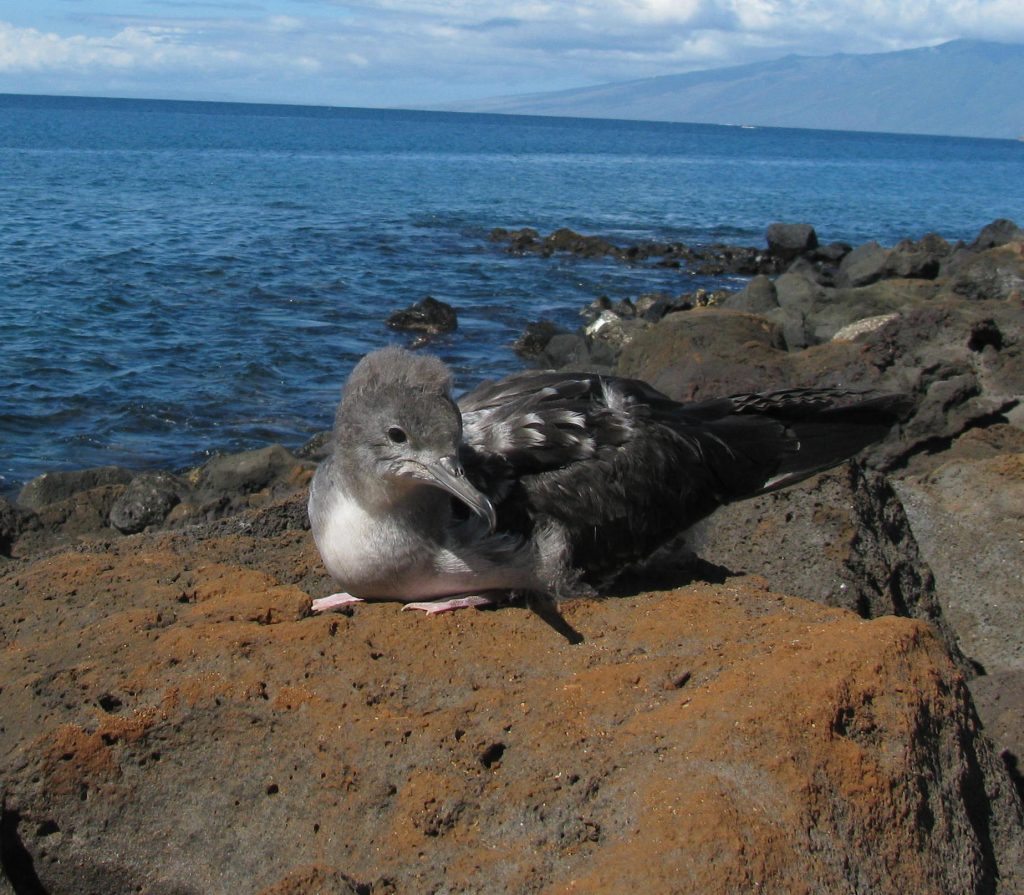
Seabird fallout season is winding down in Hawaiʻi, and the Hawaiʻi Wildlife Center is reporting record rescue numbers, with more than 1,000 native seabirds treated between September and December alone.
The surge pushed HWC’s total patient count for 2025 to 1,441—exceeding the 1,028 birds treated in all of last year. Earlier this season, the center also reached a major milestone, treating its 6,000th bird since opening in 2011.
In recognition of that achievement, Gov. Josh Green proclaimed Dec. 15 as “Bird and Bat Day in Hawaiʻi.”
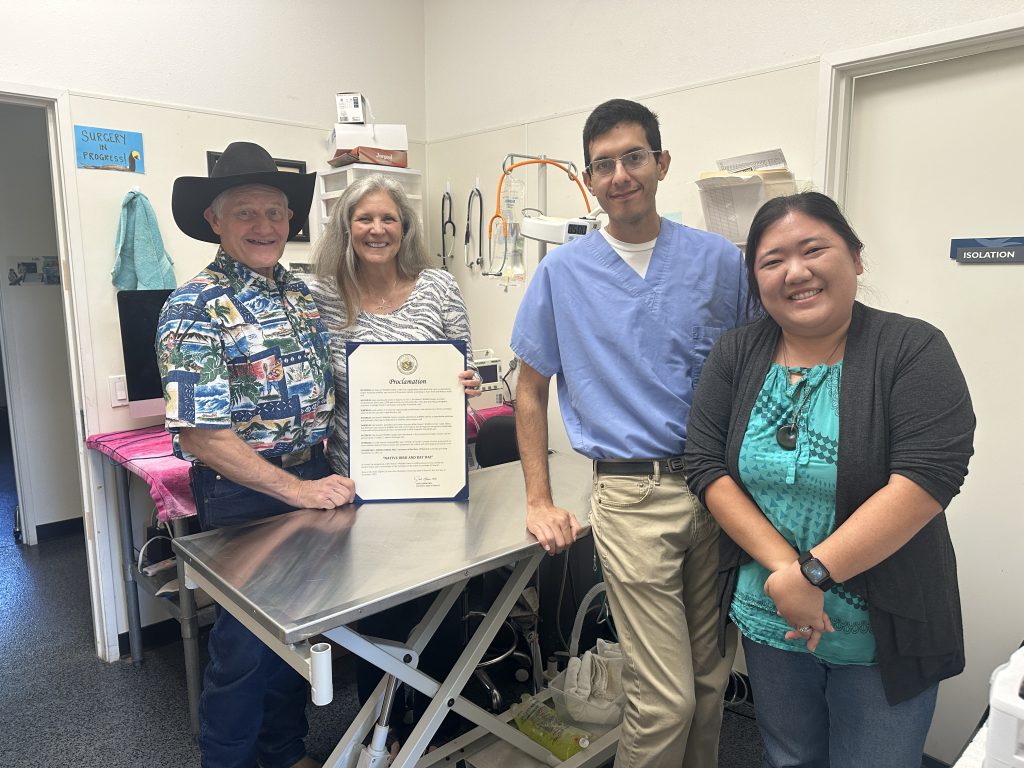
State Sen. Tim Richards and state Rep. David Tarnas visited the Hawaiʻi Island headquarters of the Hawaiʻi Wildlife Center to mark the achievement and discuss ongoing efforts to protect native bird species.
“By providing specialized, year-round care for native birds and bats, Hawaiʻi Wildlife Center fills a critical gap in our state’s conservation efforts,” Richards said. “The organization has set a new standard for wildlife care in our islands, and I’m so pleased to champion their efforts in safeguarding our natural environment.”
This year’s surge was supported by HWC’s longstanding partnership with Feather & Fur Animal Hospital, which serves as a critical intake location, receiving downed seabirds 24 hours a day, seven days a week, with HWCʻs Oʻahu-based staff set up upstairs to assess each bird and administer care. In November alone, during the height of fallout season, 983 ‘ua‘u kani (Wedge-tailed Shearwaters) were admitted, including 102 in a single day. Quick action by the public, dedicated volunteers and close collaboration with Feather & Fur contributed to the successful release of nearly 800 seabirds to date, a number that is expected to grow as additional patients complete rehabilitation.
“This year’s record numbers remind us how vulnerable our seabirds are and how powerful our community can be in helping to ensure they receive appropriate care and rehabilitation,” said Linda Elliott, president and founder of the Hawai‘i Wildlife Center. “2025 has been a pivotal year for HWC, and the recognition from Governor Green affirms how important this work is for Hawaiʻi’s native wildlife. We are deeply grateful to everyone who supported us this season.”
HWC remains one of two organizations permitted by state and federal wildlife agencies to provide medical treatmentand rehabilitative care to native winged wildlife.
Although this year’s seabird fallout season will be soon coming to a close, HWC encourages residents and visitors to remain vigilant for grounded native birds and bats year-round. The Hawaiʻi Wildlife Center has staff on Oʻahu year-round for wildlife care, based out of the HWC clinic at the Honolulu Zoo. The public may visit the site of HWC’s O’ahu clinic at the zoo and check out the new signage and wingspan exhibit, or the science and discovery center at its headquarters in Kapaʻau. The center also welcomes volunteers who wish to support its mission. To get involved, support the center or to learn more, visit HWC’s official website: hawaiiwildlifecenter.org.
Sponsored Content


_1768613517521.webp)

Subscribe to our Newsletter
Comments