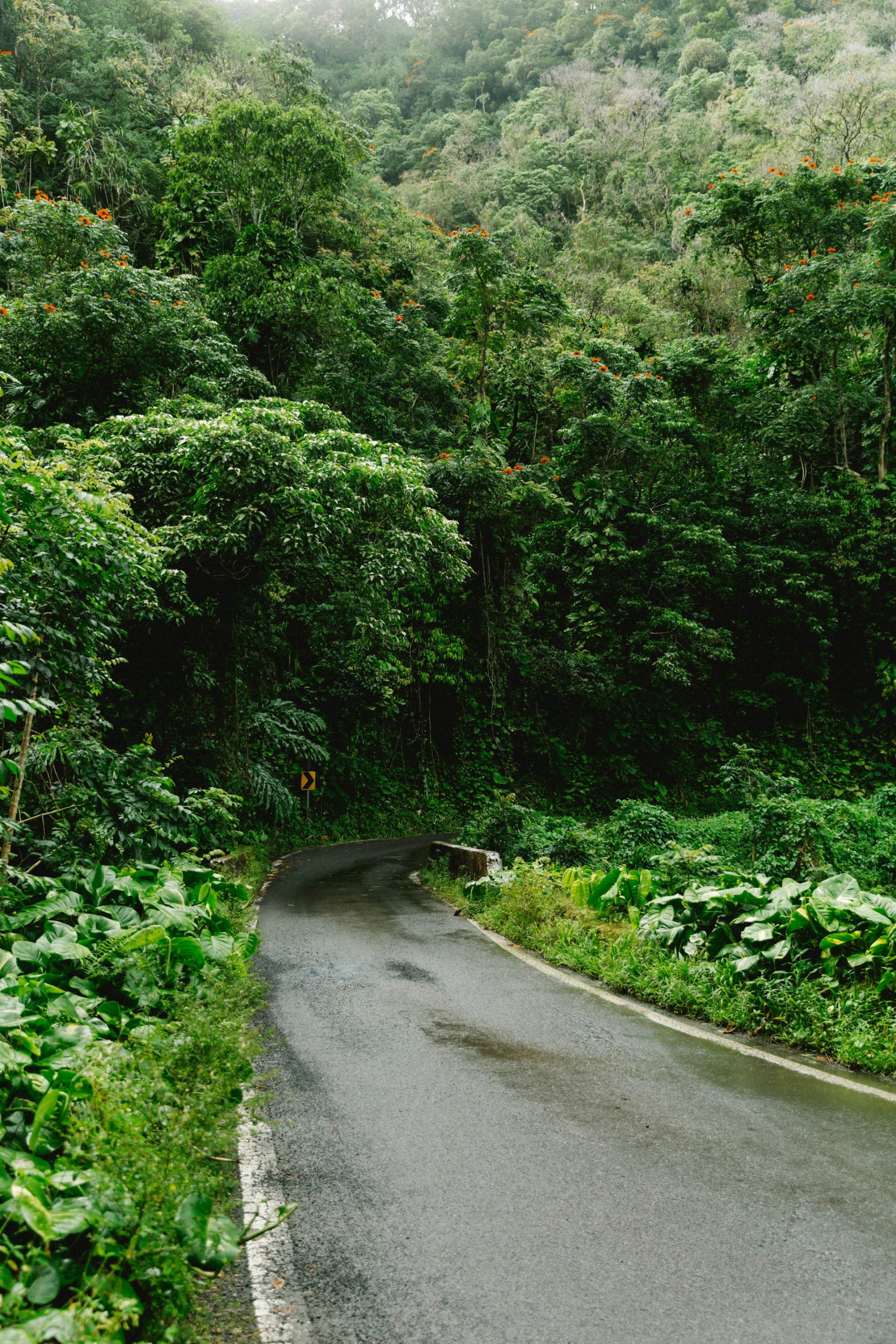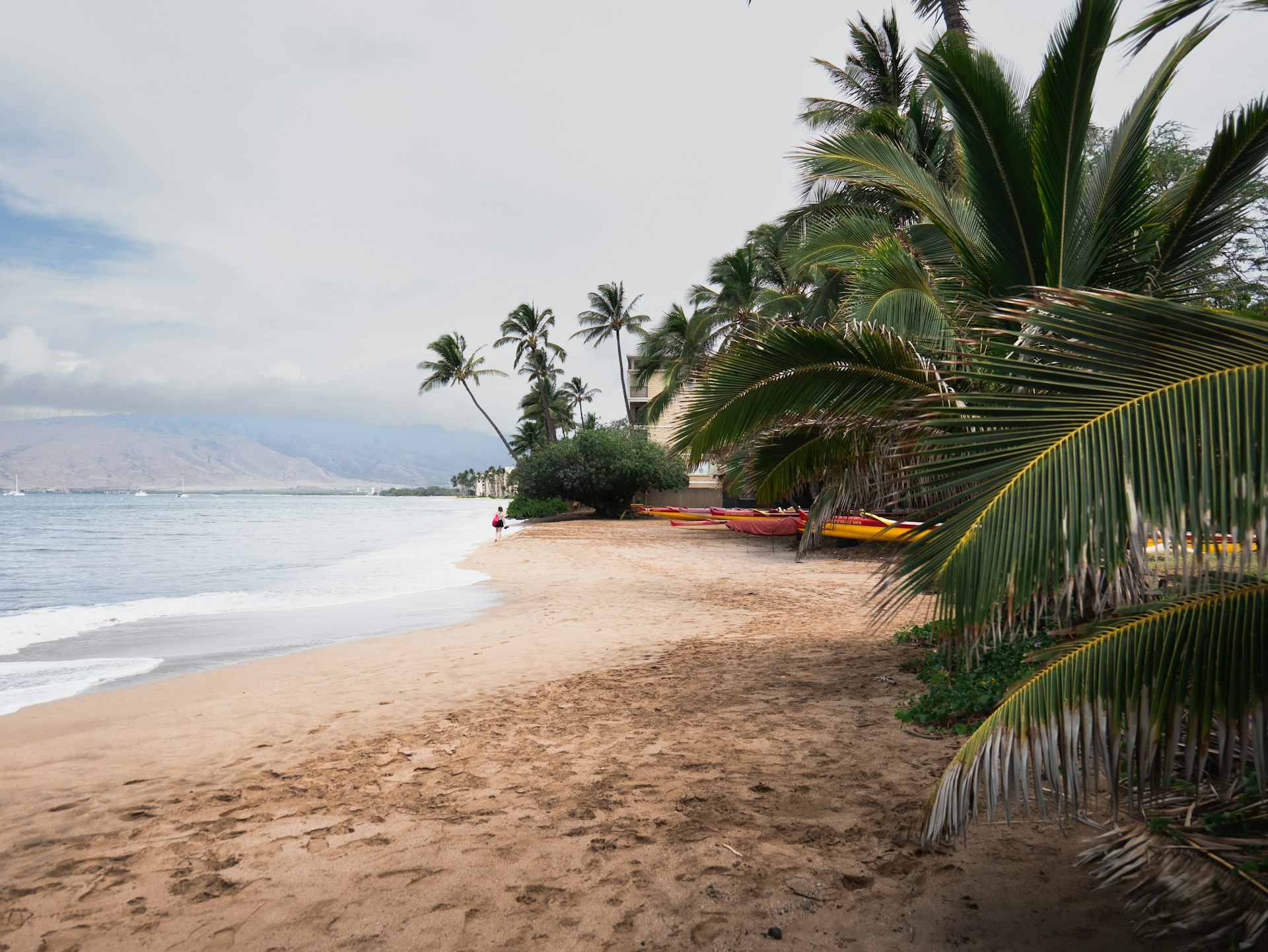
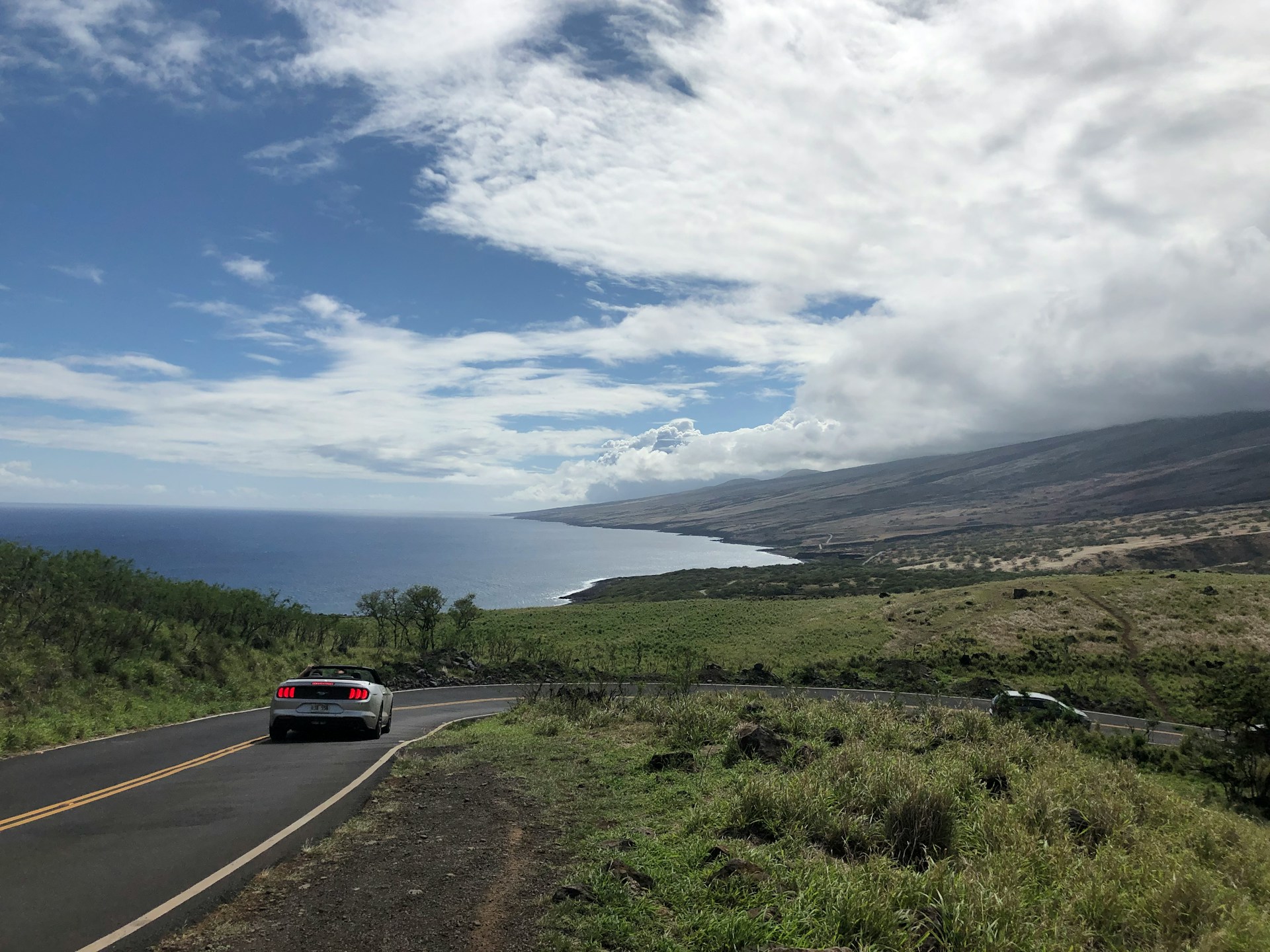
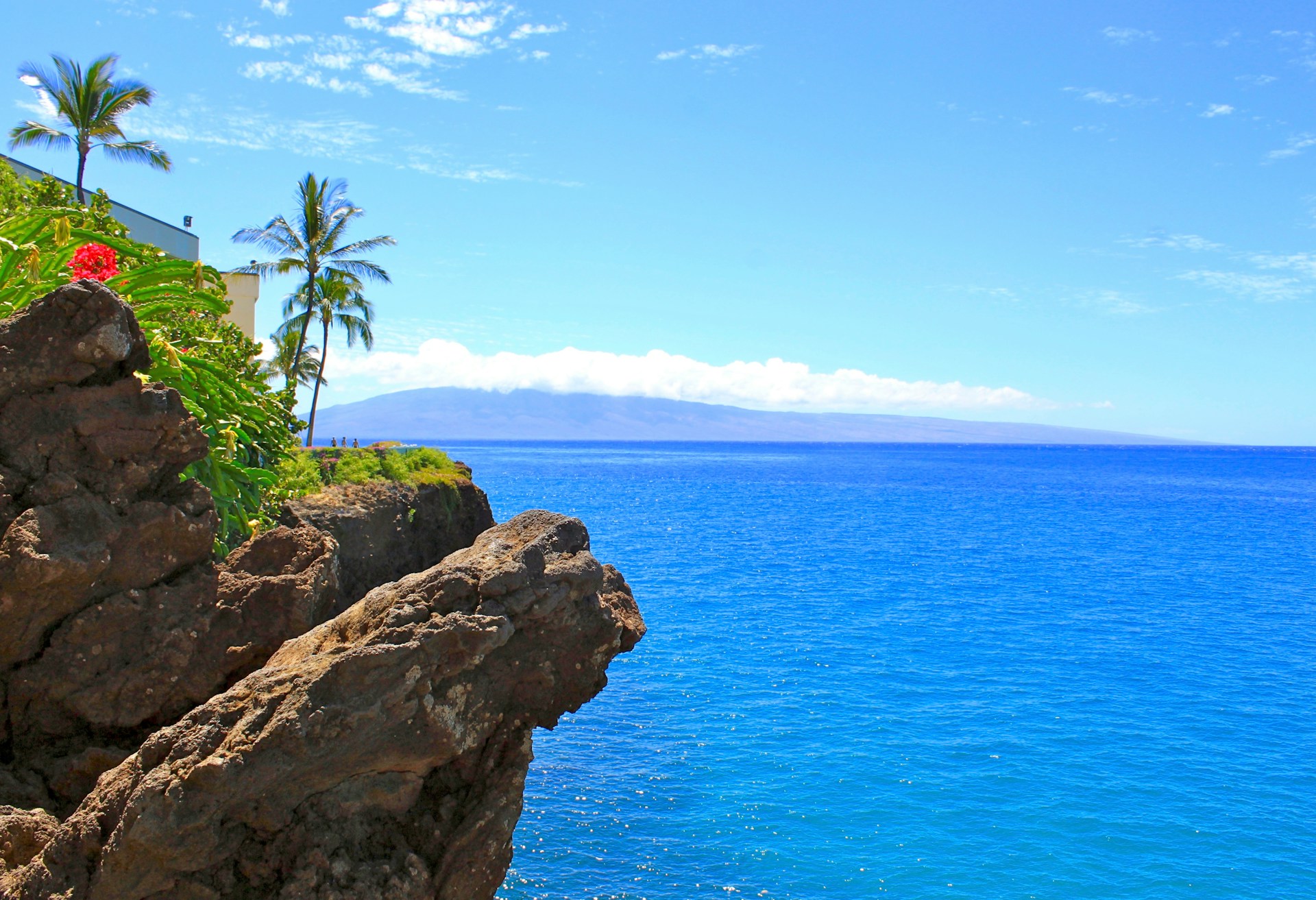

Driving the Road to Hana is one of the most iconic experiences on Maui, and February offers a unique mix of lush scenery, fewer crowds, and seasonal highlights. While winter brings a bit more rain to East Maui, it also transforms the landscape into a vibrant, green paradise filled with waterfalls, misty cliffs, and dramatic coastal views.
If you’re planning a Road to Hana trip in February, this guide covers what the weather is really like, how busy the road tends to be, and smart tips to help you make the most of the drive—whether you’re going it alone or considering a guided activity package.
What Is the Weather Like on the Road to Hana in February?
February is part of Maui’s winter season, which means slightly cooler temperatures and a higher chance of rain—especially along the windward (northeastern) side of the island where the Road to Hana winds through rainforest and coastal cliffs.
- Daytime temperatures: Mid-70s to low-80s °F
- Evening temperatures: Upper-60s to low-70s °F
- Rainfall: Short, passing showers are common; full-day rain is less typical
The upside of February’s rainfall is the scenery. Waterfalls are usually flowing at their strongest, the bamboo forests feel especially lush, and roadside streams are full. Cloud cover tends to come and go, so you’ll often experience a mix of sunshine and light rain during the same drive.
Do the Waterfalls on the Road to Hana Flow More in Winter?
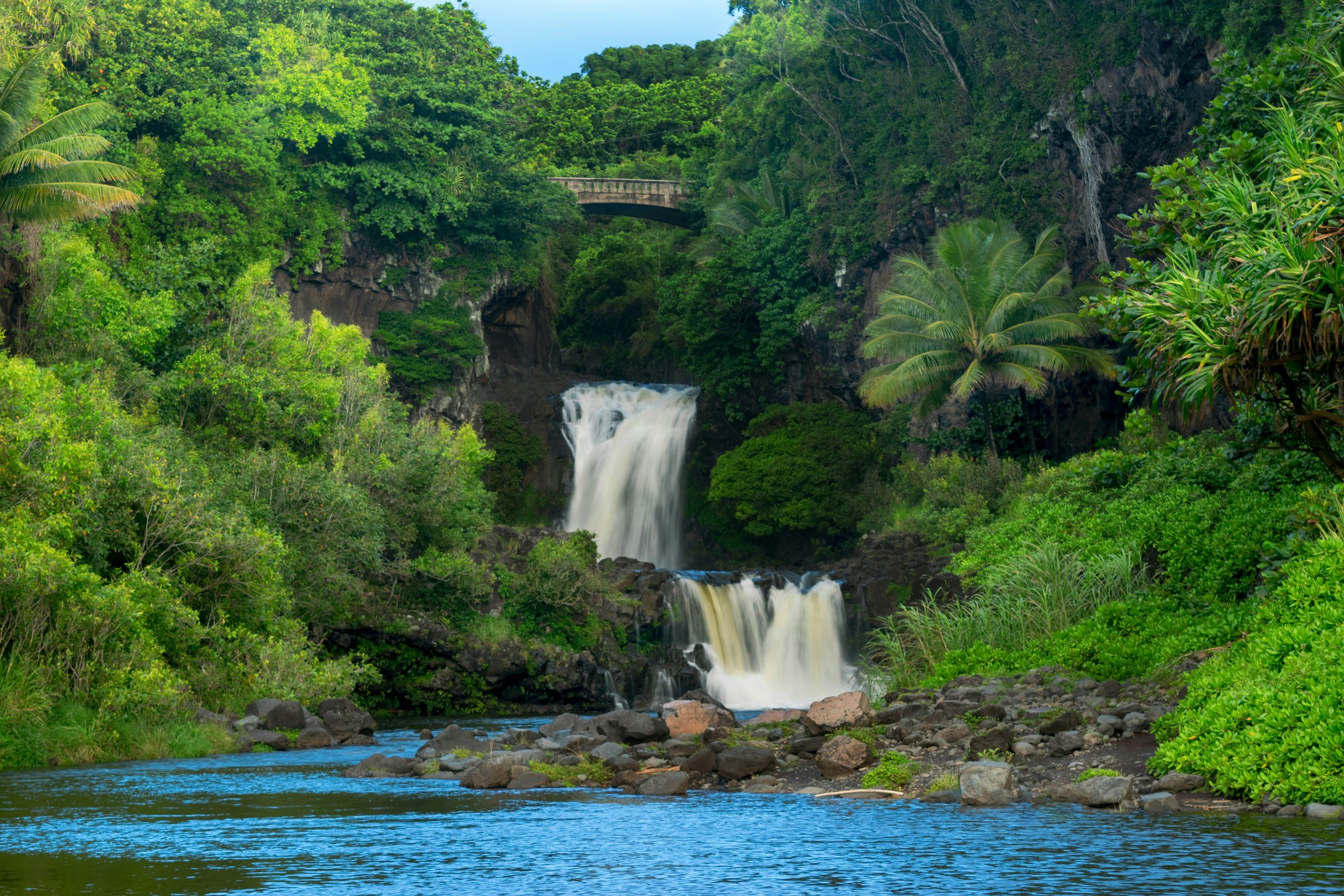
Yes, most waterfalls along the Road to Hana are typically at their strongest during Maui’s winter months, including February. Seasonal rain showers feed the streams and cliffside falls that line the route, resulting in fuller, more dramatic waterfalls than you’ll often see in summer.
Unlike summer, when some smaller waterfalls may slow to a trickle or dry up entirely, winter rainfall helps keep East Maui’s watersheds active. Even after short rain showers, waterfalls can surge noticeably, making February an especially scenic time for photography and waterfall stops.
That said, conditions can vary from day to day. While winter brings better waterfall flow overall, heavy rain can occasionally make some trails muddy or cause temporary closures. Checking weather conditions and choosing safe, well-maintained stops—either independently or through a guided experience—helps ensure a rewarding visit.
What to Pack for a February Road to Hana Drive
- Light rain jacket or poncho
- Comfortable walking shoes with traction
- Swimwear and a quick-dry towel
- Small backpack for hikes and stops
- Motion sickness remedies (the road has 600+ curves)
Is the Road to Hana Busy in February?
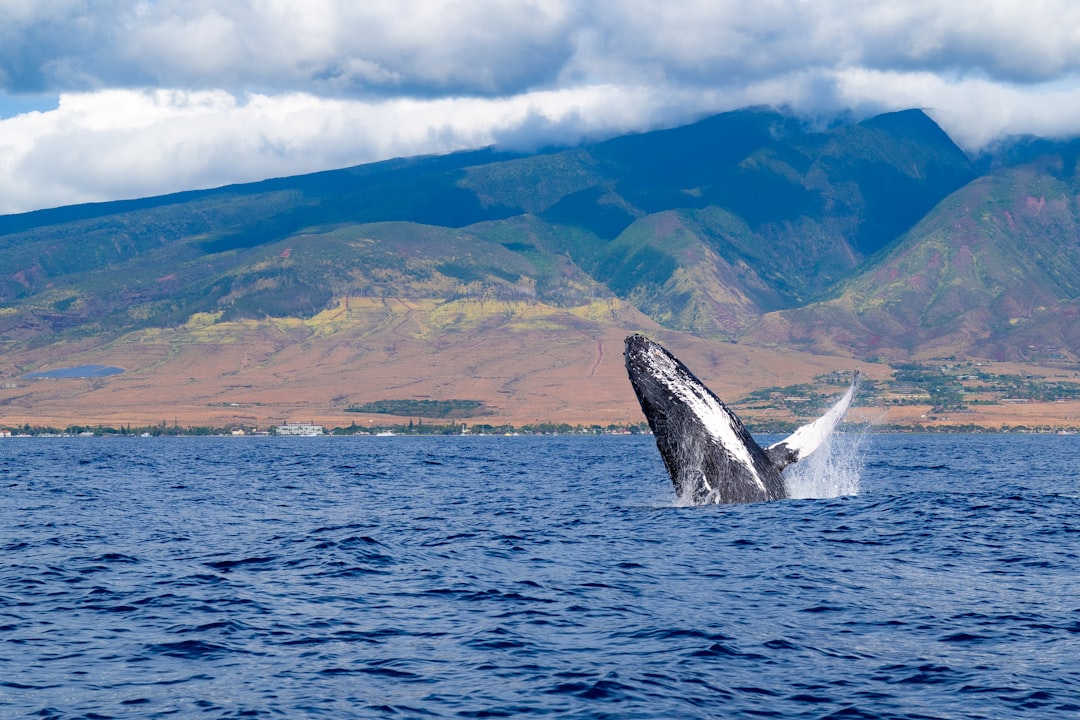
February falls within Maui’s peak winter travel season, but the Road to Hana itself is often less crowded than in summer. While overall visitor numbers on the island are higher due to winter escapes and whale season, fewer travelers attempt the full Hana drive compared to peak summer months.
That said, weekends and holidays can still be busy. Starting early—ideally before 7:30 a.m.—makes a noticeable difference, especially if you plan to stop frequently or explore popular spots like waterfalls and beaches.
Why February Is a Great Time for Road to Hana Activities
February is an excellent month to combine the Road to Hana with guided activities and curated experiences. Winter conditions often make ocean conditions rougher elsewhere on the island, which shifts many travelers toward scenic drives, cultural stops, and rainforest adventures.
Popular February activity options include:
- Guided Road to Hana tours with local drivers and narration
- Small-group or private sightseeing packages
- Waterfall hikes and nature walks (conditions permitting)
- Farm, garden, and cultural stops along the route
Guided packages are especially appealing in February because professional drivers are familiar with wet-road conditions, changing weather patterns, and safe stopping points—letting you focus on the scenery rather than navigation.
Driving Yourself vs. Booking a Road to Hana Tour
Some visitors enjoy the flexibility of driving themselves, while others prefer a guided experience—especially in winter months. February’s occasional rain and winding roads can make tours a more relaxed option for many travelers.
Self-driving advantages: Freedom to stop anywhere, set your own pace, and explore independently.
Tour advantages: No driving stress, curated stops, local insight, and a more efficient itinerary.
If your goal is to see the highlights without worrying about road conditions or parking limitations, activity packages often provide a smoother experience—particularly during Maui’s busier winter season.
Helpful February Tips for the Road to Hana
- Check weather conditions the morning of your drive
- Fuel up before leaving Paia or Kahului
- Respect local communities and posted signage
- Avoid stopping in unsafe or restricted roadside areas
- Be flexible—weather can change quickly
Is Traveling the Road to Hana in February Worth It?
Absolutely. February offers some of the most dramatic scenery of the year, with flowing waterfalls, rich greenery, and fewer crowds along the road itself than many visitors expect.
Whether you choose to drive yourself or book a guided activity package, planning ahead and understanding what February conditions are like will help you enjoy one of Maui’s most unforgettable experiences.
With the right preparation, the Road to Hana in February can be one of the highlights of your Maui trip.
You might also be interested in:
3 Best Ways to Tour the Road to Hana: From Budget to Luxury
From Waterfalls to Whales: 11 Tours that Define the Maui Experience