

Mayor Bissen: Maui’s wildfire recovery shifts gears to housing delivery and infrastructure investment
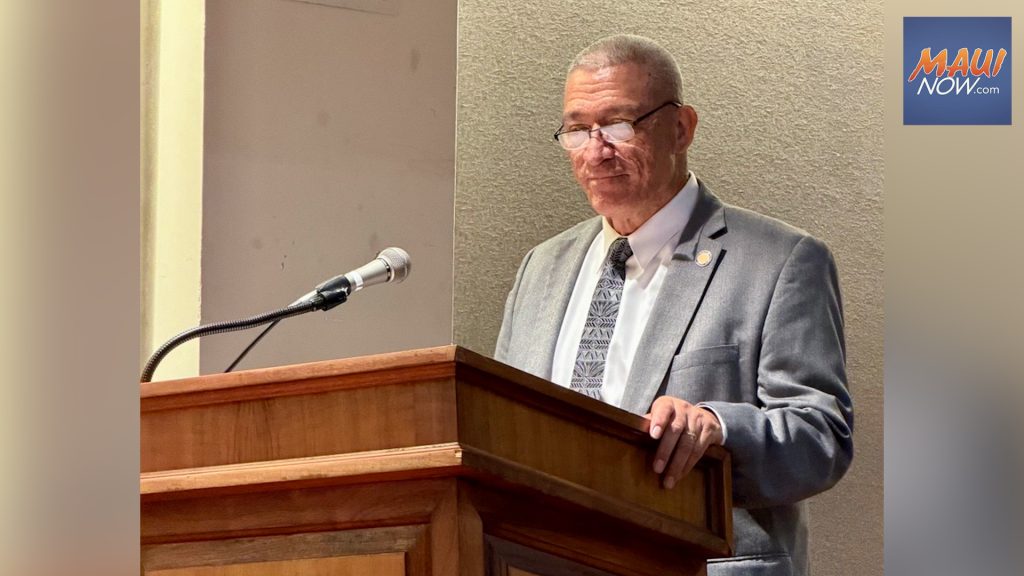
Mayor Richard Bissen told state lawmakers Monday that his administration has shifted its focus from immediate wildfire recovery to housing delivery and large-scale infrastructure investments, forecasting the construction of approximately 3,000 affordable and workforce homes by 2030.
With Hawaiʻi’s three other mayors, Bissen appeared before a joint hearing of the Senate Ways and Means and the House Finance committees at the State Capitol to update key lawmakers on the Maui County’s finances and recovery efforts following the August 2023 wildfire disaster.
“During my administration thus far, we have allocated over a quarter of a billion dollars toward affordable housing, supporting the development of 2,883 affordable units,” Bissen told the committees.
Bissen said 427 housing units have been fully constructed in Lahaina since the fires, and more than 500 affordable and workforce homes were built countywide in 2025. He estimated that more than 600 additional homes would be completed in 2026.
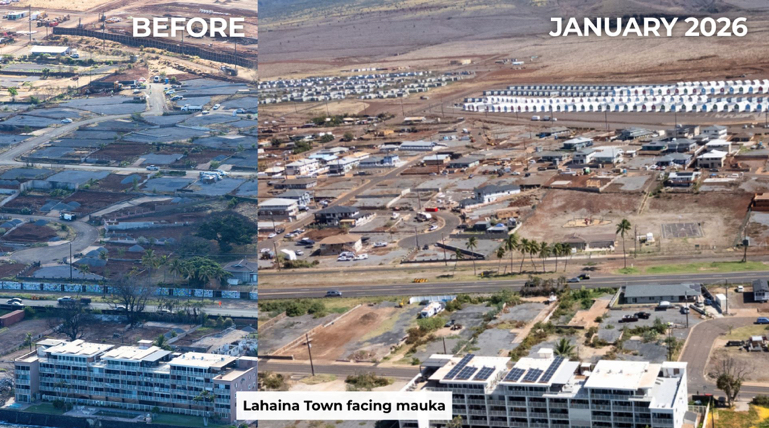
“With housing recovery on track, the county is shifting additional resources through commercial permitting, including infrastructure restoration waivers, fast-tracking, and the development of plans and design guidelines,” he said.
To support this growth, Bissen outlined a $1 billion infrastructure investment plan aimed at water, wastewater and transportation projects. The funding includes more than $500 million in disaster recovery funds.
In the near term, more than $1 billion in infrastructure investment is anticipated to support housing development, including more than $500 million and disaster recovery funds committed to water source and system improvements, expanded wastewater capacity and transportation and drainage projects.
“Together, these investments are building the backbone needed to support new homes for Maui County’s families,” Bissen said.
While the mayor highlighted the county’s investments, he also detailed significant financial requests coming from the state. The State of Hawaiʻi has asked Maui County to contribute nearly $220 million toward state-managed projects.
These include:
- Lahaina Bypass: In recognition of its importance to recovery and as an emergency evacuation route, the State of Hawai’i has requested a $100 million contribution from the County as part of a broader County and State recovery partnership. This would continue the bypass route north of its current terminus at Keawe Street.
- Front Street Apartments: The state has requested approximately $96 million from the County in fiscal year 2026, and the County has confirmed with the development team that the project’s application has been reviewed and is eligible up to the amount requested. The state has also requested an additional $20 million from County general funds in fiscal year 2028, which the Maui County administration supports, subject to Maui County Council review and approval.
- Hale ‘O Lā‘ie workforce housing project: The state has requested, and the County is proposing, $2.5 million in County funds in fiscal year 2027 to assist the state in covering operating expenditures for this facility through February 2027.
Meanwhile, Maui County is asking the Legislature for $10.5 million to support the Central Maui Wastewater Reclamation Facility. Bissen described the planned facility as essential for supporting housing development, growth and wastewater capacity in Central Maui.
During the briefing, Department of Environmental Management Director Shayne Agawa addressed questions regarding the timeline for the wastewater facility.
“We are on track to meet a bid opening roughly in mid of 2027,” Agawa said. “We anticipate about two years of construction and hopefully having the treatment plant operational sometime in calendar year 2029, early 2030.”
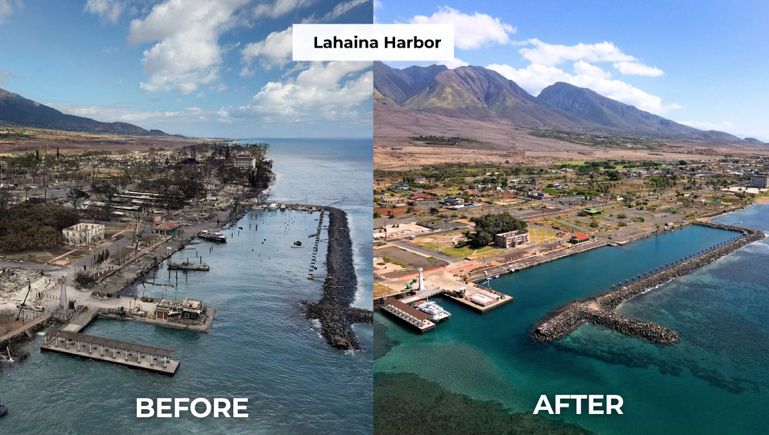
Bissen also updated lawmakers on economic recovery efforts in West Maui, noting the reopening of the Lahaina Small Boat Harbor to limited commercial operations and daytime public access. He said the county has provided security, fencing and “parking ambassadors” to help businesses resume services safely.
“As we look ahead to 2026, we are focused on continued partnership with the state to accelerate housing delivery, strengthen emergency readiness and wildfire mitigation, and advance infrastructure resilience,” Bissen said.
The committees are currently holding informational briefings as panel members formulate the state budget for the upcoming fiscal year.
Sponsored Content