‘Go Slow–Whales Below’ initiative aims for boater and whale safety during peak winter koholā season
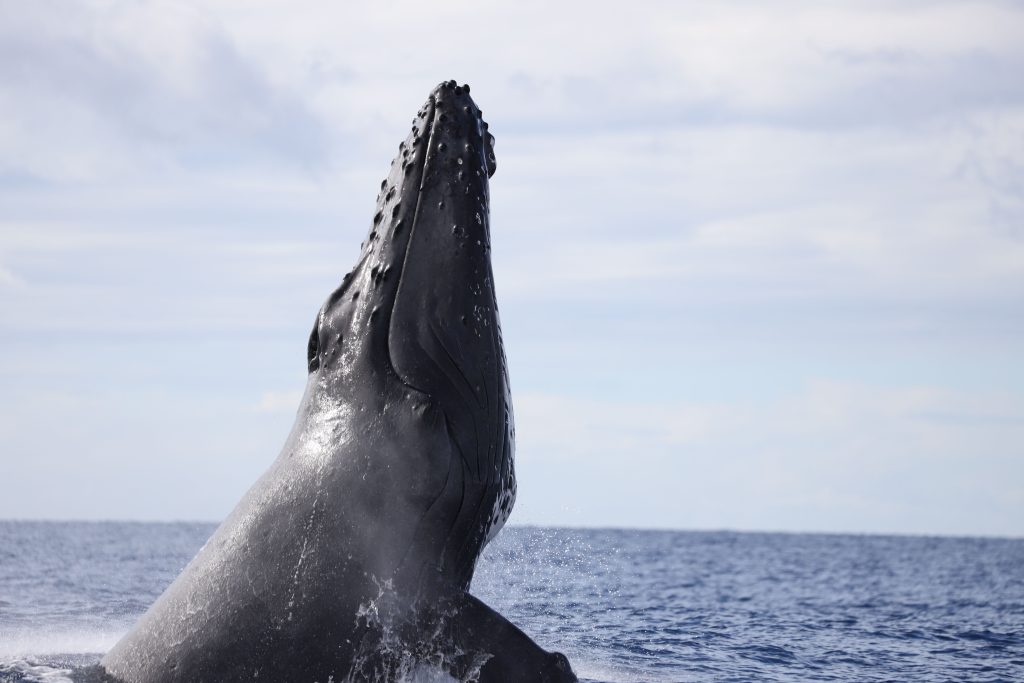
The “Go Slow – Whales Below” initiative is urging mariners to exercise caution as humpback whale season reaches its peak in Hawaiian waters. The safety warning follows the recent discovery of a humpback whale calf off the west coast of Oʻahu with a large gash across its back, an injury likely caused by a vessel strike.
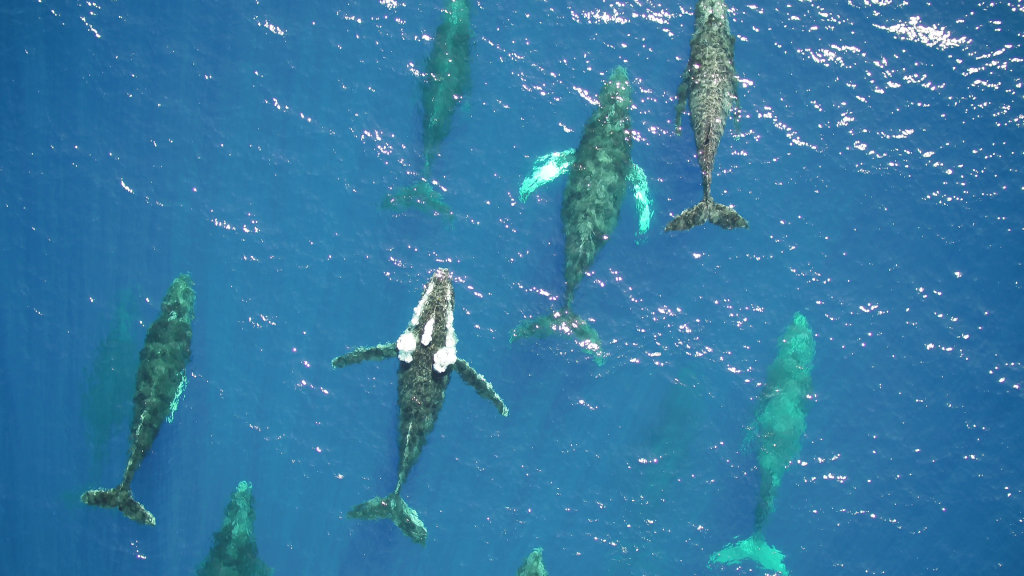
Conservation officials estimate more than 10,000 koholā, or humpback whales, migrate to Hawaiʻi each winter to breed and nurse their young. To protect both the animals and ocean users, the initiative promotes mindful navigation to prevent further collisions during the height of the migratory season.
The cooperative effort includes the Department of Land and Natural Resources Division of Aquatic Resources and the Division of Boating and Ocean Recreation, along with the National Oceanic and Atmospheric Administration’s Hawaiian Islands Humpback Whale National Marine Sanctuary.
Mariners are reminded to:
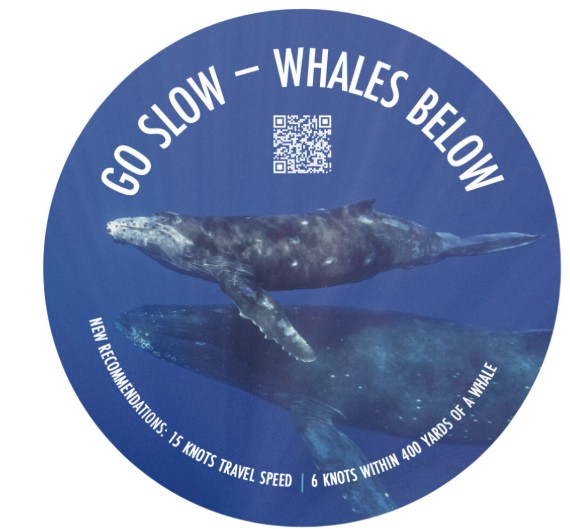
- Travel at 15 knots or less in waters 100 fathoms or shallower.
- Reduce speed to six knots or less when within 400 yards of whales.
- Maintain a distance of at least 100 yards from humpback whales, as required by law.
Ocean users are advised to remain vigilant for whales, especially curious calves. Because they are smaller and spend more time at the surface, calves are difficult to see and less likely to avoid vessels. Slowing down helps prevent collisions that can cause injury, death or property damage.
If a vessel-struck, entangled or distressed whale is encountered, the public should maintain a 100-yard distance and immediately call the NOAA Fisheries 24/7 Marine Wildlife Response Hotline at (888) 256-9840. If phone service is unavailable, reports should be made to the US Coast Guard on VHF Channel 16.
It is illegal and dangerous for untrained individuals to approach or attempt to disentangle a whale. Humpback whales can weigh more than 40 tons, and previous attempts by unauthorized persons to free animals have resulted in serious injury or death.
Rapid and accurate reporting — acting as the first responder — is the best way the community can help these compromised whales this season. Additional details on whale sightings and response efforts are posted at the DOBOR website: https://dlnr.hawaii.gov/dobor/boating-with-whales/.
Initiative members expressed appreciation to the community for their help in reporting and documenting whales in Hawaiian waters.
Sponsored Content