
 Hawai'i Journalism Initiative
10 years after sugar plantation’s closure, Puʻunēnē Mill’s transformation in the works
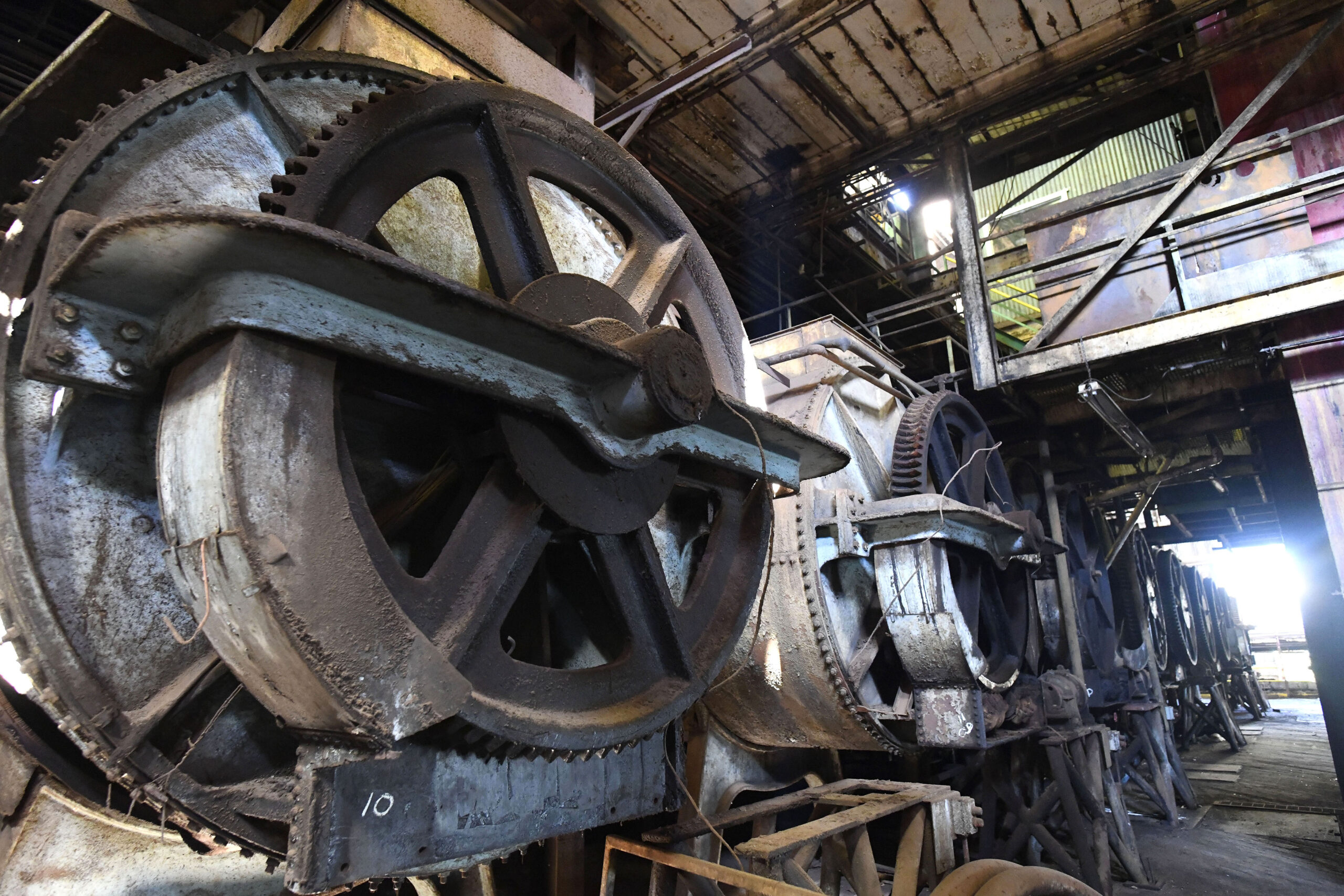
PUʻUNĒNĒ — At the Puʻunēnē Mill, the industrial machinery that once made the facility one of the most efficient sugar-processing operations in the world sits covered in dust.
Debris litters the floors, and nearly every locker door and desk drawer hangs open, pillaged by scavengers, copper thieves and squatters.
HJI Weekly Newsletter
Get more stories like these delivered straight to your inbox. Sign up for the Hawai‘i Journalism Initiative's weekly newsletter:
The century-old Central Maui facility has sat idle since December 2016, when Alexander & Baldwin subsidiary Hawaiian Commercial & Sugar Co. processed its final stalk of sugar cane to complete its last harvest.
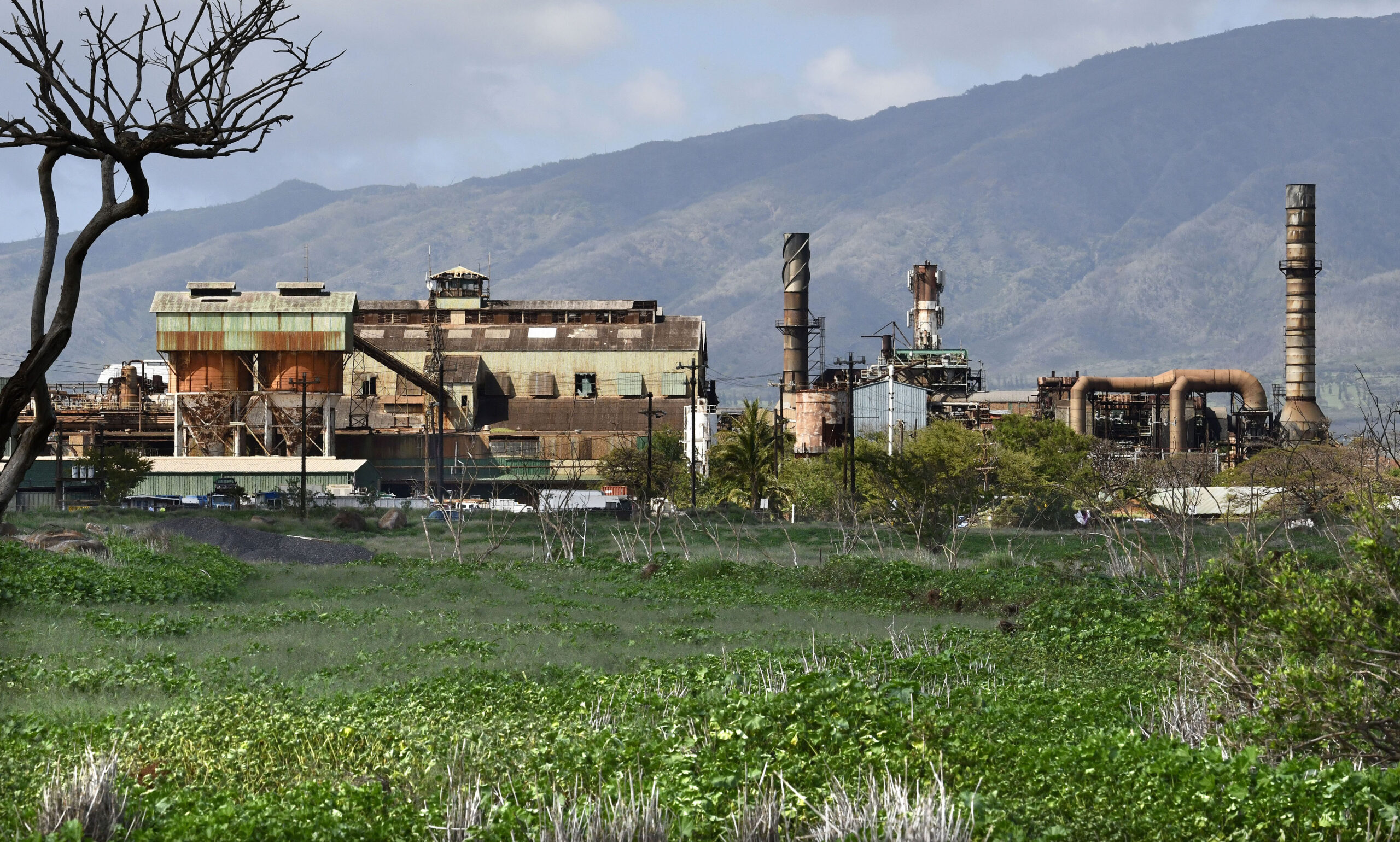
Now, the property’s owner, Oʻahu-based Nan Inc., wants to repurpose many of the Maui landmark’s buildings and features to transform the area into light industrial for local businesses.
“From an owner’s standpoint, you want to try to salvage as much you can,” said Wyeth Matsubara, vice president of Nan Inc., which according to the company’s website is the largest locally owned and operated general contractor in Hawaiʻi.
The company owned by Nan Chul Shin purchased the closed mill and 263 surrounding acres from Alexander & Baldwin in the spring of 2024. The key piece of the sale was taking over responsibility of the mill, which dates to 1901.
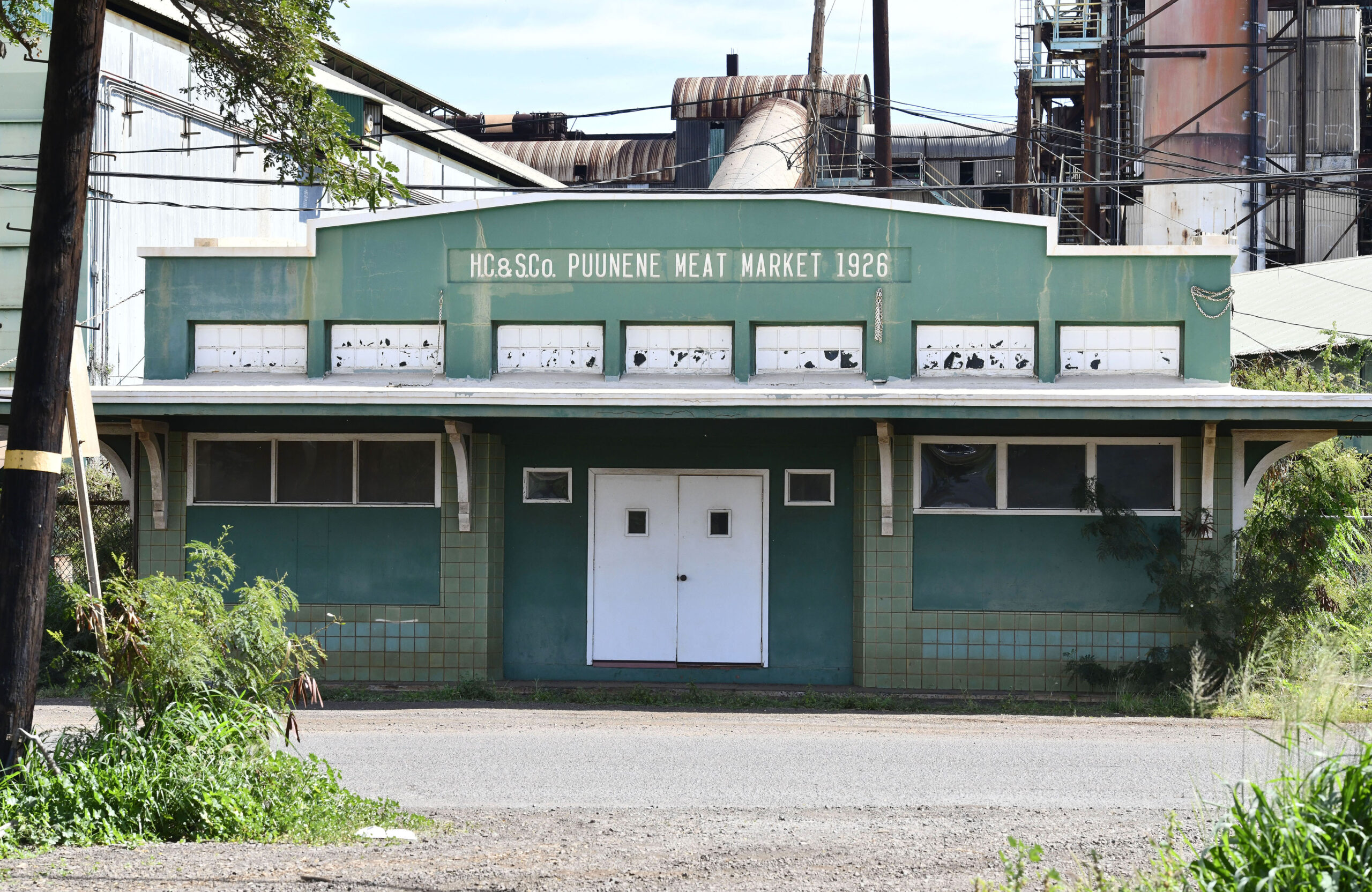
Maui County property tax records show that Puʻunēnē Industrial Park LLC, which is registered to a Honolulu address linked to Shin, purchased just over 240 acres for about $5.25 million in March 2024. The purchase included 30 structures such as a power plant built in 1903, blacksmith and machine/welding shops built in 1926, a cane-cleaning building constructed in 1945, and a sugar storage warehouse built in 2007.
Puʻunēnē Industrial Park LLC also paid $501,358 to purchase just over 23 acres across Hansen Road from the mill that included the A&B Sugar Museum, property tax records show.
“I’m sure they had a lot of potential buyers looking at that site, but the cost to remove or get rid of all that obsolete equipment was probably daunting to a lot of people,” Matsubara said. “We went in there trying to see what, of course, we could save in terms of the structures and facilities.”
The company’s plan is to save the bagasse house that once stored the fibrous residue left after the juice was extracted from the sugar cane, the meat market, tractor shop, mill office, the shuttered Puʻunēnē Post Office, the Alexander & Baldwin Sugar Museum and one smokestack.
Components such as a low rock wall and railroad tracks deemed historically significant during an assessment by Oʻahu architect Glenn Mason and the Hawaiʻi State Historic Preservation Division also will be preserved, Matsubara said.
The structures deemed unsafe and the obsolete outsized equipment will be scrapped. Asbestos remediation also will be conducted.
Demolition and removal alone will likely cost “in the tens of millions of dollars,” Matsubara said. He did not have a specific timeline, with the company awaiting permits before demolition can start. The cost also is “hard to determine” given that the former mill “is very unique with equipment that is obsolete and unusable.”
“If you could just renovate it, that’s a more efficient use of your asset,” he said. “So it was definitely a balance of how we had to do it with safety, of course, being the driving force behind a lot of this.”
Current tenants in and around the mill include Grace Pacific, Hawaiʻi’s largest paving contractor that also is owned by Nan Inc.
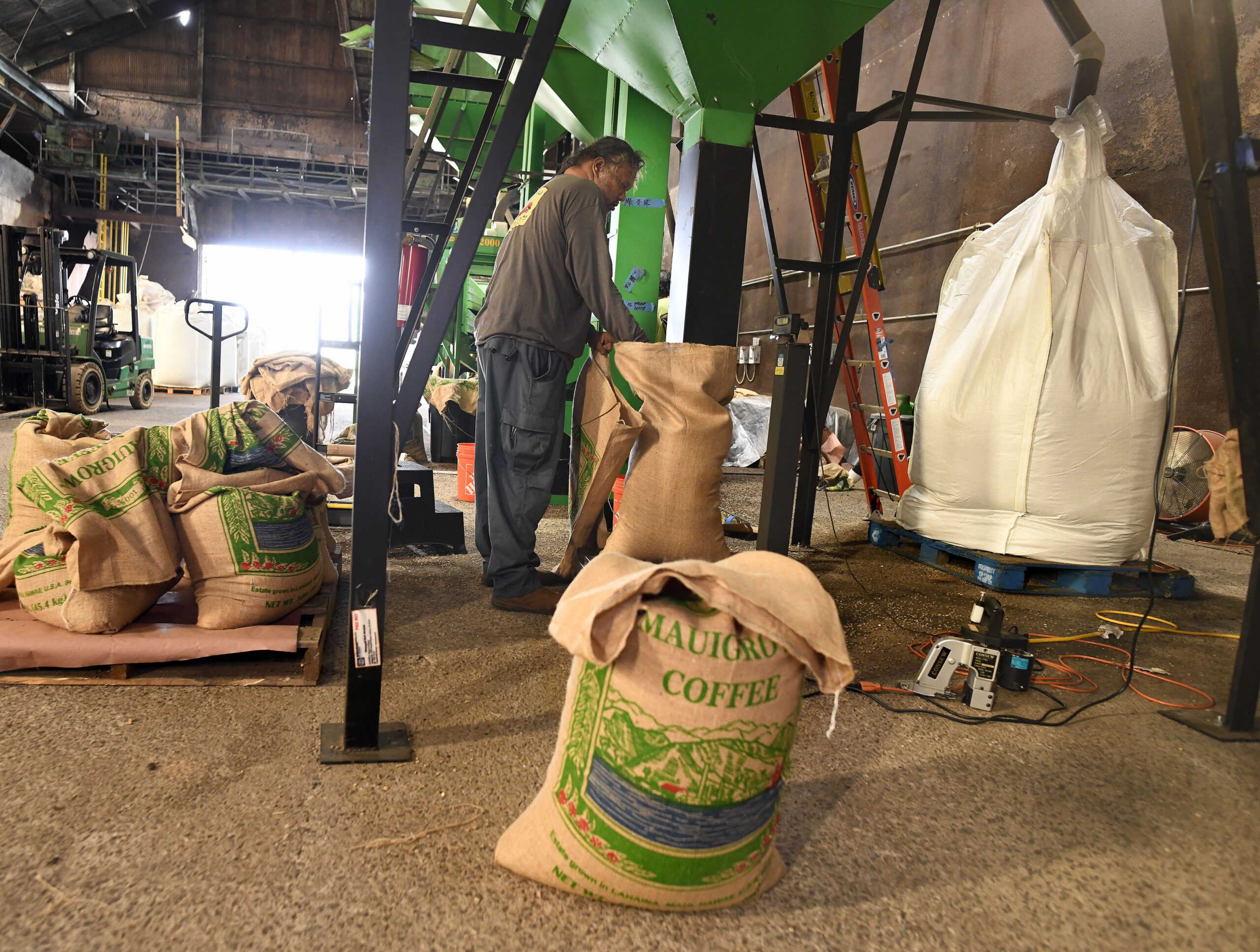
The large green bagasse house building now is temporarily being used by Maui Grown Coffee — which lost its former buildings and mill equipment in the August 2023 Lahaina wildfire — to dry mill coffee while awaiting its new facility to be constructed in Kāʻanapali. The property also is housing a PODS moving and storage baseyard.
In its heyday, Puʻunēnē Mill was surrounded by plantation camp housing, and nearby was a hospital, grocery stores, Sam Sato’s restaurant, churches and an elementary school. Its last workers’ neighborhood, McGerrow Camp, was razed in 1993. While some of the land Nan Inc. bought in 2024 includes residential zoning, there is also industrial, commercial and agricultural zoned areas. Matsubara says Nan Inc. is focused on light industrial for now.
“I would like to expand the urban boundary for some of our area so we can continue light industrial,” Matsubara said.
He points to the old Maui Land & Pineapple Co. cannery in Kahului as an example of how Nan Inc. has repurposed plantation-era facilities for modern use around the state.
“When we bought it, there was obviously a lot of hazardous material and contamination,” Matsubara said. “We removed all that and created more of a user-friendly light industrial. We have tenants from a gymnastics club and cheerleading club, to an outdoor hiking club, you know, smaller businesses, locally driven businesses that want more of like a light industrial feel and don’t need all the burden of a high-cost facility.
“Our product is good because we’re able to make these larger warehouses that are a simple design and you can segregate into smaller bays to accommodate for a smaller mom-and-pop company.”
Housing could also be an option down the line if the company can find a low-cost way to develop it, Matsubara said. He pointed out that Nan Inc. is currently developing workforce housing on Hawaiʻi island with multifamily units and community facilities that could serve as a template for Puʻunēnē.
There are no concrete plans yet, but Matsubara said the housing would be for residents, not “investment-type homes.”
“But the immediate thing is just trying to get what we have, the existing structures, cleaned up to the point where the ones that are unsafe, get them demolished, and the ones that we can renovate, get them so we can start bringing in money instead of paying money out,” he said.
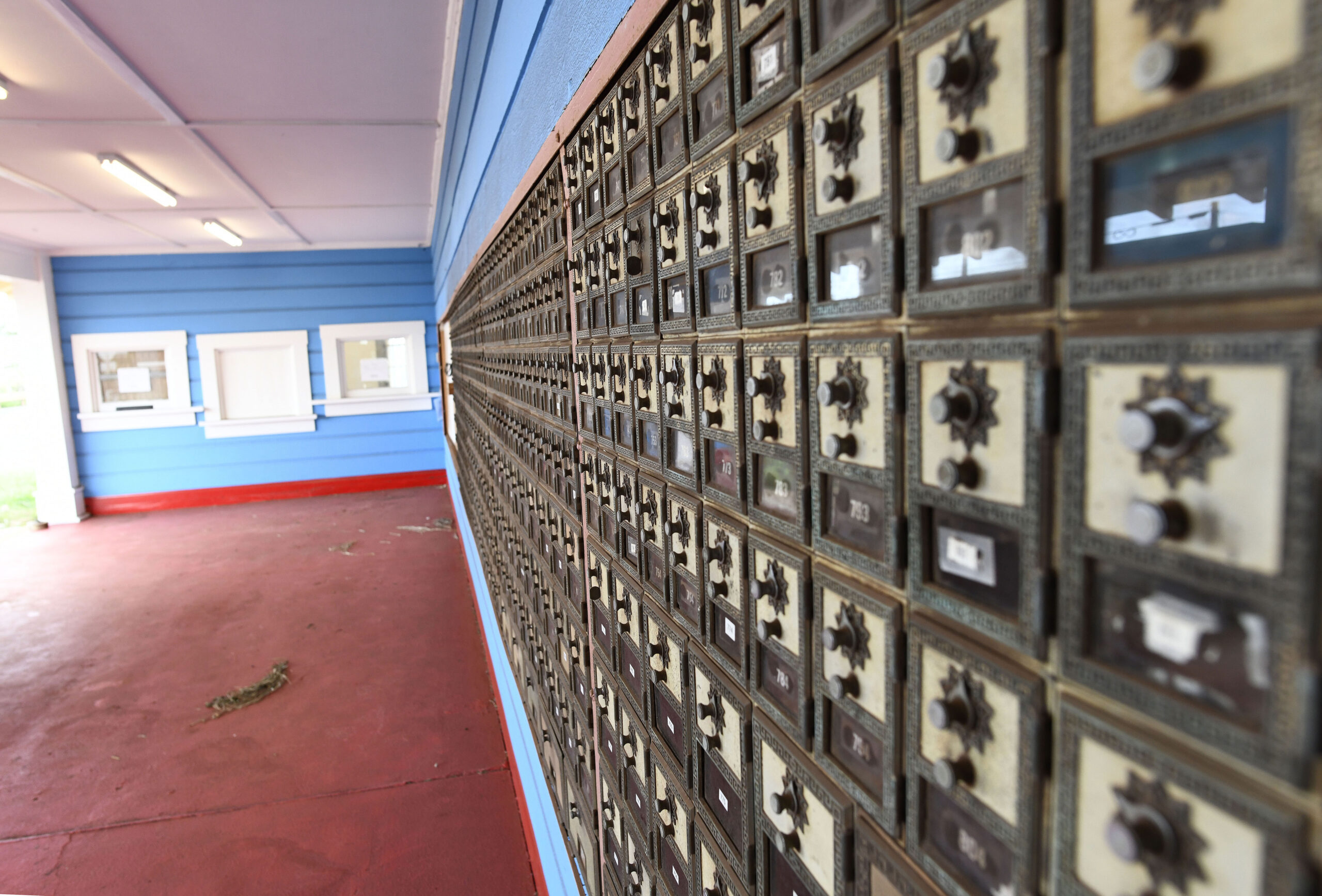
One of the early projects undertaken by Nan was to renovate the Puʻunēnē Post Office on Hansen Road, which Nan acquired in the sale, to enable it to restart mail service. The U.S. Postal Service closed it on Sept. 13, 2024, citing safety concerns over the termite-riddled building, which according to property tax records was built in 1939.
While the handy stop along the busy back road was providing retail service to walk-up customers and delivery to about 600 P.O. boxes, according to USPS, termites began winning their toothy war on those boxes. At least one customer reported finding brass box doors on the floor several times when he arrived to check his mail.
Matsubara says USPS caught Nan off guard when it decided to close.
“They just left when we first got there,” he said. “When we finally got in touch with them, they said they were concerned about the safety for their employees with the termite damage. So we got a little worried and thought it was going to fall down as well, because we had no idea.”
However, Matsubara said that Mason’s inspection found “some termite damage, but it’s not impacting the structure.” So, the company decided to completely renovate the building to Postal Service standards and a new lease was signed.
Matsubara said USPS sent out building inspectors twice. Nan completed their follow-up requests, and USPS gave their “full sign-off.”
And then, crickets “for the last like four or five months,” Matsubara said.
“We’re trying our best to push them in a nice way to get them to come back,” he said. “We felt it was a good thing to have in a neighborhood.”
Maui County Council Vice Chairperson Yuki Lei Sugimura was asked by Matsubara to help facilitate the reopening. She said it appears USPS is waiting, perhaps until there is more housing in the area, including the proposed Hoʻonani Village. If approved, it would put 1,600 residential apartment units on 166 acres between Hansen Road and the businesses on Hoʻokele Street.
“We’re in a holding pattern,” Sugimura said.
USPS Strategic Communications Specialist John Hyatt in an emailed statement Thursday that retail operations were moved from Puʻunēnē to the Kahului Post Office “due to safety concerns for our customers and employees resulting from deterioration of the building, which is a leased facility.”
“We are currently reviewing the options for the facility,” Hyatt said. “We do not have a date for the assessment to be completed, but until then, customers may continue to pick up mail at the Kahului Post Office. We appreciate the patience of the community as we work on it.”
Hyatt added that USPS did not have a comment on the lease.
As for the A&B Sugar Museum, Matsubara says the company plans to preserve it, but it may be moved across Hansen Road, closer to the mill property, “just to be more in tune with the other historic features we want to preserve and keep in that area.”
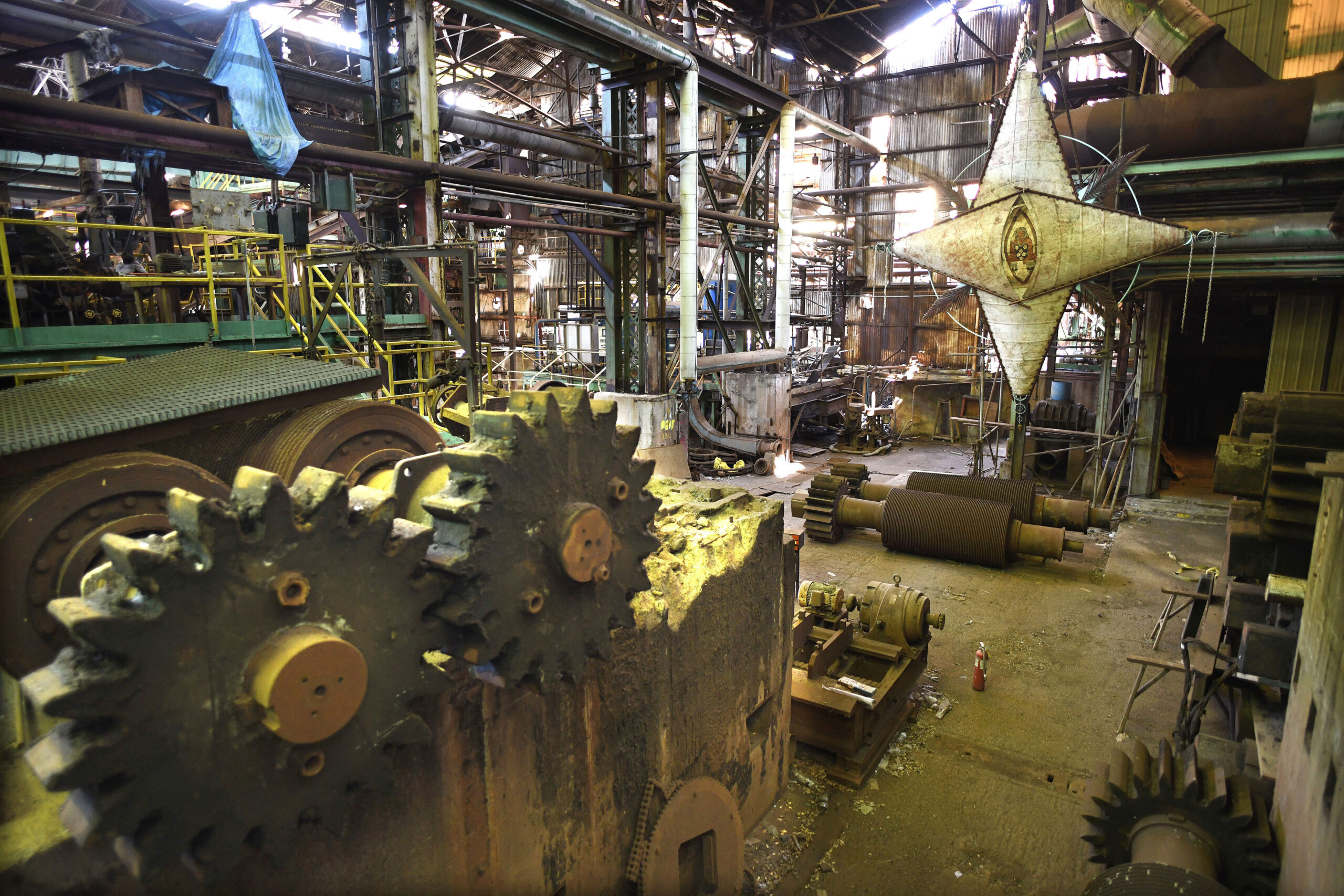
Former employees were saddened to think that all the equipment left behind would be scrapped. The aged mill exterior disguised the fact that it was packed with a lot of high-tech gadgetry and top-flight machinery. The employees also expressed skepticism that after a decade of sitting idle, the gear could easily be repurposed.
“For 10 years it’s been sitting there,” said Robert Luʻuwai, the former mill engineer and assistant manager. “The structure was in good shape, but the longer you let it sit the worse it gets. Even the machine parts, they stick together.”
During a walk through the shuttered mill in early March with Nan Inc. site facilities manager Dan Daniels, most of the outsized equipment was right where workers left it on the day the mill closed. Lit by morning light filtering through skylights, windows and holes in the roof and siding, hundreds of pieces of equipment — boilers, crushers, rollers, lathes, cranes — sat silent amid the mess left by intruders.
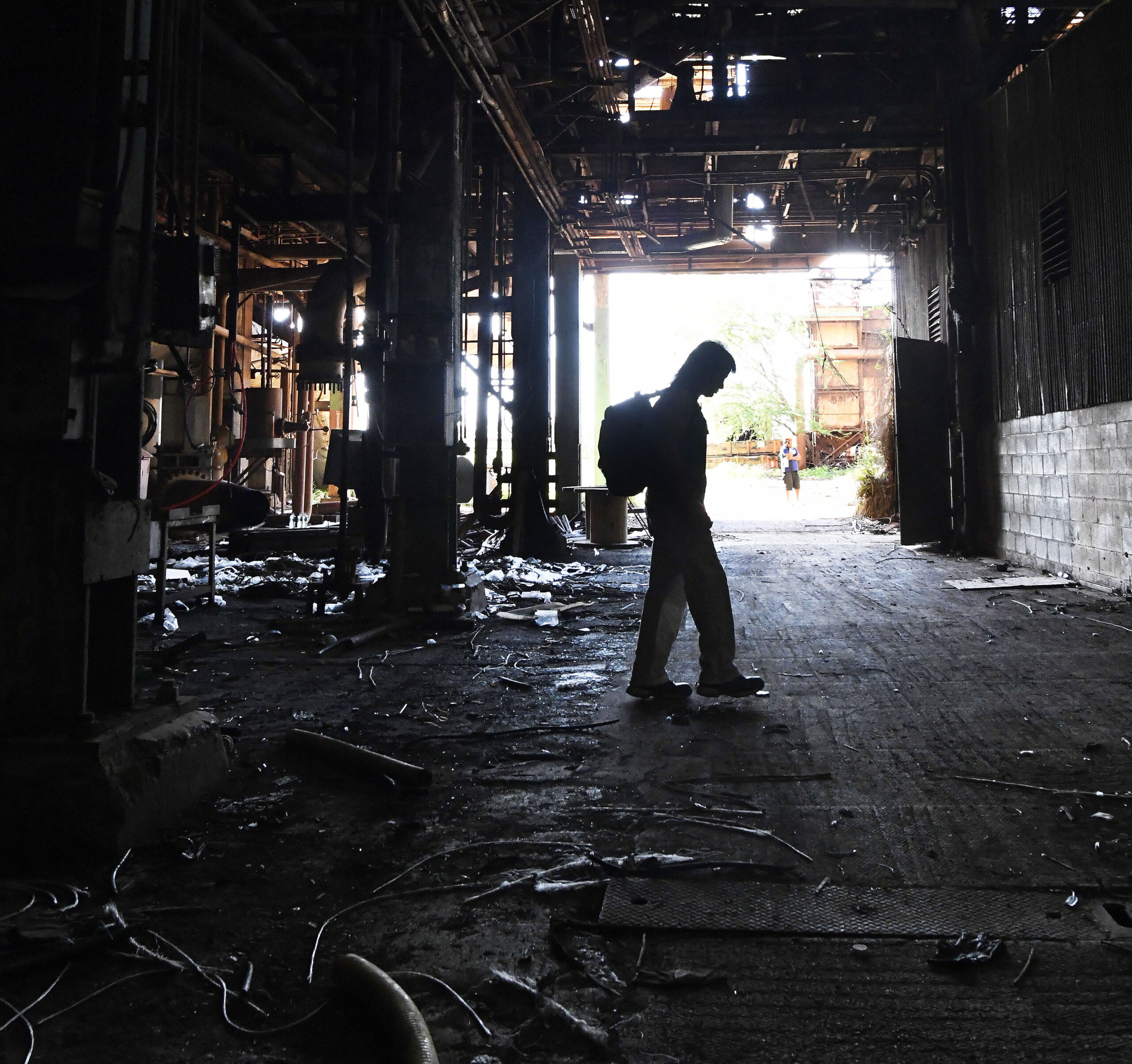
Less than five minutes into the visit, Daniels confronted a man in the dark holding a bag of pilfered hand tools. When he told the trespasser to put down the tools and leave, the man refused, saying he had spent months collecting them. While Daniels stepped outside to call the police, the man gathered his prizes, including a wrench about three feet long, and melted into the gloom of pipes, catwalks and metal stairways.
Police arrived and searched the ground floor, but came up empty. Daniels says he has confronted “50 or more” trespassers while patrolling the mill, including a copper thief who threatened to shoot him. Every wire that can be cut and stolen has been cut and stolen. What’s left behind is either too big to steal or deemed unworthy.
Amid the squalor are personal items, including a leather boot and plastic yellow comb. A calendar stuck to a locker door dates to 2006. There are pieces of equipment with auction numbers that never sold. Outsized replacement pumps and motors rest on pallets ready and waiting for calls to duty that will never come.

For anyone who spent time in the mill back when it was churning out 190,000 tons of sugar and 50,000 tons of molasses a year, most notable is the missing roar of the machinery and the malty smell of sugar in the steamy air. No more dust motes dancing in shafts of light and the irrepressible heat of the boilers. Also long gone are the army of diverse and talented employees making it all happen, just as their predecessors did on Maui for nearly 150 years.
Haʻikū artist Tom Sewell has spent decades chronicling the mill and its workers, preserving their history. For three years, his Enigma of the Mill Studio 3 celebrated the plant with art pieces both huge and small displayed in a former HC&S tractor repair shop. He had hoped the mill could be turned into an arts district within an industrial museum.
“I’m very sad that it’s going where it’s going and it’s just sitting there and decaying,” Sewell said. “It’s just a shame that the whole place is just dissolving and the machinery and the artifacts. I call them artifacts. They are being scrapped and so forth, and there’s no real vision of art or history, which Maui desperately needs.”