Maui County zoning code rewrite could shape future island communities
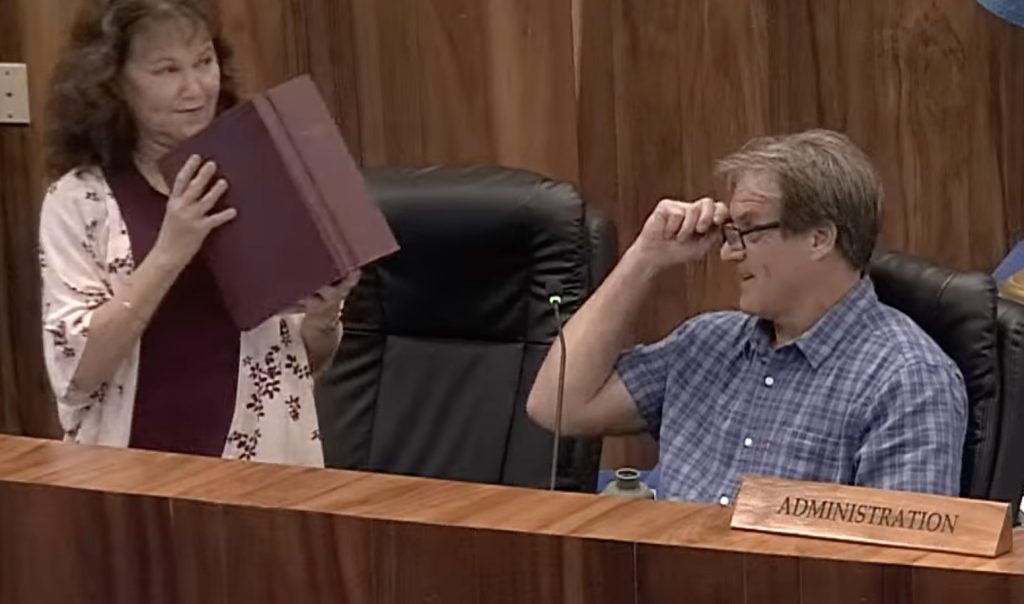
The Maui County Department of Planning outlined its multiyear effort Wednesday to rewrite the County’s outdated Title 19 zoning code — a rulebook that shapes nearly every aspect of how and where homes, businesses and farms can be built across Maui Nui.
Planning Program Manager Scott Forsythe led the presentation alongside Planning Director Jacky Takakura during a briefing before the Maui County Council’s Housing and Land Use Committee, chaired by Council Member Nohelani Uʻu-Hodgins.
The briefing marked the first of several presentations the department plans for the Council and the County’s three planning commissions this summer. Officials said the presentation included no new code language; the session aimed to lay groundwork for community involvement as the rewrite moves forward.
Why it matters to residents
Title 19 governs the rules that determine what a property owner can build and where — from setbacks and height limits to parking requirements and accessory dwelling units — making it directly relevant to anyone considering a home addition, a new business or simply wondering what a neighbor could build next door. The code also regulates short-term rental and bed-and-breakfast use and sets the framework for permits such as zoning changes and conditional use approvals.

The zoning code interacts with subdivision, building and construction codes. “The planning processes can be complicated to understand, but it needs to be mentioned that there are other processes at play that won’t be addressed by the rewrite,” Forsythe said.
Because the rewrite will determine what types of housing the county allows and where, it impacts Maui’s ongoing affordable housing crisis. Council members and planning officials discussed how the new code might create room for smaller lot sizes or a wider mix of housing types — often called “missing middle” housing — that could help meet workforce housing needs.
The zoning code itself has drawn criticism in recent years as an impediment to addressing the island’s housing shortage. In a 2023 Honolulu Civil Beat column, Sterling Higa, executive director of the nonprofit Housing Hawaiʻi’s Future, argued that Maui’s zoning code was written during an era of car-dependent suburban development and is decades overdue for an update that reflects current housing needs.
The code also governs commercial, industrial and agricultural zoning, meaning changes could affect everything from small business redevelopment to the rules governing farming operations, an issue several council members raised regarding agricultural districts.
The process will unfold over several years, with multiple opportunities for public input before the county adopts any new code — giving residents, business owners, farmers and cultural practitioners a chance to weigh in on a document that will likely guide development on Maui for decades. The department’s timeline envisions completion of the Title 19 rewrite in the last quarter of 2028.
Why the rewrite is happening
Forsythe told the committee that the county has not comprehensively updated Title 19 since it adopted the county’s zoning ordinance in 1960, when Maui’s population stood at around 43,000. Decades of piecemeal amendments, he said, have left the code fragmented, difficult to navigate, and poorly aligned with the County’s general and community plans.
A 2018 audit of the code found it outdated, contradictory in places, and disconnected from more recently adopted planning documents. That audit became the starting point for the rewrite effort, which formally launched in 2019 but was since slowed by the COVID-19 pandemic, staff turnover — the department has had four planning directors since the project began — and competing priorities, including wildfire recovery work.
Forsythe said the project has spent roughly half its contract budget with consultant Orion Planning + Design, and the department will lose one of its three staff members dedicated to the rewrite beginning in July, even as it works with Orion to assess what additional resources the effort may need.
How the process will work
Rather than rewrite the entire 93-chapter code at once, the department plans to bring draft chapters forward in smaller groupings, called modules, for review by Council and the Maui, Lānaʻi and Molokaʻi planning commissions. The department expects to introduce Module 1 this fall, with Module 2 following soon after. Additional modules will likely move through review into 2027. Only after reviewing all modules would the County move the full rewrite through a formal ordinance adoption process.
Officials said the new code will likely include more tables, charts and graphics to help the public interpret zoning requirements, though the County’s existing online code platform, municode, will continue to host it — a constraint that limits some of the digital interactivity the department initially envisioned.
Council questions on scope, cost and process
Committee members pressed officials on staffing, project costs and how the department would resolve disputes over individual modules.
Forsythe said the County has budgeted about $690,000 for the consultant contract, with staff time covered separately within the department’s annual budget. If the department and Council can’t reach consensus on a proposed change, he said, officials would default to existing code language and revisit the issue later rather than delay adoption.
Several committee members asked how the review process would work procedurally, particularly whether the planning commissions would need to revisit a module if the Council made changes after the commissions had already reviewed it.
Deputy Corporation Counsel Nāhulu Nunokawa said the answer would likely depend on whether the change falls within the scope of the commissions’ original review, and said the department would address specifics in writing as it develops the formal process.
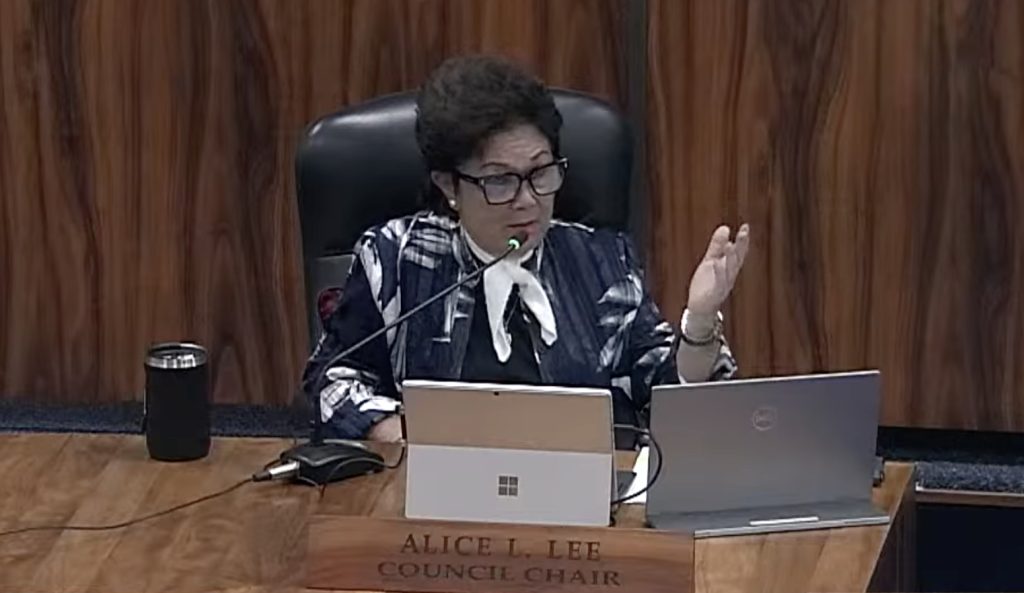
Council Chair Alice Lee said she was disappointed with the “clumsy” zoning process. “I doubt if the average person can navigate through Title 19 by himself or herself,” she said. “One thing I hope you do is to try and put yourself in the place of the average person so that you can try and simplify what we have now.”
Takakura said the rewrite aims to simplify permitted-use determinations through clearer tables and said the department is discussing with the Department of Corporation Counsel how to more clearly define implementation responsibilities tied to community plans.
Testimony raises Native Hawaiian land rights concerns
Three people testified, urging the County — as it rewrites the zoning code — to account for Native Hawaiian land tenure and kuleana rights tied to the Great Māhele, which was a sweeping land division carried out in the Kingdom of Hawaiʻi beginning in 1848, under King Kamehameha III.
Takakura said planning commissioners already receive required Native Hawaiian law training. “It’s very, very informative,” she said.
Council Member Keani Rawlins-Fernandez said she has invited two University of Hawaiʻi law professors to brief her committee on kuleana land issues in July.
What’s next
Forsythe acknowledged delays in the zoning rewrite since the effort was first launched in 2019. He explained that staff focused shifted with the COVID-19 pandemic, wildfire response and getting a permitting system online. The department also has coped with staffing shortages and leadership changes, including the retirement of longtime staff members with a wealth of institutional knowledge.
However, “there’s good news,” he said. “A considerable amount of work is underway, and we have a path forward for how this will all get done.”
Following the Council briefing, the Planning Department and its Orion consultant team will present a zoning code overview at planning commission meetings across the islands. Meeting dates are subject to change, and residents should visit MauiCounty.us/agendas for up-to-date schedules and agenda items. Presentations are scheduled for:
- Maui Planning Commission, 9 a.m. July 14
- Lānaʻi Planning Commission, 5 p.m. July 15
- Molokaʻi Planning Commission, 11 a.m. July 22
Takakura told the committee the department would welcome further input on how the Council wants to structure its review of upcoming modules, noting that much of the work will likely extend into the next Council term.
No formal action was taken at the meeting, and Uʻu-Hodgins deferred the matter pending further discussion.
Residents interested in tracking the rewrite or submitting feedback can visit t19rewrite@mauicounty.gov. For general Department of Planning information, visit mauicounty.gov/planning.
Sponsored Content