Kahului Airport remained resilient with passenger increase, despite TSA funding lapse this past spring
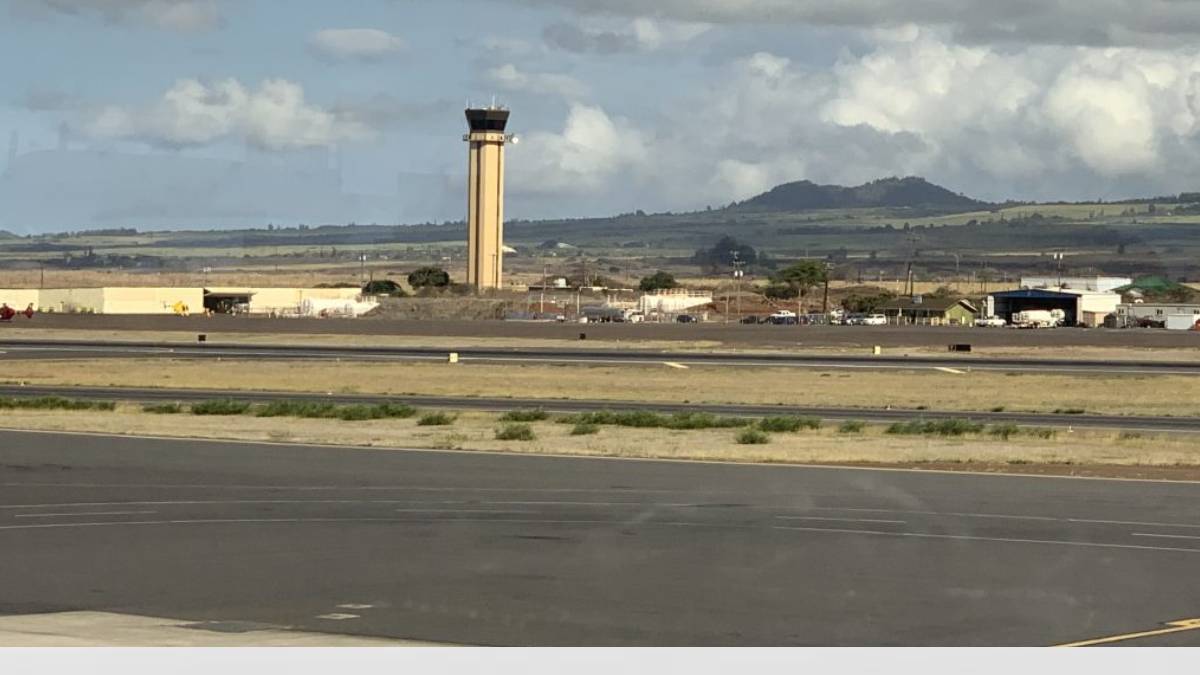
Kahului Airport screening volumes held steady even as a nationwide TSA funding lapse this spring triggered steep staffing shortages and sharp declines in passenger throughput at major mainland hubs, according to a new analysis from the travel research firm Upgraded Points.
The travel and finance website released a new study showing average daily TSA checkpoint throughput at OGG rose by 1% between March and May 2026 compared to the same period in 2025. The airport averaged 9,430 daily passenger screenings during those months, up from 9,339 the previous year, despite a prolonged nationwide personnel crisis. In May 2026 alone, OGG averaged 9,290 daily passenger screenings.
Because of its stable operations, Kahului Airport ranked 15th among medium hub airports and 162nd among all 425 US airports analyzed in the study. The report ranked airports with the largest passenger screening declines highest, meaning OGG’s lower rankings reflect its relative insulation from the funding disruptions.
National funding lapse strains aviation infrastructure
The TSA funding lapse, which lasted for more than two months before ending in late April 2026, severely strained the nation’s aviation system. Under federal shutdown rules, essential TSA officers were required to report to work without pay. This led to severe financial strain for personnel, causing a sharp rise in unscheduled absences and resignations across the country.
Nationwide, average daily TSA throughput fell by 6.7% during the March–May period, dropping from approximately 2.43 million daily screenings in 2025 to 2.27 million in 2026. The largest disruption occurred in May, which saw a 9.8% year-over-year decline as lingering staffing attrition continued to impact operations even after funding was restored.
The impacts of these staffing shortages were highly uneven. Major hubs like Hartsfield-Jackson Atlanta International Airport saw a 76.9% drop in throughput, requiring federal authorities to temporarily deploy Immigration and Customs Enforcement personnel to assist with checkpoint identification checks. Other large airports, such as Boston Logan (-29.1%) and Miami International (-26.2%), also faced steep declines.
In contrast, Kahului was among a select group of airports that weathered the disruption. Other resilient hubs included Chicago O’Hare International Airport, which posted an 8.7% increase, and San Diego International Airport, which saw a 5.2% increase.
Tighter margins for airlines
The operational disruptions hit the aviation industry at a challenging financial juncture. According to the study, inflation-adjusted domestic airfares have continued a long-term decline. To maintain profitability amid rising labor, fuel and maintenance costs, airlines have increasingly unbundled services—charging separately for baggage, seat selection and onboard amenities.
This combination of lower base fares and high operating costs left carriers with tight profit margins and less flexibility to absorb the operational bottlenecks and shifting flight schedules caused by the TSA staffing crisis.
Study’s methodology
The study analyzed checkpoint data from the Airline Travel Demand Tracker, which compiles airport-level screening data obtained through Freedom of Information Act requests. Researchers noted that while TSA throughput is influenced by factors like airline schedules, fuel costs and passenger demand, the metrics serve as a reliable indicator of overall airport screening activity and operational stability during the funding disruption.
Sponsored Content