UH grad student’s research reveals plastic pollution threats to endangered coral reefs
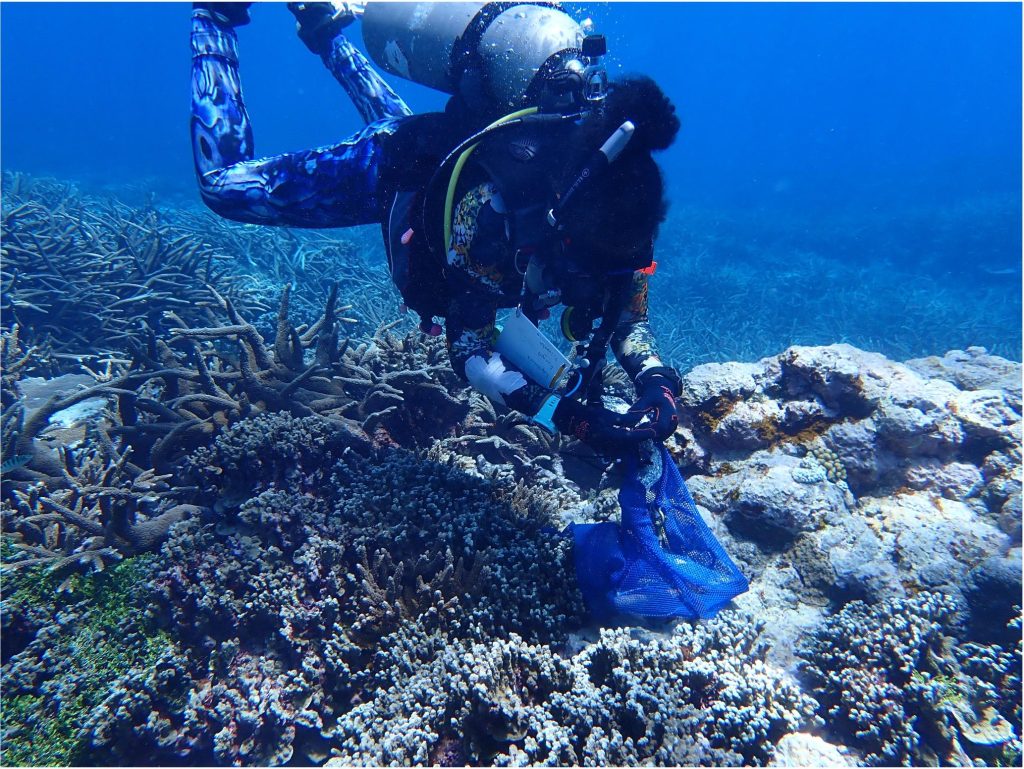
A University of Hawaiʻi at Mānoa graduate’s new research has revealed that plastic pollution may pose an underappreciated threat to the survival of endangered coral reefs.
The study, led by Keiko Wilkins, a recent PhD graduate from UH Mānoa’s Marine Biology Graduate Program, found that chemicals released from plastics disrupt two critical processes essential for reef recovery: coral reproduction and the settling of larvae.
Wilkins’ work, conducted at UH’s Kewalo Marine Laboratory, is among the first to show that plastic-associated chemicals, known as leachates, can have harmful effects beyond the physical presence of debris. The first phase of the research demonstrated that these chemicals significantly reduced coral fertilization rates, while the second phase showed they interfered with the ability of coral larvae to attach to reef surfaces — a key step in replenishing coral populations.
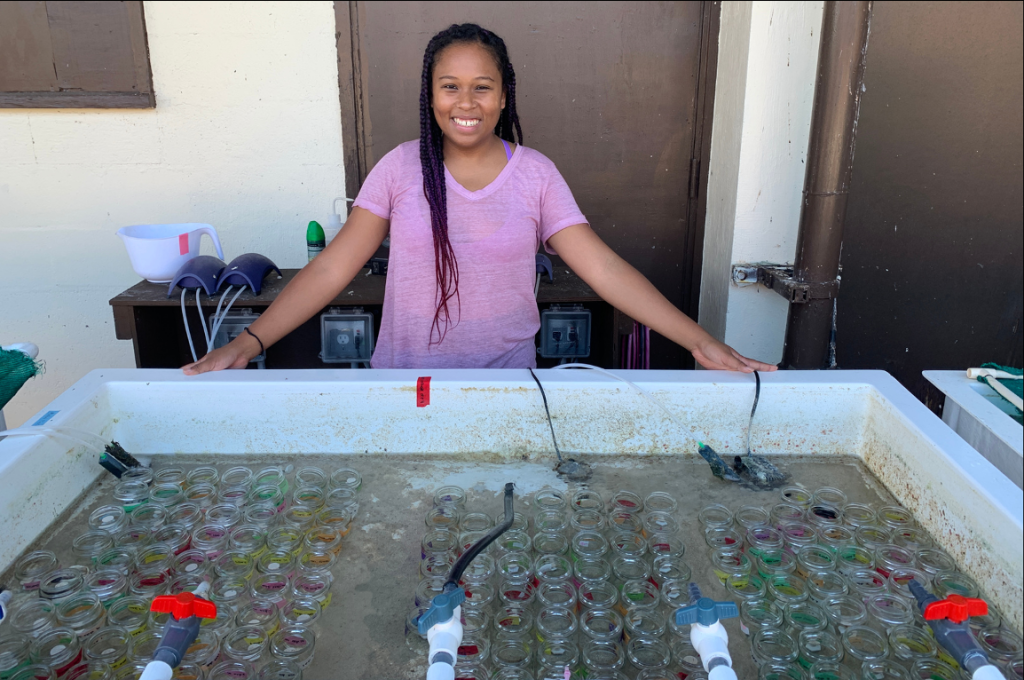
“When people think of threats to coral reefs, microplastics are often unnoticed,” Wilkins said. “Not only do corals eat microplastics, microplastic-associated chemicals may have hidden impacts. My research highlights this issue, urging us to see plastic pollution as a complex stressor to our reefs.”
Coral reefs in Hawaiʻi and globally face mounting pressure from climate change, pollution and overfishing. Scientists say the new findings may help explain why some reefs fail to recover after mass bleaching events.
Bob Richmond, director of the Kewalo Marine Laboratory and Wilkins’ doctoral adviser, described her results as “timely and essential” for reef conservation, emphasizing the urgency of addressing plastic pollution.
“Her results provide proof of the unseen, damaging effects of plastic pollution and the need to urgently address this problem if we are to leave a legacy of vital coral reefs for future generations,” he said.
Wilkins’ research was supported through the National Oceanic and Atmospheric Administration Nancy Foster Scholarship, which provided resources to collect coral samples in protected waters, including the Papahānaumokuākea National Marine Sanctuary and the Hawaiian Islands Humpback Whale National Marine Sanctuary. The scholarship also funded outreach initiatives, enabling Wilkins to present her work to schools and communities across American Sāmoa to raise awareness about ocean health.
Wilkins is pursuing further studies to determine the extent of microplastic ingestion by corals in Pacific regions and its potential long-term impacts on reef resilience.
Sponsored Content