Annual chick banding marks success in restoring native ʻUaʻu kani seabird
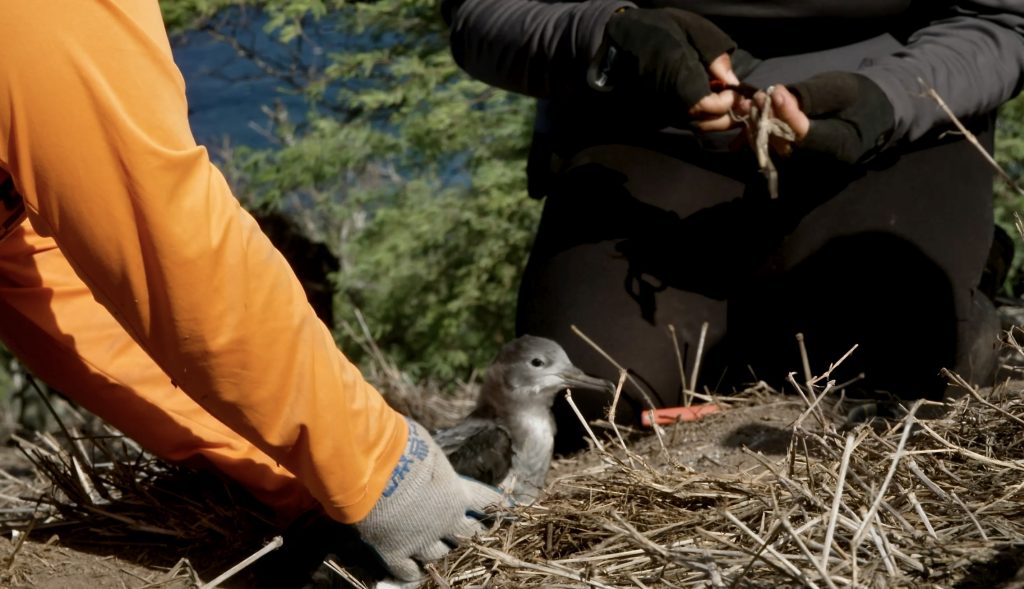
Maui Nui Seabird Recovery Project, along with volunteers from Aloha Puʻu Kukui and Maui Land & Pineapple Company, gathered this week for the annual chick banding of the ʻUaʻu kani, Hawai‘i’s native wedge-tailed shearwater, at Hāwea Point in Kapalua.
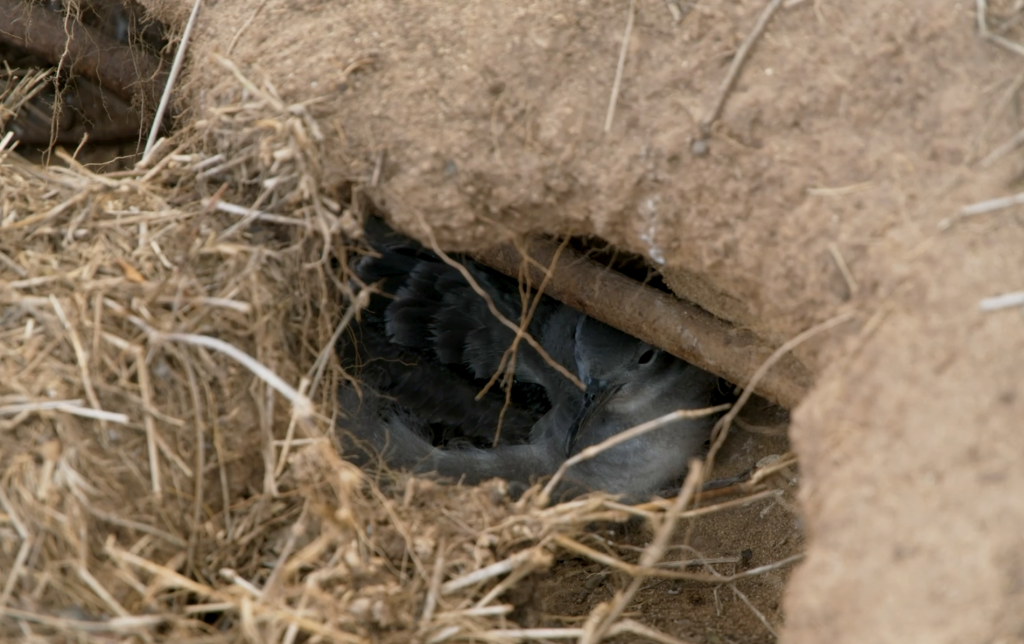
The ʻUaʻu kani (Ardenna pacifica) is an indigenous seabird that nests in burrows along Hawai‘i’s shorelines and returns to the same sites year after year to raise a single chick each season. There are four primary breeding colonies on Maui — at Kamaʻole Beach Park III, Ho‘okipa, Puʻu Kekaʻa and Hāwea Point — making Hāwea one of the island’s most important nesting sites.
During banding, biologists and volunteers gently place small identification bands on chicks before they leave their burrows for the open ocean. The effort helps track migration, survival and population trends that guide continued protection and education work across the islands.
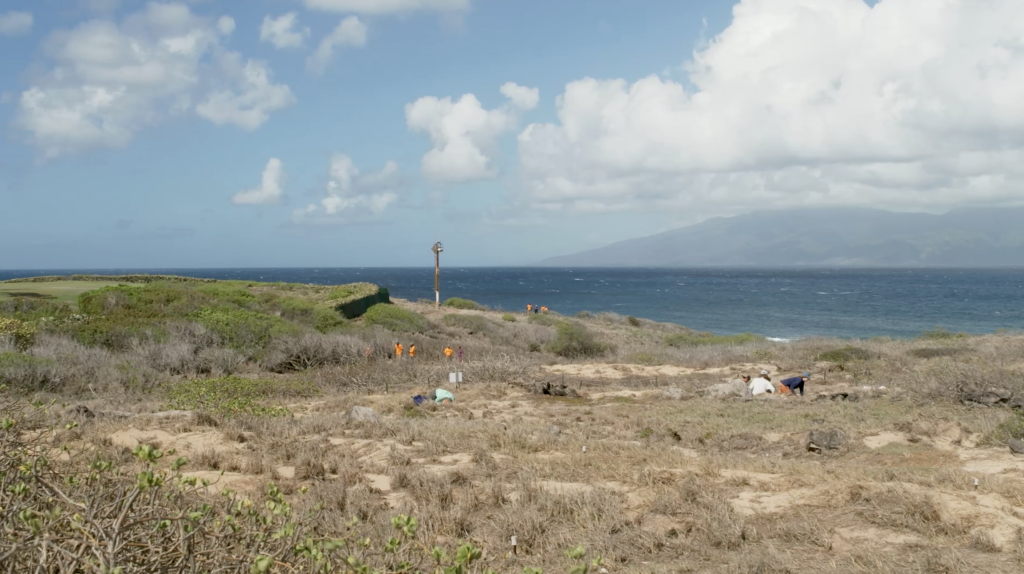
“This is one of our favorite days of the year,” said Jenni Learned, project manager of the Maui Nui Seabird Recovery Project. “It really helps us understand how our actions as a society impact these native species. We have people coming from many different groups — from Haleakalā, DOFAW, Kauaʻi and Hawaiʻi Island — to be part of this opportunity to mālama these birds and this place. I love how it gathers everybody together and makes it so clear how important this work is once you’re here.”
Once nearly gone from this coastline, the ʻUaʻu kani colony has grown to more than 4,000 burrows, according to the Maui Nui Seabird Recovery Project. The conservation group says the growth reflects decades of restoration, research and community partnership.
The restoration effort at Hāwea Point began in the early 2000s, led by Nāpili resident and retired Maui Land & Pineapple employee Isao Nakagawa.
“Fishermen used different marine birds to signal where to go, and there’s a really big fishing community out here in Nāpili,” said Kainoa Marchello, makai field crew supervisor at Aloha Puʻu Kukui. “Continuing that connection into future generations — and keeping these birds here — was really important to him.”
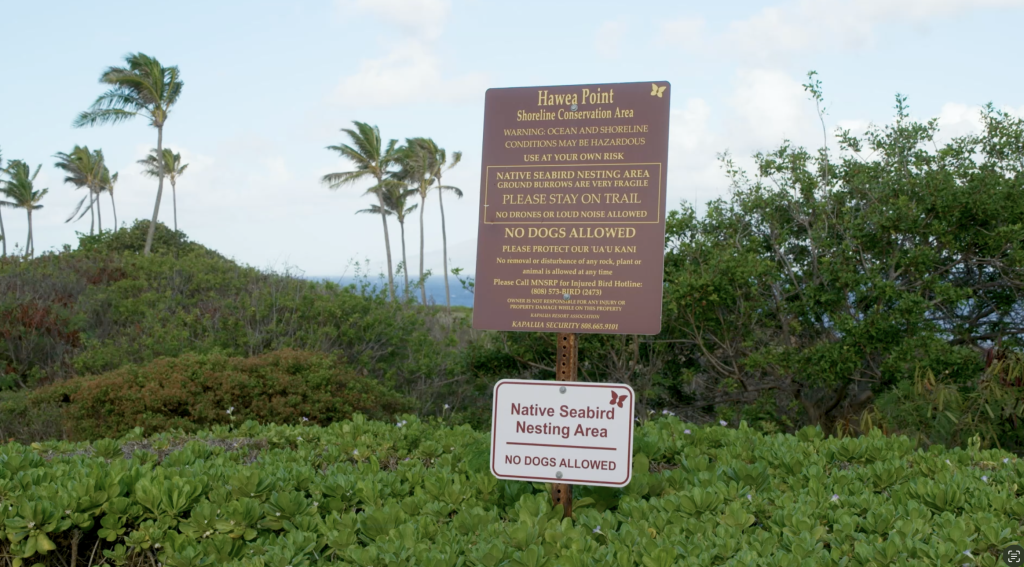
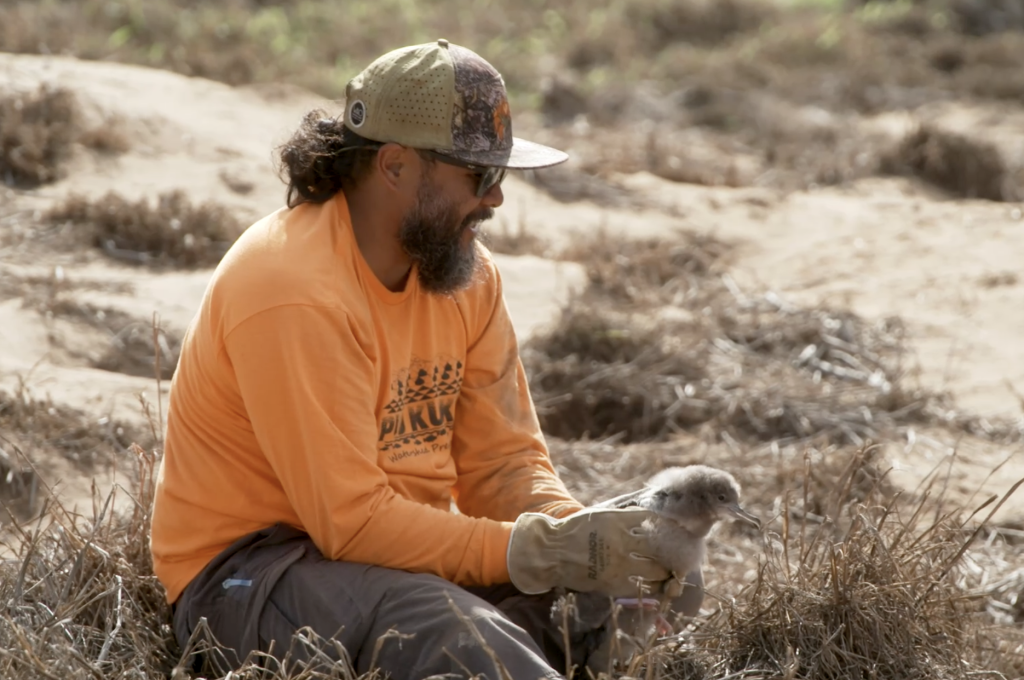
Today, restoration of the ʻuaʻu kani and the coastal habitat at Hāwea is ongoing, led by Maui Nui Seabird Recovery Project, in partnership with land managers Hawai‘i Land Trust and Kapalua Resort Association and with the support of community partners, including Aloha Puʻu Kukui and Maui Land & Pineapple Company.
Since those early efforts, invasive trees like ironwood and Christmasberry have been removed, replaced with native vegetation to restore nesting habitat.
“The ability to have community involvement and participation of landowners in predator control is huge — that’s the only way this colony is able to survive,” Marchello said. “People can come volunteer on these banding days and really work with nature. The only way you gain a passion and love for something is by spending time with it.”
For additional information, visit mauinuiseabirds.org.
Sponsored Content