Animated shorts preserving Lahaina’s Soul to Screen in Kīhei
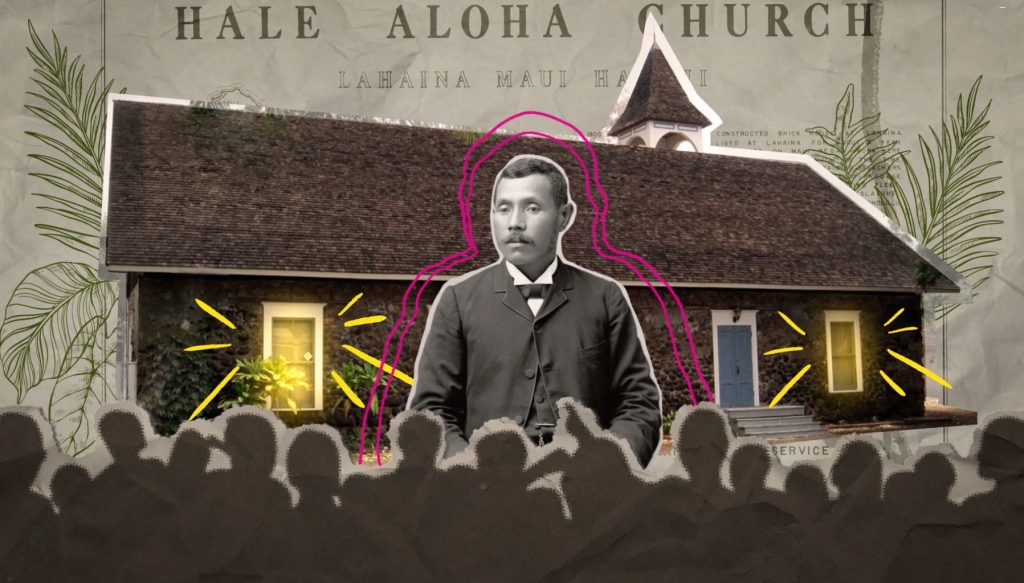
PC: Sasha Hercik
Cinema fans have the opportunity to view animated short films celebrating the enduring history and cultural heritage of Lahaina at a free event, the reprise of the Hui Mo‘olelo: Lahaina Film Festival, on Nov. 29, at ProArts Playhouse in Kīhei.
The festival, presented by Maui Public Art Corps in collaboration with Maui County and Lahaina Restoration Foundation, is scheduled from 3:30 to 5:30 p.m. The event will screen six total films—five animated shorts and a five-minute project film about the Hui Mo‘olelo: Lahaina program. The screening has an anticipated total run time of nearly 28 minutes, plus the five-minute program film, for a total run time of about 32 and a half minutes. The event itself will run for two hours and include a surprise musical performance and a question-and-answer session. There will be no intermission.
The films are products of the Hui Mo‘olelo program, an initiative that pairs storytellers with intergenerational partners to record memories rooted in special sites throughout Maui County. Lahaina-focused audio recordings served as the foundation for artists to translate these stories into animated short films and public art.
Featured films
The program includes works from three artists, each rooted in Hawaiian proverbs (‘Ōlelo No‘eau) and intimate reflections offered by community elders:
- “Hikari no Michi (Path of Light)” (3 min 49 sec) was created by a student artist team from the University of Hawai‘i at Mānoa’s School of Cinematic Arts. It is based on the recorded story of Reverend Gensho Hara of Lahaina Jodo Mission and his daughter Yayoi Hara, reflecting on memory, spiritual community, and the power of place built over the reverend’s 60 years of service. The film stands as a “love letter to the Lahaina Jodo Mission and a call to remember,” created under the proverb, “Love is like a bird—there is no branch that it does not perch upon. Love is an emotion shared by all.”
- Three Short Films by Sasha Hercik: Kīhei artist Sasha Hercik created a collection of three shorts rooted in the proverb, “Voices are heard around an inhabited house. Who hears voices about an uninhabited one? | Where people are. Life is.”
- “The Koa Bench” (3 min) features narration by Theo Morrison, executive director of Lahaina Restoration Foundation, blending historical imagery and storybook-style illustration to animate the story of a koa bench’s connection to Waine‘e Church.
- “Memories of Pu‘ukoli‘i” (2.5 min) is voiced by Aunty Sally Ann Delos Reyes, capturing childhood recollections through a warm vintage aesthetic.
- “Sleeping Town” (2 min 45 sec) uses gentle reflections and ambient sounds from Hara’s memories to evoke the peacefulness of a pre-tourism Lahaina.

- “Ola na Iwi” (14 min) by artist Richard O’Connor, which is rooted in the proverb, “The bones live. Said of a respected oldster who is well cared for by his family.” O’Connor wove together six intergenerational recordings into a single, poignant animation that unfolds like a moving mural, blending archival imagery and expressive linework. The film features the voices of Jennifer Freeland and her father Haines Burt Freeland, Louis Garcia III and Kaliko Storer, Teva Medeiros and his grandfather Timothy Medeiros Sr., Coach Earle Kukahiko and Kaliko Storer, Abraham “Snake” Ah Hee and Myrna Ah Hee, and Reverend Gensho Hara and Yayoi Hara.
Community knowledge and public art
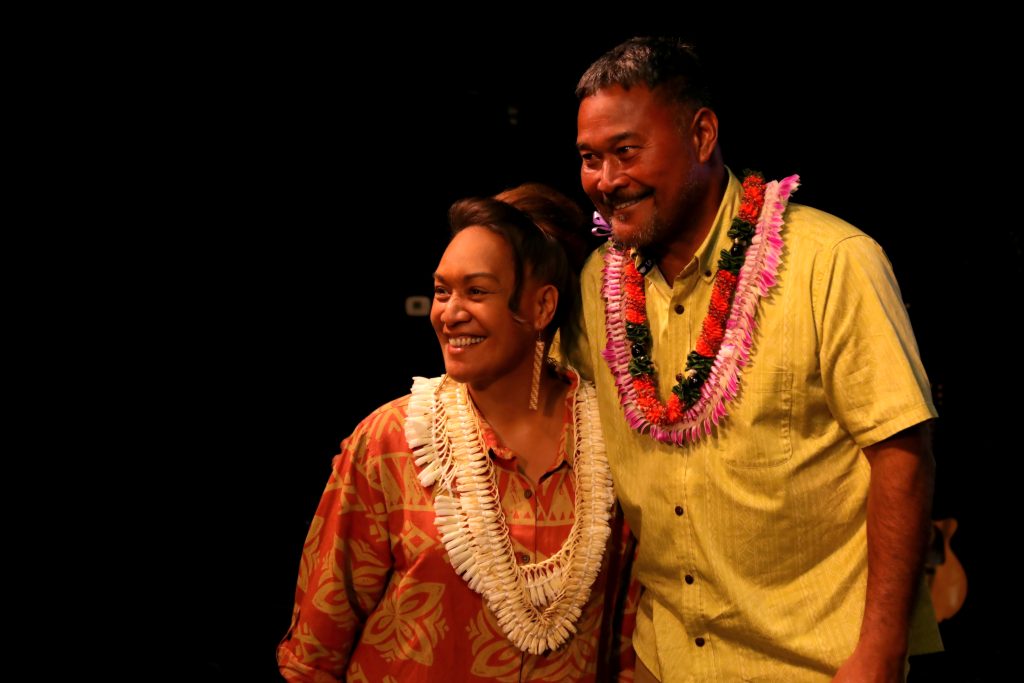
The Hui Mo‘olelo project is intended to secure community knowledge and ensure public art is rooted in local stories.
Yayoi Hara, daughter of Reverand Hara, reflected on sharing stories: “With the temple, everybody has their own story. That’s one of the things that I’ve often talked to people about. You are participating in this, this is now a part of your story that you are to share with us and with other people. And so, I’m happy about this process, now you all have a story and a connection to the temple as well.”
Anuhea Yagi, student of Hawaiian Life Ways and program facilitator, noted that the program has been “so nourishing” and offered a “great gift” in the opportunity to connect and share freely.
Morrison said the stories celebrate Lahaina’s “people, culture, and enduring spirit,” helping to keep the wisdom that shapes Lahaina’s identity alive.
Kelly White, chair of Maui Public Art Corps and manager of Maui County’s Public Art Program, noted the event strengthens community bonds. “This reprise is about more than revisiting the films; it’s about continuing the conversation,” White said. “By gathering to listen, reflect, and share, we strengthen the bonds that define Lahaina.”
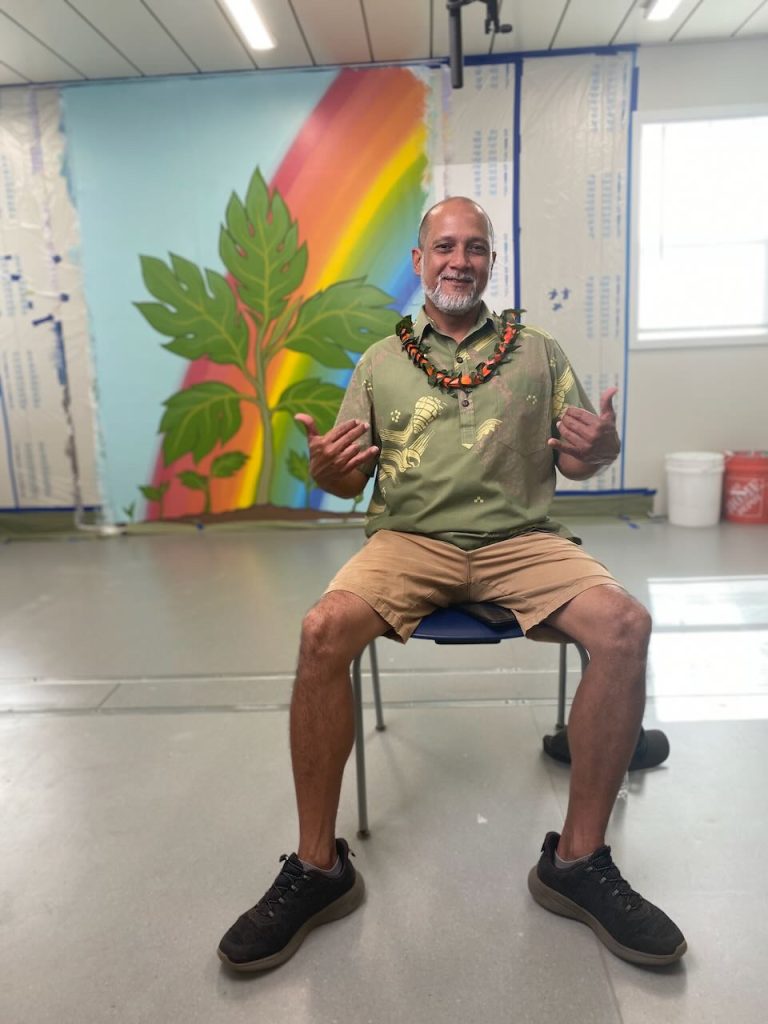
The event will be emceed by Kalapana Kollars, cultural programs director at Lahaina Restoration Foundation. Kaliko Storer, who participated in the 2024 cohort and whose recorded story led to a film and a mural at UH Maui College, will introduce her film. Organizers are still confirming the full list of storytellers for the Q&A session.
The event serves primarily to demonstrate how intergenerational story recordings can evolve into film and public art, supporting a newly launched cohort for the program. Given the complexity of coordinating the free event with many partners and elders, no immediate follow-up screenings are planned, though organizers anticipate reprising the films again in 2027 as the program grows.

Seating is limited to the first 120 attendees, and early arrival is recommended to ensure a seat.
For more information and to RSVP, visit mauipublicart.org/events.
Sponsored Content