Rep. Tokuda introduces bipartisan rural emergency hospital designation to strengthen local hospitals
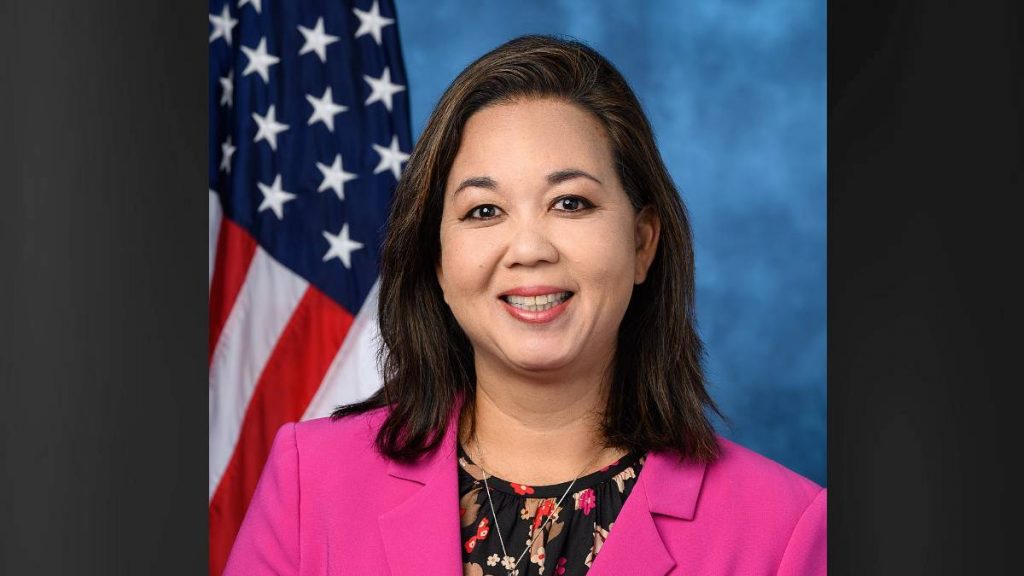
US Rep. Jill Tokuda has joined congressional lawmakers in introducing the Rural Emergency Hospital Designation Improvement Act, also known as REH 2.0. Also introducing the measure were: US Reps.Tracey Mann and Sharice Davids of Kansas, Jack Bergman of Michigan, Don Davis of North Carolina and Carol Miller of West Virginia.
In 2020, Congress created the Rural Emergency Hospital designation as a lifeline for struggling rural hospitals at risk of closure, providing enhanced Medicare reimbursement for certain emergency and outpatient services and a monthly facility payment in exchange for transitioning away from traditional inpatient care, according to a news release from Tokuda’s office.
“But the program has fallen short of its promise,” it says. “Despite more than 1,500 eligible hospitals, only about 40 have converted. Hospitals have cited the loss of inpatient and other essential services, 340B drug discounts, costly facility requirements and restrictive eligibility rules as barriers, leaving many rural communities without a viable path to preserving local access to care.”
REH 2.0 seeks to strengthen the REH model by allowing these hospitals to maintain distinct inpatient psychiatric and obstetric units, providing dedicated funding for laboratory services and clarifying state Medicaid payment flexibilities, according to Tokuda’s office.
“Too many rural hospitals are on the brink of closure, forcing them to make impossible choices about which essential services they can afford to keep. Rural America already struggles with access to healthcare, and I’ve seen firsthand how difficult that reality is for hospitals in Hawai’i, where the cost of delivering care is often significantly higher,” Tokuda said. She added that strengthening the REH model gives rural hospitals the flexibility and financial stability they need to keep their doors open and maintain critical services.”
The National Rural Health Association expressed gratitude to the lawmakers for introducing the measure, which is says would allow more critical access hospitals and rural hospitals at risk of closure to sustain health care services in rural communities.
“REH designations play a critical role in preserving needed access to care by allowing financially strained rural facilities to convert their licenses to maintain 24/7 emergency and outpatient services instead of shutting down completely,” said Alan Morgan, chief executive officer of the association.
According to Tokuda’s office, the Rural Emergency Hospital Designation Improvement Act would:
- Allow hospitals that closed or downsized between 2015 and 2020 to apply for “REH” status and give federal health officials flexibility to approve similar rural facilities.
- Allow REHs to maintain or establish inpatient psychiatric, obstetric and rehabilitation services.
- Expand access to swing beds and skilled nursing care.
- Make REHs eligible for federal workforce and rural hospital improvement programs.
- Increase Medicare payments for laboratory services by 5% and clarify Medicaid payment for REH services.
- Permit certain REHs to return to “Critical Access Hospital” status if the model no longer meets their community’s needs.
US Sens. Jerry Moran of Kansas and Tina Smith of Minnesota have introduced companion legislation in the Senate.
The full bill text is available by clicking here.
Sponsored Content