

Pāʻia Youth & Cultural Center aims to demolish the old to make way for the new
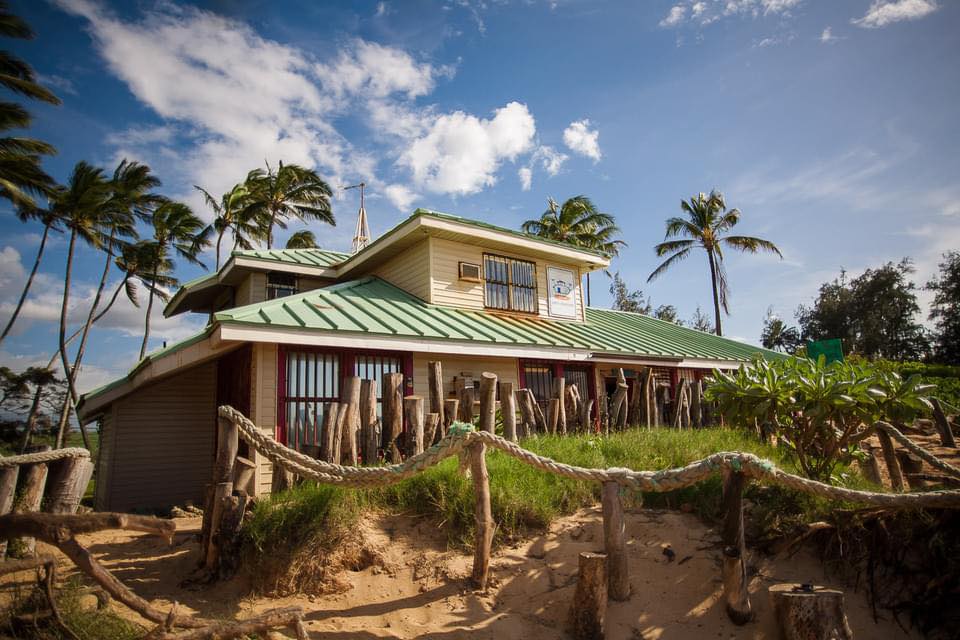
Pāʻia Youth & Cultural Center’s plan to demolish its aging shoreline facility and rebuild mauka as part of a climate-resilient “managed retreat” has entered a new phase with the release of a draft environmental assessment, posted in the state’s Dec. 8 Environmental Notice.
Environmental review begins
The draft environmental assessment outlines a proposal to construct a new youth center upslope of Pāʻia Bay, then demolish the existing shoreline building and restore the coastal dune system. The document appears in the latest Environmental Notice from the state Office of Planning and Sustainable Development, triggering a formal 30-day public comment period on the project.
Public comments are due Jan. 7 and can be submitted to project consultant Rory Frampton Consulting Inc. by US mail to 340 Napoko Place, Kula, Hawaii 96790; or via email to rory@roryframpton.com.
According to the notice, the assessment evaluates potential impacts of relocating the center, expanding indoor and covered spaces, and adding on-site stormwater management while remaining within the Pāʻia community. The project is anticipated to result in a finding that no significant environmental impacts are expected, pending review of public feedback.
Managed retreat from eroding shoreline
The youth center has operated for more than three decades from a former plantation-style home located directly on the shoreline at Pāʻia Bay, where erosion and sea-level rise have put the site at increased risk. Organization leaders describe the project as a “managed retreat” consistent with Maui County climate adaptation guidance. The newly proposed structure will relocate the center’s programs out of the immediate coastal hazard zone while creating much-needed space to grow the nonprofit’s youth services, mentorship opportunities, and arts and cultural activities.
The future two-story facility is planned to use sustainable materials and energy-efficient systems, with a design intended to fit Pāʻia’s plantation-era, small-town character while improving safety and accessibility for youth.
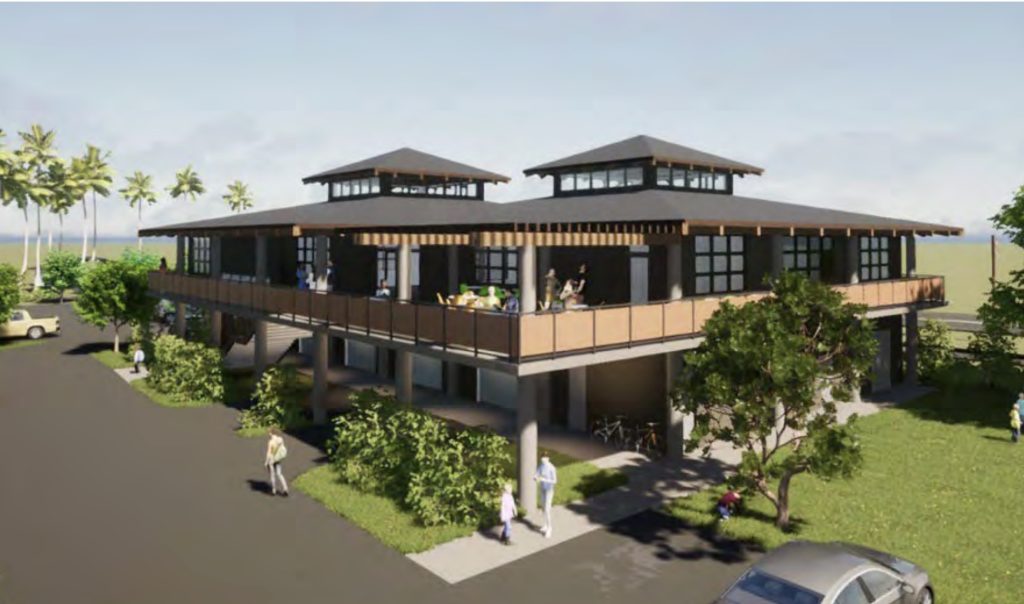
The new building will include 8,272 of interior space and 2,944 of covered outdoor areas, and landscaped parking area adjacent to the Hāna Highway and on land leased from Maui County. The ground floor of the building includes garage space, an elevator for disabled access and storage areas. The main floor will contain offices, restroom, activity spaces, a lounge, art room, broadcast room, kitchen, loft space and the large lanai.
The project will need a special management area permit from the Maui Planning Commission.
Construction is expected to begin in 2027, and anticipated opening of the new center building in 2028-2029.
After the new building is completed and programs are moved, the old structure would be demolished, and the area restored to a more natural dune and shoreline condition.
Expanded youth and family services
The center serves hundreds of young people each year through programs including Radio KOPO-LP, Hekili Multimedia Lab, outdoor and ocean activities, the Pāʻia Bay Café, skate park programming, leadership development and other life-skills initiatives. Leaders say the larger mauka facility will create room to grow these programs and add new ones as demand increases.
Earlier this year, the center and Imua Family Services launched a partnership to expand on-site services such as family support, mental health and wellness counseling, case management and teen peer support groups. The organizations have said the collaboration is intended to provide more holistic support for youth and families on Maui’s north shore and beyond.
Community input invited
The draft environmental assessment invites feedback from nearby residents, youth center participants and other stakeholders. Community members can review the assessment via the Environmental Review Program’s online library and submit written comments during the designated comment period.
Center leaders have previously noted that the building concept reflects years of community meetings and design work with architects to balance program needs, environmental considerations and the character of Pāʻia town.
Sponsored Content