

Gov. Green highlights Maui wildfire recovery in annual State of State Address
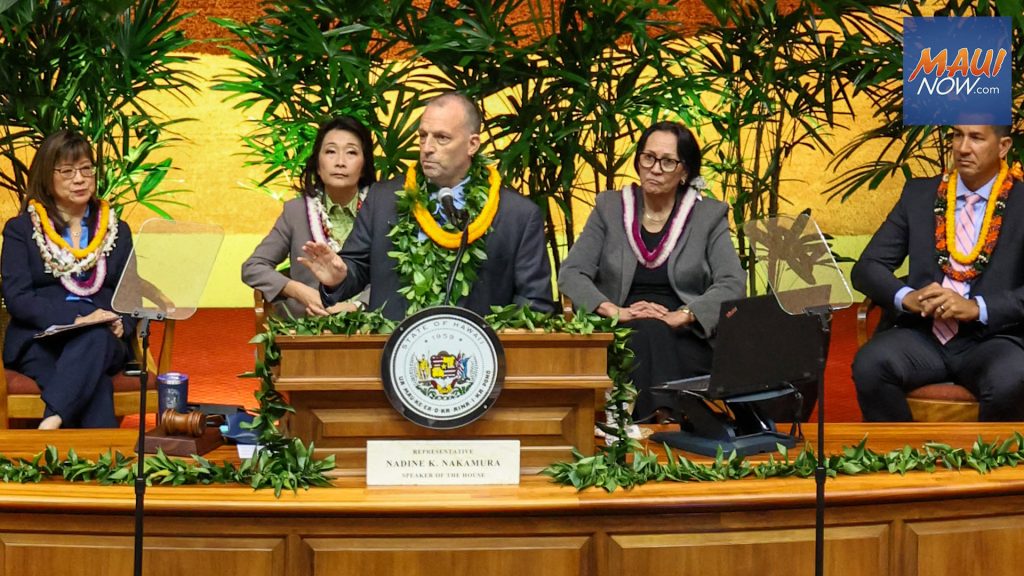
Gov. Josh Green pledged to extend rent support for Maui wildfire survivors through February 2027 and proposed halting future state tax cuts to preserve social services during his State of the State address, Monday in the House Chambers at the State Capitol.
Speaking to a joint session of the Hawaiʻi State Legislature, Green focused heavily at the end of his speech on the ongoing Maui recovery from the August 2023 wildfires. He confirmed that both the state and federal government have agreed to extend housing assistance timelines, addressing a primary anxiety for thousands of displaced residents.
“Today, I’m announcing we will support the rent for those in transitional housing into 2027 to give them a little more time to rebuild their lives,” Green said.
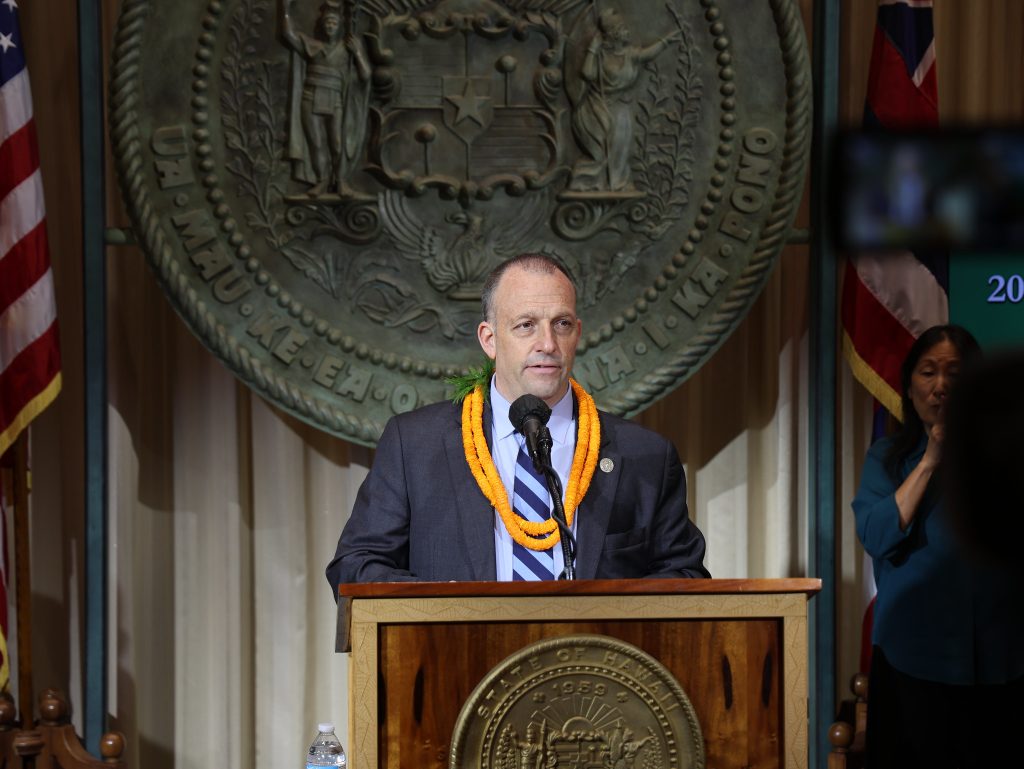
While the governor emphasized that the state remains resilient, he announced a shift in fiscal policy: a proposal to pause tax cuts previously planned for 2027 through 2029 to preserve funding for social services.
“And just last Friday, we were so honored that we convinced — all of us — convinced the federal government to also extend their housing plan to match ours into 2027, so the people of Lahaina will not have to panic about where they live,” Green said. “I’m grateful for the collaboration.”
The governor noted the teamwork with the state, Maui County and private sector that created the Maui Interim Housing Plan: a $500 million effort to create a pool of more than 3,000 housing units while building more than 1,200 temporary units and providing direct rental assistance to more than 5,600 displaced people.
Short-term rentals
Touching on Maui’s hot-button issue of short-term vacation rentals, Green addressed the state’s broader housing shortage. He reiterated his administration’s support for county efforts to convert short-term rentals into long-term housing for residents.
On Dec. 15, Mayor Richard Bissen signed Bill 9 – the phase-out of short-term rentals in apartment-zoned districts. That measure has already been challenged in 2nd Circuit Court, based on a claim of unconstitutional taking of private property without compensation.
In his address, Green said that “in the coming years, we will support the counties and the mayors… as they bring more short-term rentals back into the housing market so that more homes go to local families, not absentee, wealthy investors,” Green said.
The governor set a goal to deliver at least 10,000 new homes through this conversion process.
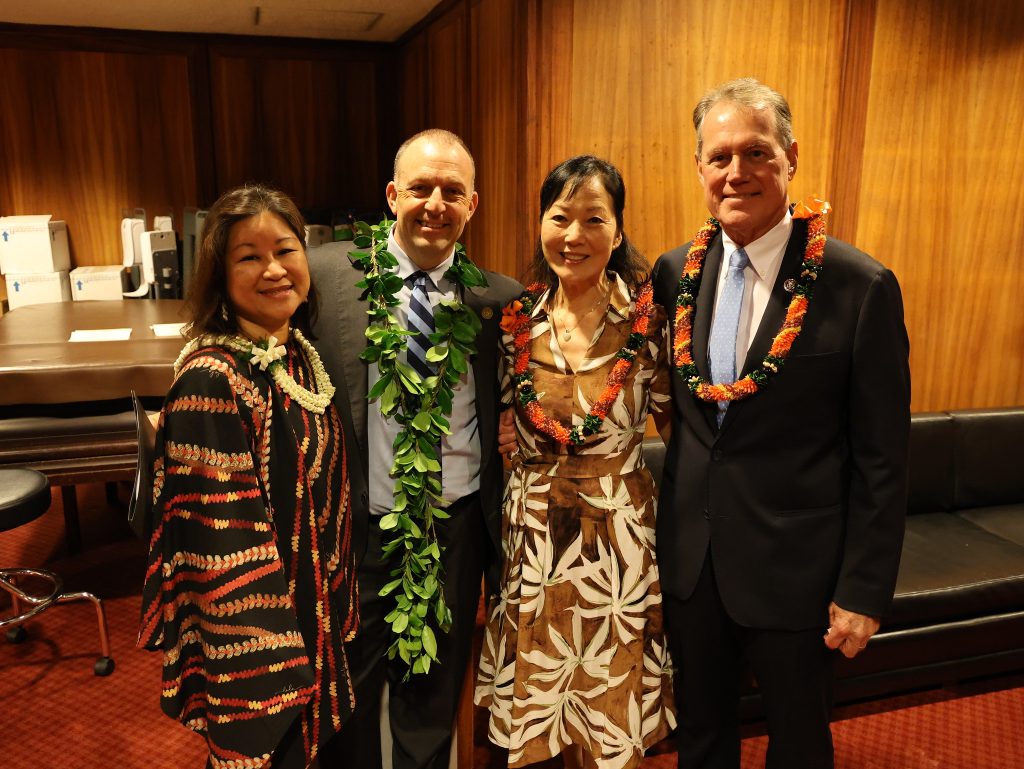
 Gov. Josh Green delivered his State of the State Address on Monday morning at the State Capitol. He is pictured here with his wife and Congressman Ed Case. PC: Office of the Governor.
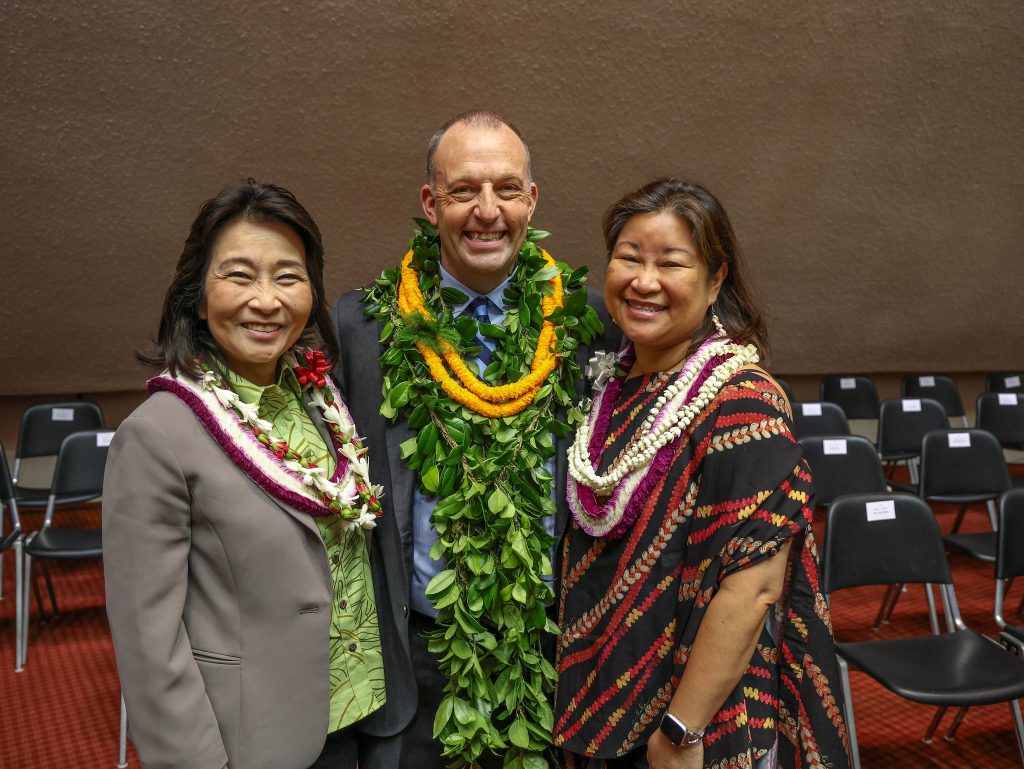
- Gov. Josh Green delivered his State of the State Address on Monday morning at the State Capitol. He is pictured here with his wife and Lt. Gov. Sylvia Luke. PC: Office of the Governor.
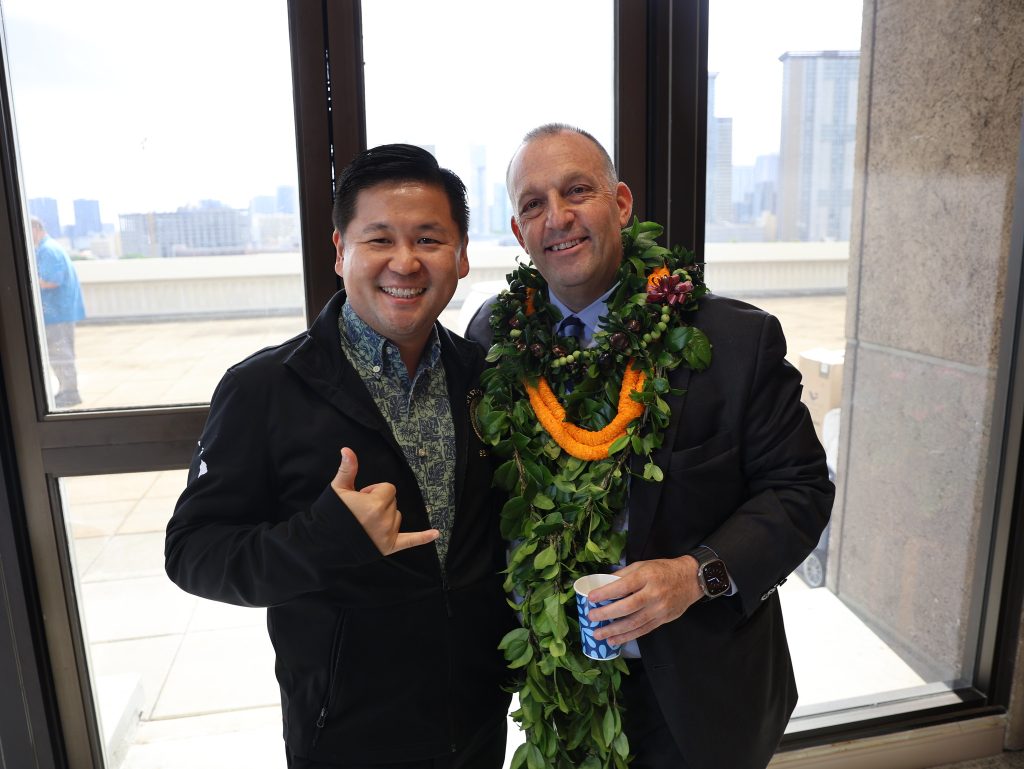
- Gov. Josh Green delivered his State of the State Address on Monday morning at the State Capitol. He is pictured here with State Senator Troy Hashimoto of Maui. PC: Office of the Governor.
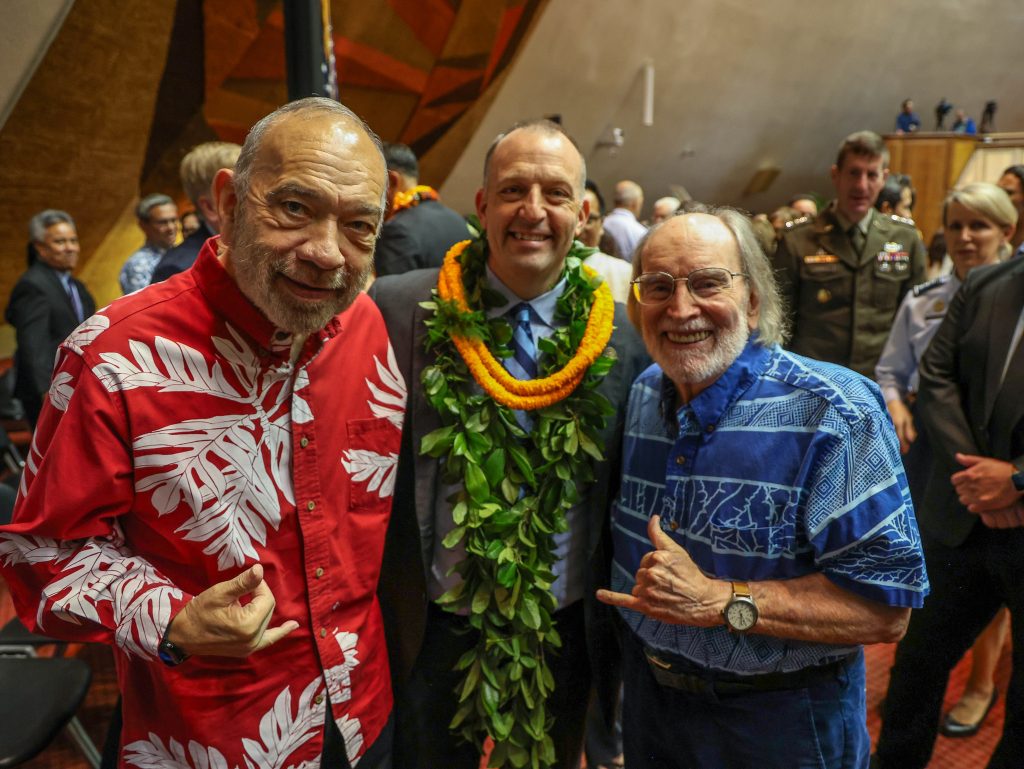
- Gov. Josh Green delivered his State of the State Address on Monday morning at the State Capitol. He is pictured here with former Governor (1986-1994) John David Waiheʻe III (left) and former Governor (2010-2014) Neil Abercrombie (right). PC: Office of the Governor.
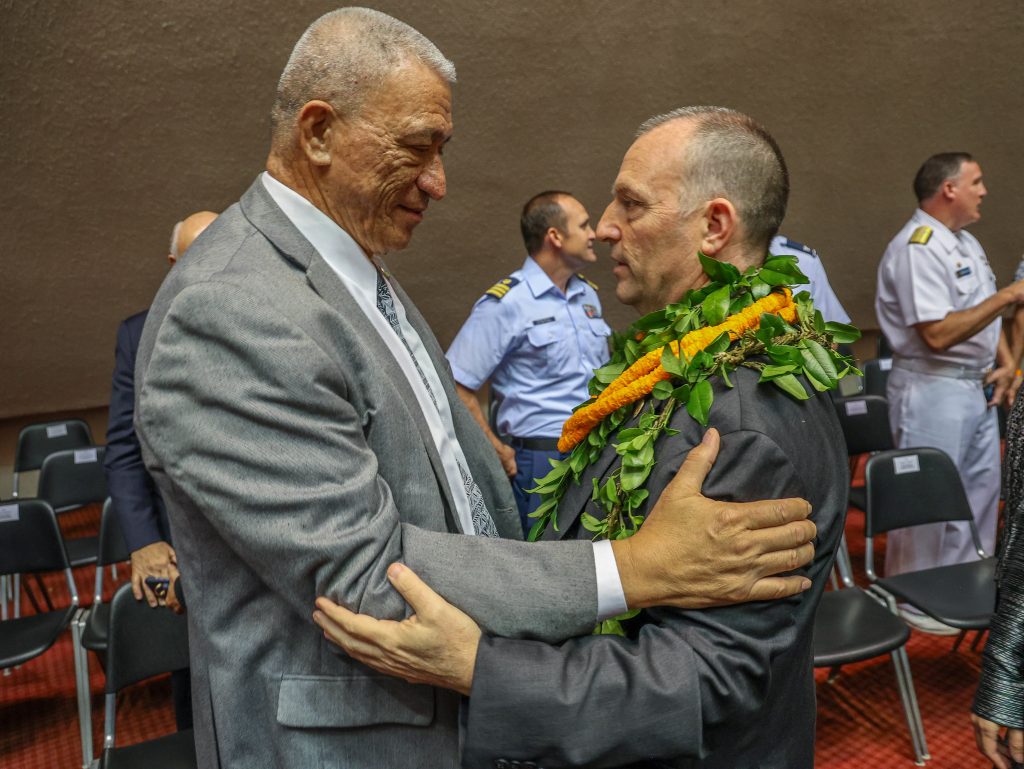
- Gov. Josh Green delivered his State of the State Address on Monday morning at the State Capitol. He is pictured here with Maui Mayor Richard Bissen. PC: Office of the Governor.
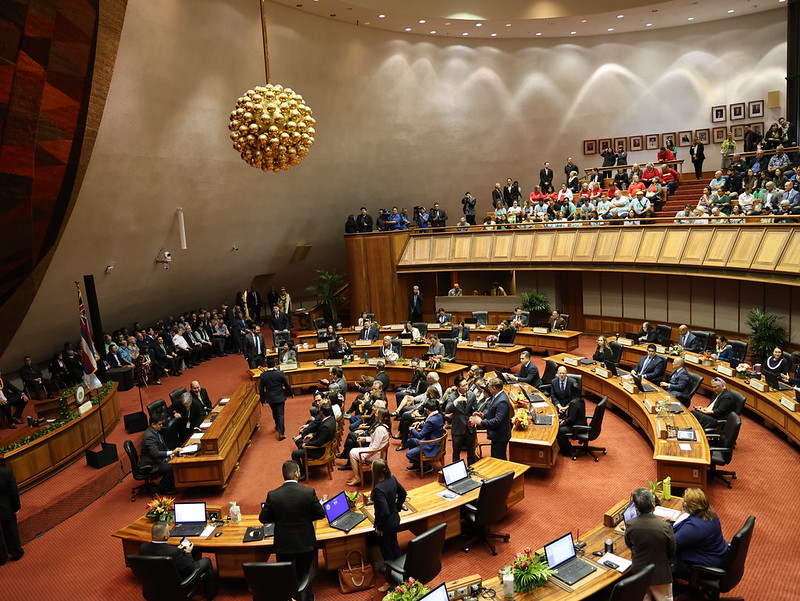
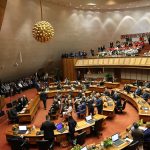
- Lawmakers, distinguished visitors and members of the public gather in the House Chambers for Gov. Josh Green’s State of the State Address on Monday morning at the State Capitol. PC: Office of the Governor.
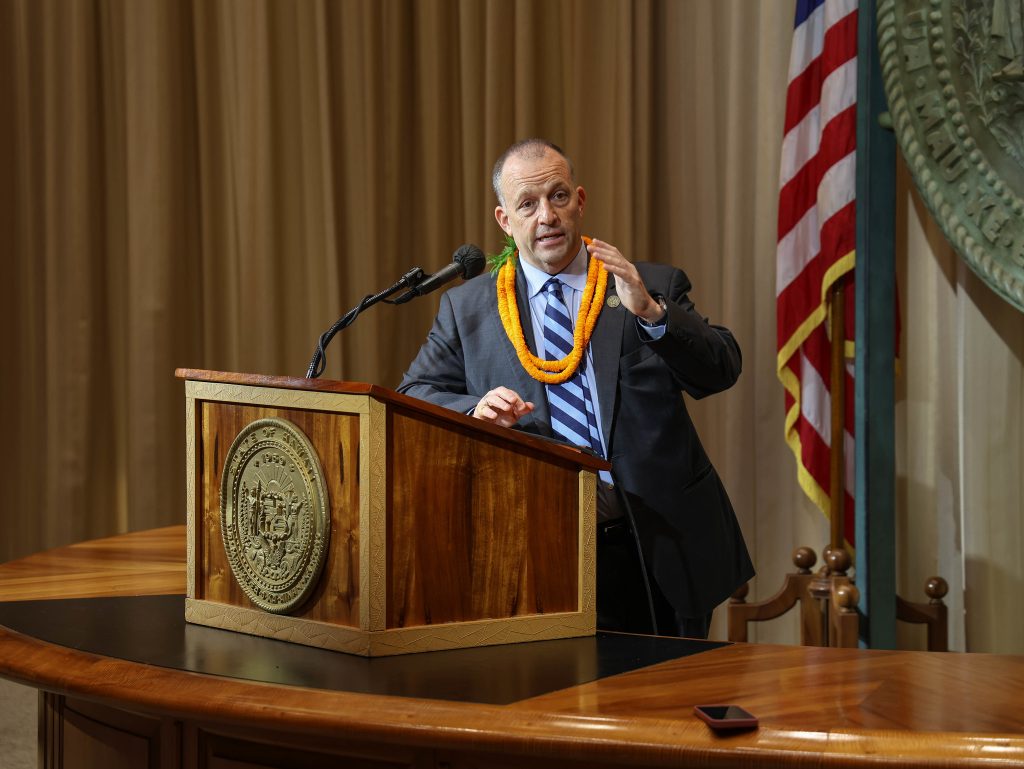
- Gov. Josh Green answered questions from the media after delivering his State of the State Address this morning at the State Capitol in Honolulu. PC: Office of the Governor.
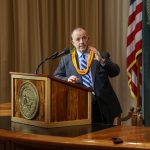
- Gov. Josh Green delivers his State of the State Address this morning at the State Capitol in Honolulu. PC: Office of the Governor.




Budget shortfall and tax strategy
The governor delivered a financial update for the state, citing “severe cuts” by the federal government in 2025 that he said removed over $2 billion from the state’s economy. To manage the resulting budget shortfall without slashing services, Green proposed a “pause” on tax cuts that were previously scheduled for 2027 through 2029.
“This proposal will bring back $1.8 billion for critical services, $600 million of that $1.8 billion I will propose we use for food security and childcare needs for those who need it the most,” Green said.
He emphasized that tax reductions slated for 2026 remain intact.
“First, [I am proposing that] there be no changes to our tax cuts in 2026. These and all previous tax cuts will be completely preserved,” Green said.
Despite the budget challenges, Green described the state’s economy as growing, forecasting that the state GDP in 2025 will be 5% higher than pre-pandemic levels in 2019.
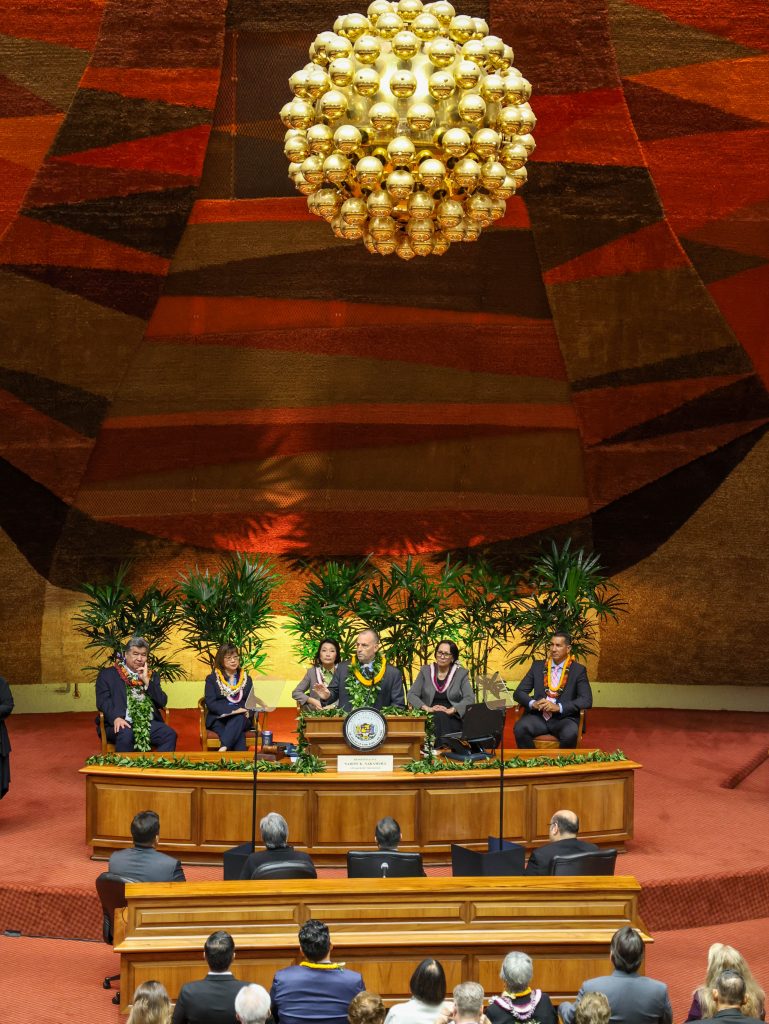
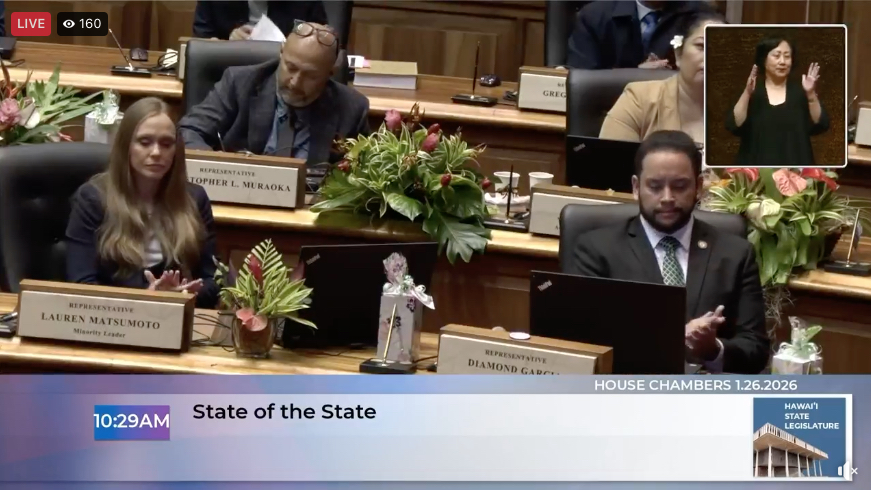
- Gov. Josh Green addresses a joint session of the House and Senate in the House Chambers. PC: YouTube / ʻŌlelo Community Media
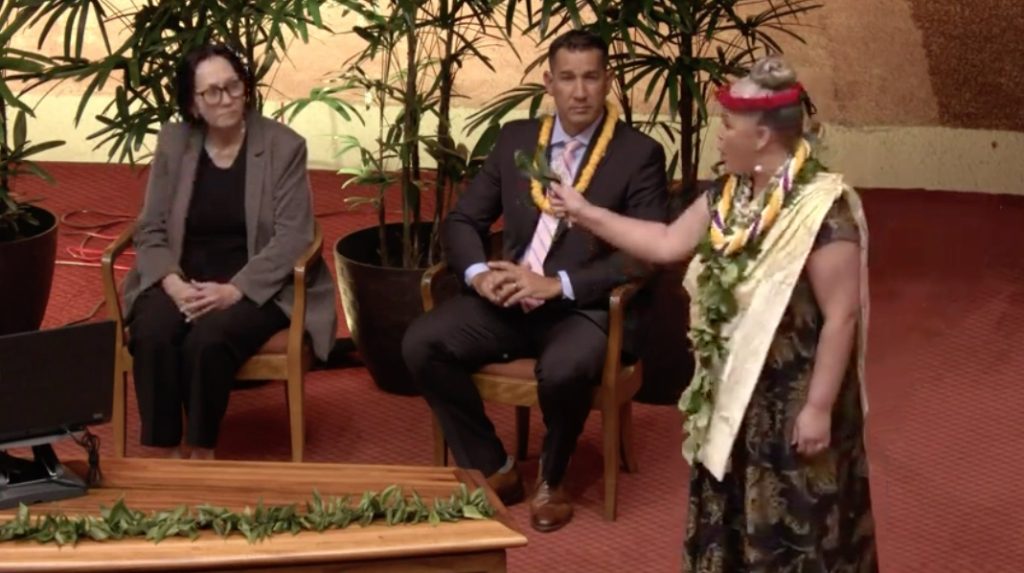
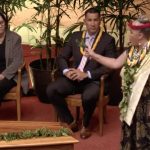
- The State of the State Address featured a traditional oli at the beginning of proceedings. PC: YouTube / ʻŌlelo Community Media
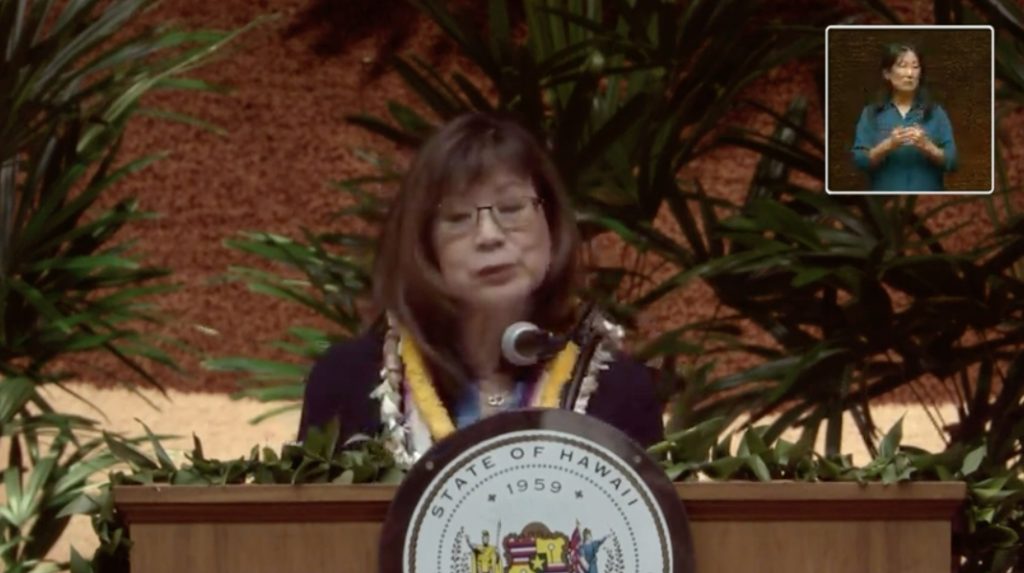
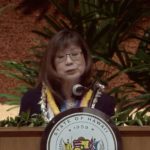
- House Speaker Nadine Nakamura. PC: YouTube / ʻŌlelo Community Media
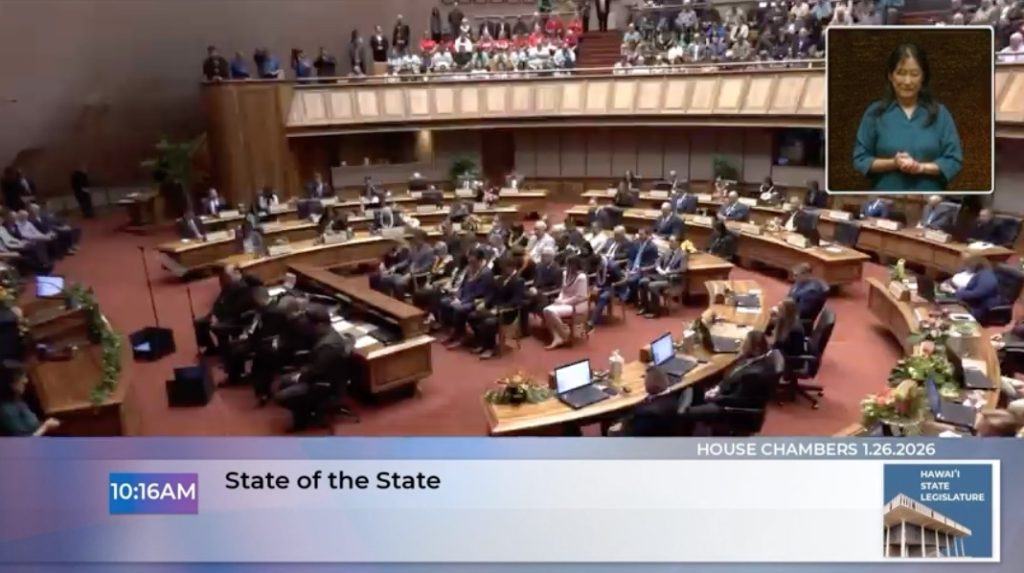
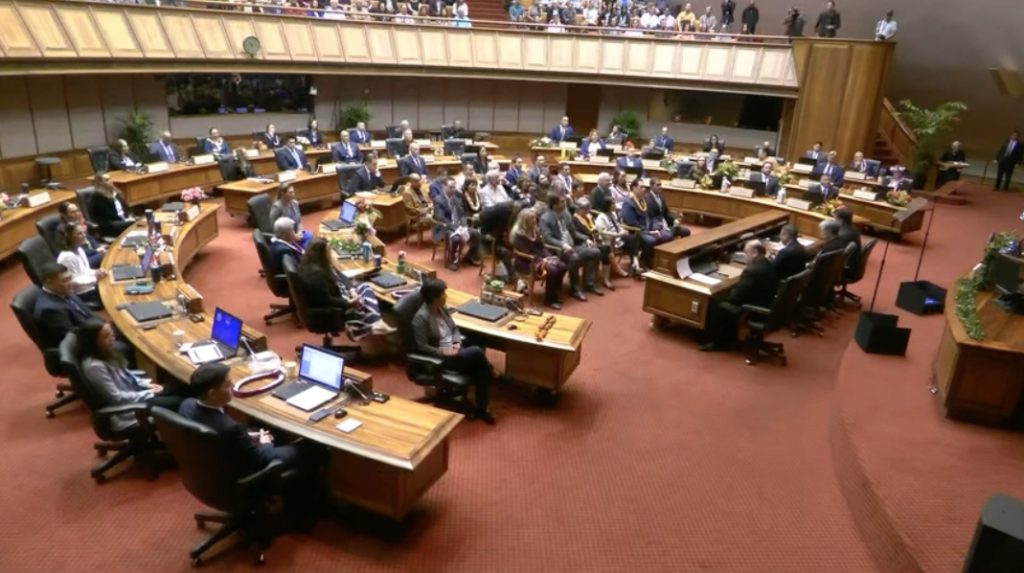
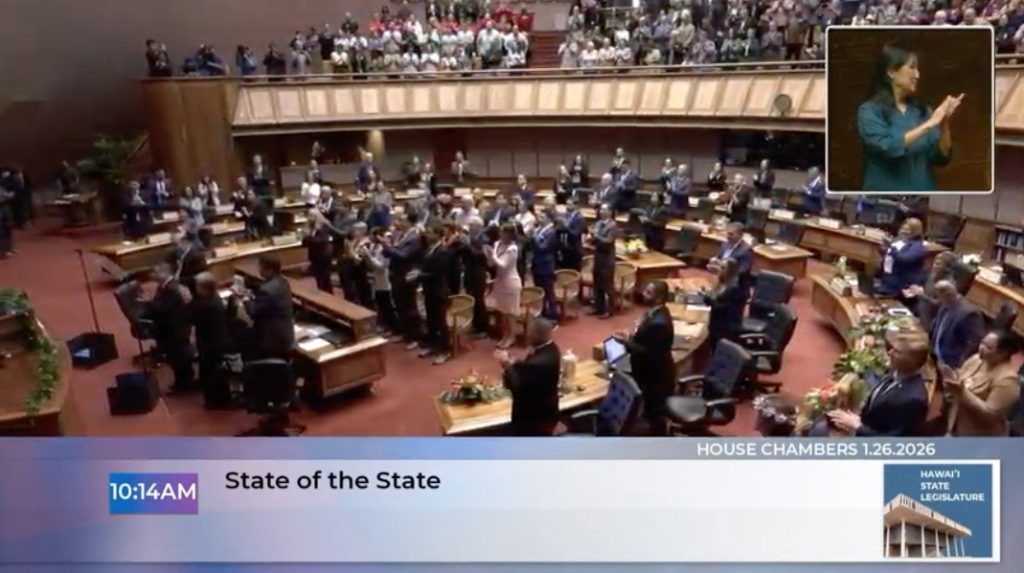
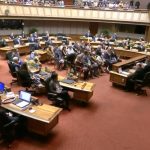
- Lawmakers, distinguished visitors and members of the public gather in the House Chambers for Gov. Josh Green’s State of the State Address on Monday morning at the State Capitol. PC: YouTube / ʻŌlelo Community Media
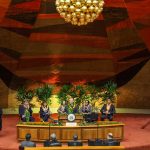
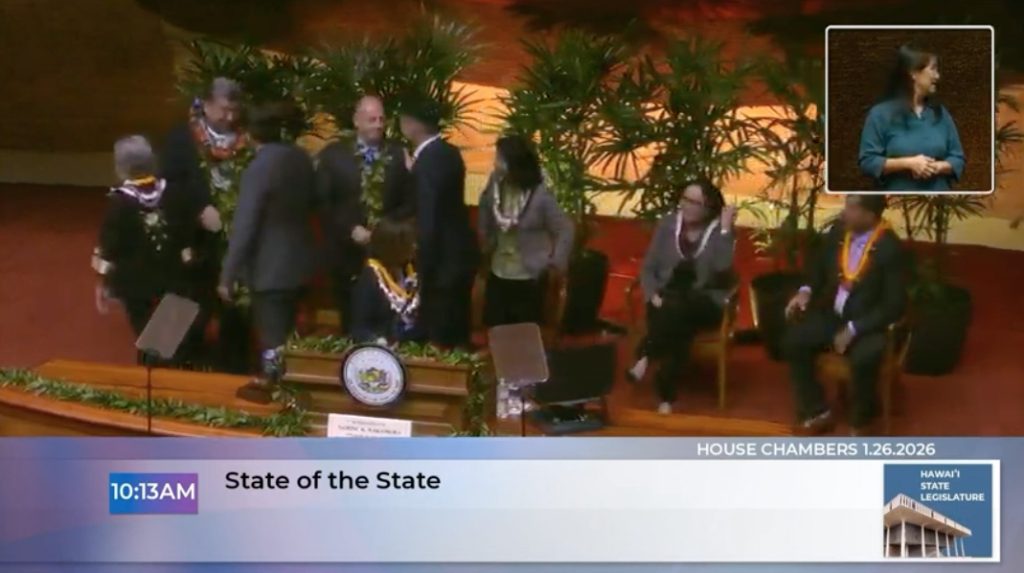
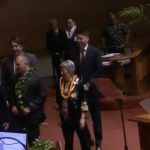
- Gov. Josh Green is escorted to the Rostrum Monday morning before delivering his State of the State Address. PC: YouTube / ʻŌlelo Community Media
- Lawmakers listen to the governor’s State of the State Address in the House Chambers at the State Capitol. PC: YouTube / ʻŌlelo Community Media
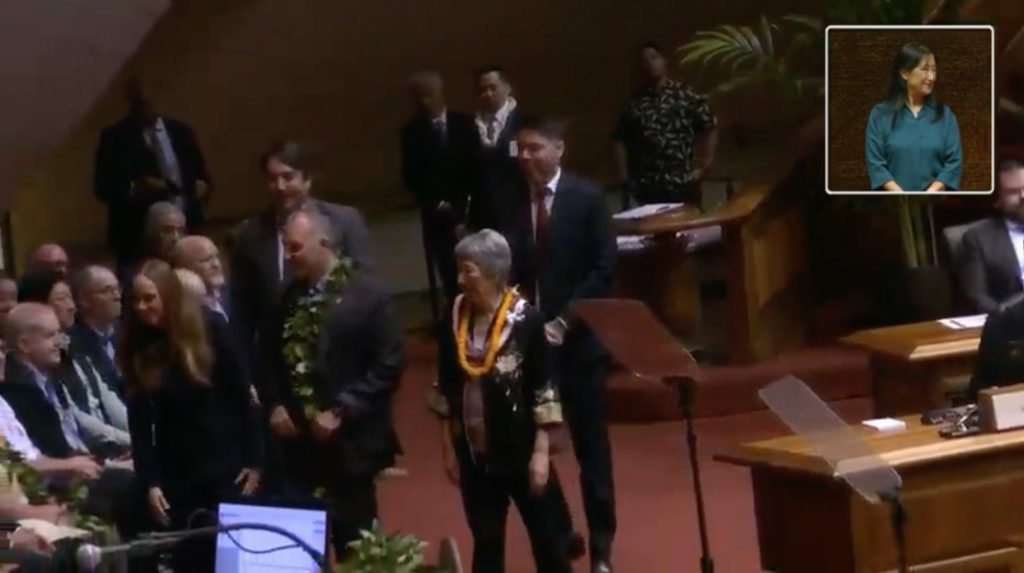
- Gov. Josh Green receives congratulations after his State of the State Address. PC: YouTube / ʻŌlelo Community Media
- Gov. Josh Green receives a standing ovation at the end of his State of the State Address this morning. PC: YouTube / ʻŌlelo Community Media
Environment and Green Fee
The governor also highlighted the implementation of a “Green Fee,” an increase in the transient accommodations tax by 0.75%, which he noted went into effect recently.
“By increasing the TAT tax by 0.75%, which just started three weeks ago, we will generate over $100 million dollars annually to invest in climate action, conservation, and resilience,” the governor said.
Healthcare funding
On healthcare, Green discussed the Healthcare Education Loan Repayment Program, known as HELP, and announced successful efforts to secure federal funding for rural health.
“And I’m also proud to announce that just a few weeks ago, three weeks ago, we successfully fought for and won nearly $190 million in federal funds for Fiscal Year 27 as a part of the Rural Health Transformation Program,” Green said.
Green concluded his address by sharing the story of Zoe, a Lahaina survivor who returned to Maui to live at the Ka Laʻi Ola temporary housing community, using her experience as a symbol of the state’s path forward.
“That is what recovery looks like. Coming home, healing, building community again,” Green said.
More speech details
The Office of the Governor offered other highlights of Green’s speech, including:
- Expanded tax relief for working families, including doubling the Earned Income Tax Credit and Food Tax Credit to save families $88 million per year in taxes.
- Increased support for food security through expanded Supplemental Nutritional Assistance Program (formerly food stamps) matching and regional food hub investments.
- In partnership with the US Department of Agriculture, the Green administration launched Sun Bucks to provide summer food benefits to eligible children statewide to ensure keiki don’t go hungry at school.
- Strengthened child care support to help families keep more of what they earn.
- Expanded regional kitchens and food hubs to strengthen food security, improving emergency preparedness.
- More than 62,000 housing units in the statewide pipeline, including 46,000 affordable units.
- More than 20,000 units planned on state lands; expanding workforce housing statewide.
- Homestead leasing on Hawaiian Home Lands with over 2,500 leases granted in 2025 — the most awarded in a single year in DHHL’s 100 year history.
- Continued transformation of public housing and leasehold programs to expand long-term affordability.
- Twenty-five kauhale tiny home villages have been opened, with 30 villages expected by the year’s end.
- Nearly 1,000 new beds in supportive housing communities.
- Healthcare costs for formerly homeless individuals have dropped following permanent housing placement.
- Continued $50 million annual investment in housing first solutions (kauhale), outreach and civil legal services.
- Integration of mental health care and addiction treatment into homeless strategy for improved outcomes in breaking the cycle.
- Goal to cut chronic homelessness in half this year and again over the next four years.
- Hawaiʻi personal income is forecast to be 11% higher and increased visitor spending.
- Expansion of film and TV tax credits to boost local hiring and keep creative industries in Hawaiʻi alive.
- Diversified growth with investments in career pathways like healthcare, conservation, construction and education.
- Workforce pipelines strengthened with public-private partnerships in healthcare, energy and education sectors.
- Re-established State Fire Marshal and upgraded emergency alert systems.
- Deployment of wildfire and extreme weather sensors statewide.
- Implementation of the nation’s first Green Fee to generate $100M+ annually for climate resilience and environmental protection.
- Formed an environmental advisory council to help guide a comprehensive strategy for resilience and climate mitigation.
- Nearly 500 community-driven proposals submitted to guide environmental investments.
- Directed more resources to Medicaid rate increases, improving care for almost 400,000 of the most vulnerable people in our state.
- Budget includes $16.5 million to cover the cost of preserving enhanced federal refundable tax credits for Hawaiʻi families.
- Five-year, nearly $1 billion effort underway to stabilize and grow healthcare capacity across the islands.
The full text of the governor’s State of the State Address is available by clicking here.
Sponsored Content